
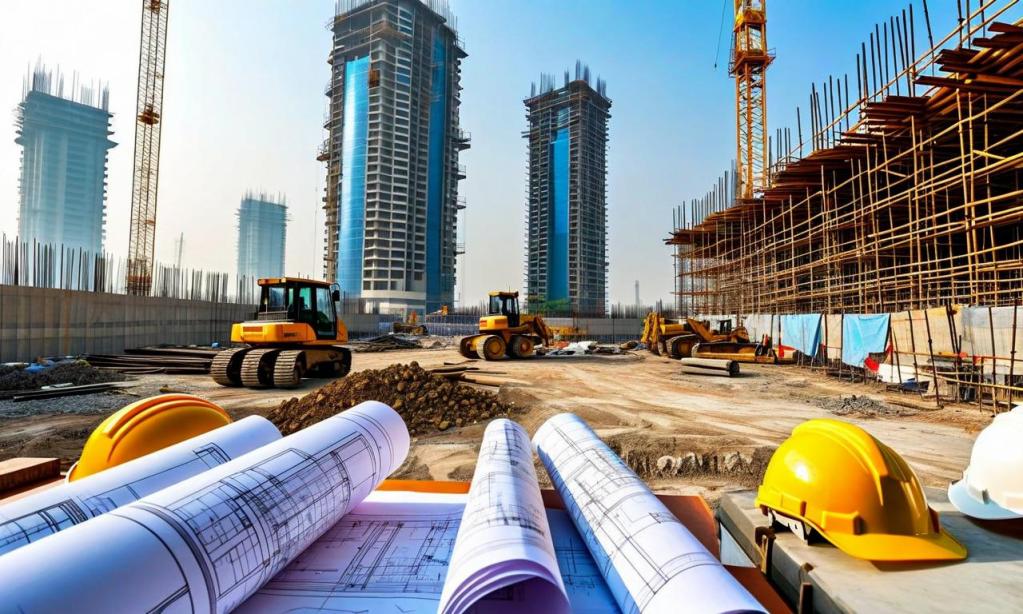
Dubai’s construction sector recorded robust momentum in the first quarter of 2026, with more than 10,700 building permits issued, highlighting sustained development activity and strong investor confidence in the emirate’s real estate landscape.
According to Dubai Municipality, a total of 10,776 building permits were issued during Q1 2026, marking a 12% increase compared to the same period in 2025. The growth underscores continued expansion across residential, commercial, and service-related developments driven by steady demand and ongoing project launches.
The total permitted built-up area reached nearly 3.9 million square metres, representing a significant 48% year-on-year increase, signalling accelerated urban growth and infrastructure progress across key districts in Dubai.
Additional construction performance indicators further highlighted sector efficiency:
- 824,381 cubic metres of concrete supplied to active construction sites
- 10,855 structural inspections conducted to ensure compliance and safety standards
- 3,154 building completion certificates issued, reflecting faster project handovers and improved delivery timelines
Authorities attributed the rise in permit issuance to enhanced digital licensing platforms and streamlined regulatory procedures that reduced processing times and improved customer experience for developers and contractors.
The sector’s performance aligns with Dubai’s long-term strategic development frameworks, including the Dubai Economic Agenda D33 and the Dubai 2040 Urban Master Plan, both aimed at strengthening sustainable growth, infrastructure readiness, and economic diversification.
Officials emphasized that continued progress in smart regulatory systems, sustainability initiatives, and coordinated supply chain management is supporting faster project execution and reinforcing Dubai’s position as a leading global real estate and construction hub.
Looking ahead, Dubai authorities remain focused on advancing technology-driven construction frameworks and enhancing regulatory efficiency to support future population growth, large-scale infrastructure expansion, and long-term urban development goals. 🌆