
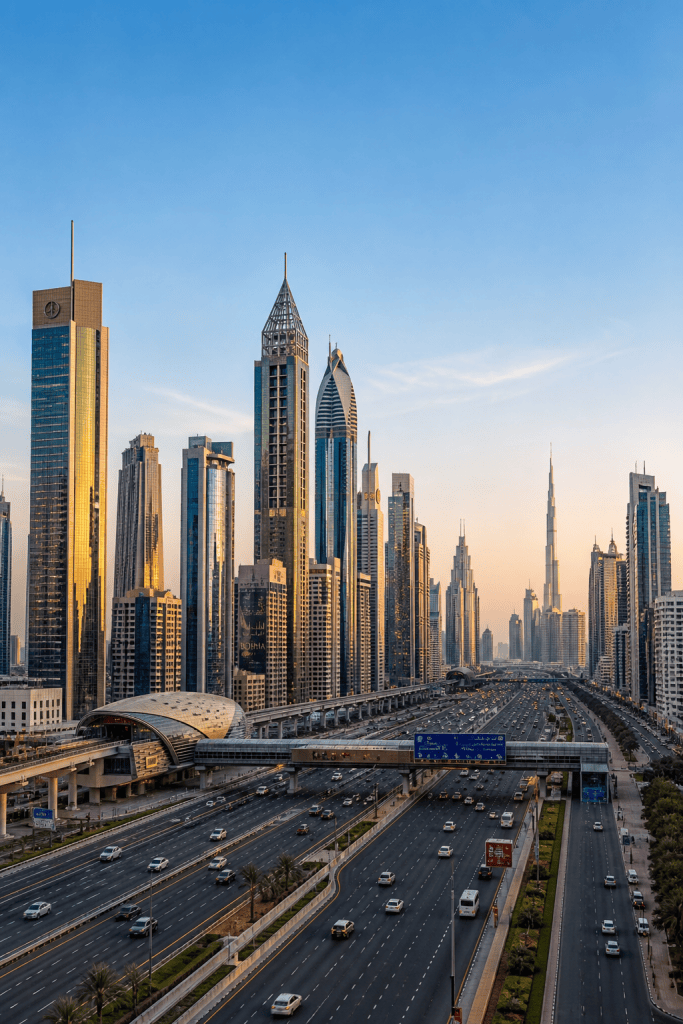
Dubai Municipality has introduced stringent new regulations concerning shared housing, specifically prohibiting bachelor accommodation in designated tourist and commercial areas. The directives, outlined in a recent circular, aim to enhance the living environment and uphold specific standards within these prominent districts across Dubai, with a compliance deadline set for 2027.
The updated framework explicitly bans individual shared accommodations on major tourist streets, underscoring Dubai’s commitment to maintaining the aesthetic and operational integrity of its key visitor and business hubs. These measures are designed to ensure that residential spaces within these areas align with the city’s broader urban planning and quality-of-life objectives.
Key provisions within the new regulations include detailed occupancy and planning requirements. Property owners and tenants must adhere to minimum area allocations per occupant for bedrooms, ensuring adequate living space. Furthermore, the guidelines specify provisions for shared kitchens and bathrooms, alongside particular ratios for health facilities, ensuring that shared accommodations meet essential hygiene and safety standards.
Alongside these operational requirements, the circular details administrative fees and procedures for modification requests, integrating these new rules with existing building planning systems. This structured approach aims to provide clarity for all stakeholders involved in the real estate sector, from developers and landlords to tenants.
The enforcement of these new regulations follows previous findings by Dubai Municipality, which uncovered thousands of violations related to unauthorised construction and illegal occupancy. The forthcoming licensing details and additional requirements related to Dubai’s shared housing law are anticipated to further refine the regulatory landscape, providing a comprehensive framework for sustainable urban development. This proactive stance reflects Dubai’s ongoing efforts to ensure orderly urban growth and high living standards across its diverse communities, particularly in areas central to its tourism and commercial success.