
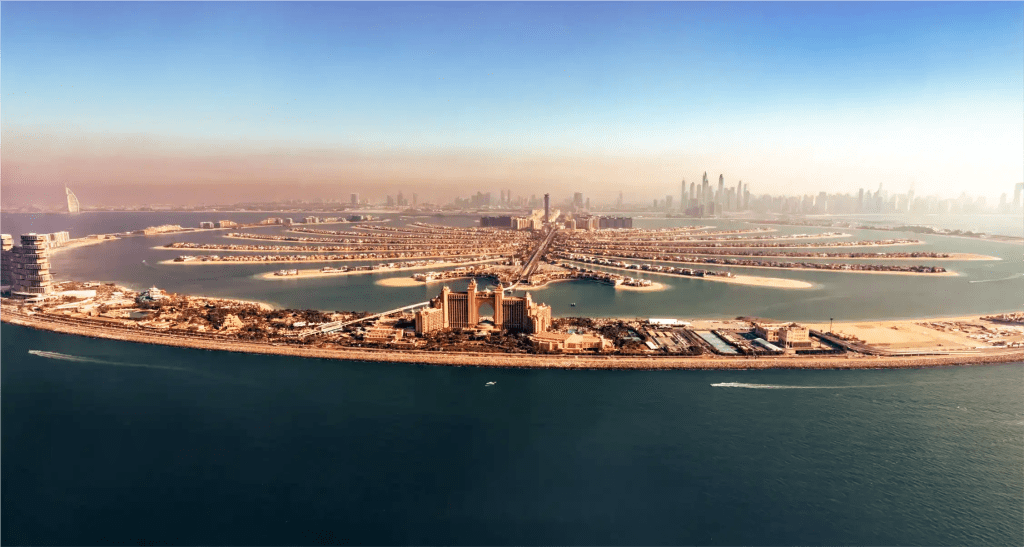
The residential property market in Dubai continues to demonstrate remarkable stability, with nearly 85% of landlords choosing to hold onto their assets despite rising geopolitical tensions across the Middle East. This trend reinforces confidence that the emirate’s real estate sector remains fundamentally strong and driven by long-term value rather than short-term sentiment.
According to a recent report by proptech firm Smart Bricks, most landlords have maintained their investment positions following regional developments that began in late February. The findings highlight sustained investor confidence even as global markets react cautiously to oil price fluctuations and geopolitical risks.
Listing activity across major property portals supports this outlook. Residential listings increased only marginally—from 105,300 units on February 20 to 110,800 units by March 16, reflecting just over a 5% rise. Analysts note that sharp increases in listings typically indicate panic-driven selling, which has not occurred in this case—suggesting investors are taking a long-term view of Dubai’s property fundamentals.
A survey conducted among more than 600 Dubai-based landlords further confirmed this stability. While around 10% of respondents indicated they may reassess their strategies if conditions worsen, only a small portion expressed willingness to sell below earlier expectations. Overall, the market continues to absorb uncertainty without signs of retreat.
Transaction activity also remained strong. Between February 28 and March 16, Dubai recorded 6,048 residential property transactions valued at Dh20.2 billion, with approximately 63% occurring in the off-plan segment. Meanwhile, the ready-property market saw steady demand primarily from end-users and rental-yield-focused investors, rather than speculative buyers.
Industry experts believe this shift signals a maturing investment cycle, with capital flowing toward properties backed by strong fundamentals such as prime locations, reputable developers, and flexible payment plans. Global consultancies including CBRE and Knight Frank continue to highlight sustained population growth, attractive rental yields, and diversified international demand as key drivers supporting the sector.
Confidence is further strengthened by the UAE’s strong macroeconomic position. Agencies such as S&P Global Ratings and Fitch have repeatedly emphasized the country’s fiscal stability and policy flexibility, reinforcing Dubai’s reputation as a safe-haven investment destination during uncertain times.
Historically, geopolitical disruptions have impacted transaction timelines more than property prices—particularly in oversupplied areas. However, prime and strategically located developments have consistently demonstrated resilience.
Importantly, the absence of distress selling signals that investors increasingly view Dubai real estate as a long-term store of value. Continued government policy stability during past crises—including the pandemic—has also strengthened expectations that any short-term volatility will remain manageable.
Overall, market indicators suggest Dubai’s property sector is not slowing down but becoming more selective, mature, and fundamentally resilient, maintaining momentum even amid global uncertainty. 📈