
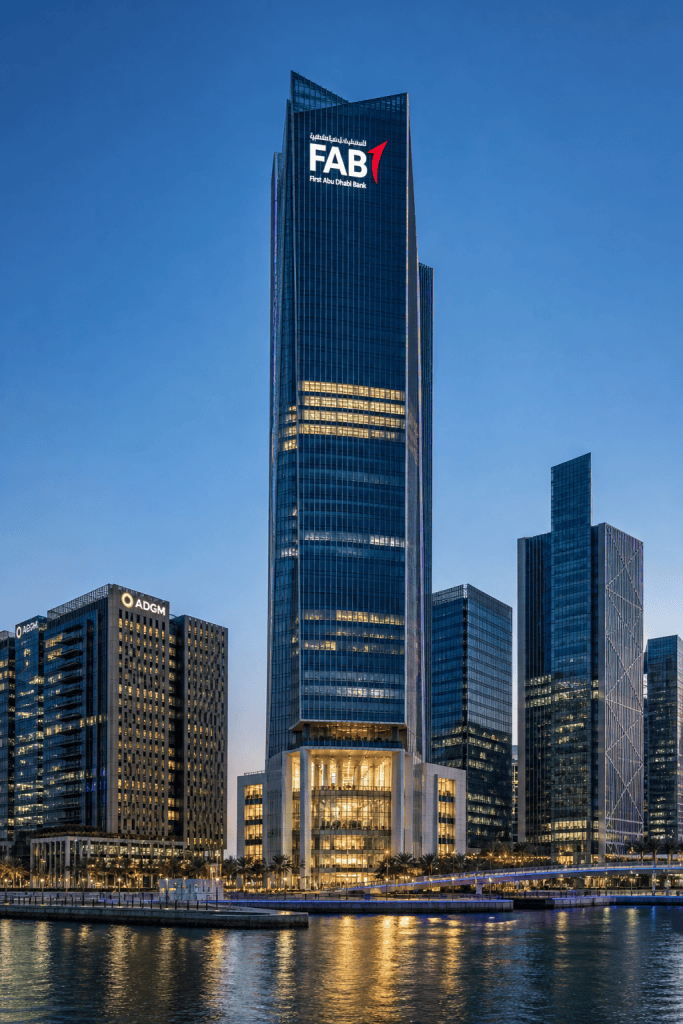
Abu Dhabi’s robust real estate market, a cornerstone of the emirate’s diversified economy, remains closely attuned to broader regional and global economic dynamics. The sustained appeal of Abu Dhabi as a prime investment destination is deeply intertwined with perceptions of stability, which directly influence critical sectors such as investment, trade, aviation, and finance. These pillars, identified as significant drivers in wider geopolitical analyses, form the bedrock of confidence for property developers, investors, and residents across Abu Dhabi.
A stable geopolitical landscape fosters a climate of certainty crucial for attracting and retaining foreign direct investment into Abu Dhabi. Confidence among international financial institutions and businesses translates into increased demand for high-quality commercial office spaces, particularly within established financial districts like ADGM on Al Maryah Island. Furthermore, the influx of skilled professionals drawn by new business ventures stimulates demand for residential properties, ranging from apartments in urban hubs such as Reem Island and Al Maryah Island to villas in master-planned communities like Al Raha Beach and Masdar City. Investment in financial services directly underpins the growth of both commercial and residential segments, as businesses expand and new residents establish roots in the capital.
The vitality of Abu Dhabi’s trade and aviation sectors is paramount for its economic expansion and, by extension, its real estate sector. Uninterrupted regional trade routes ensure the smooth flow of goods and services, supporting demand for logistics and industrial properties in areas like Khalifa City and Mussafah. A thriving aviation sector, bolstered by robust air traffic and tourism, directly benefits the hospitality real estate segment, including hotels and serviced apartments across key destinations such as Yas Island and Saadiyat Island. Any disruptions to these crucial links could ripple through the economy, potentially affecting occupancy rates and investment appetites within the relevant property sub-sectors.
While regional energy exports are a significant component of the broader economic picture, Abu Dhabi’s strategic diversification initiatives reduce direct exposure to commodity price volatility. Nevertheless, a stable energy market contributes to the overall fiscal health of the emirate, providing a strong foundation for continued government investment in large-scale infrastructure projects and master-planned communities. Ongoing enhancements to connectivity, public services, and urban planning across Abu Dhabi, including developments on Hudayriyat Island and Jubail Island, are financed in part by sustainable economic growth. These strategic investments enhance the long-term desirability and liveability of Abu Dhabi, making its property market more attractive to both local and international buyers seeking enduring value.
Ultimately, Abu Dhabi’s steadfast commitment to fostering a progressive and secure environment positions its real estate market favorably amidst evolving global scenarios. The capacity to attract substantial investment, facilitate robust trade, maintain strong aviation links, and sustain a thriving financial sector underscores the resilience and enduring appeal of the capital’s property landscape. A continued focus on regional stability ensures these economic drivers can operate optimally, securing a positive trajectory for Abu Dhabi’s real estate sector well into the future.