
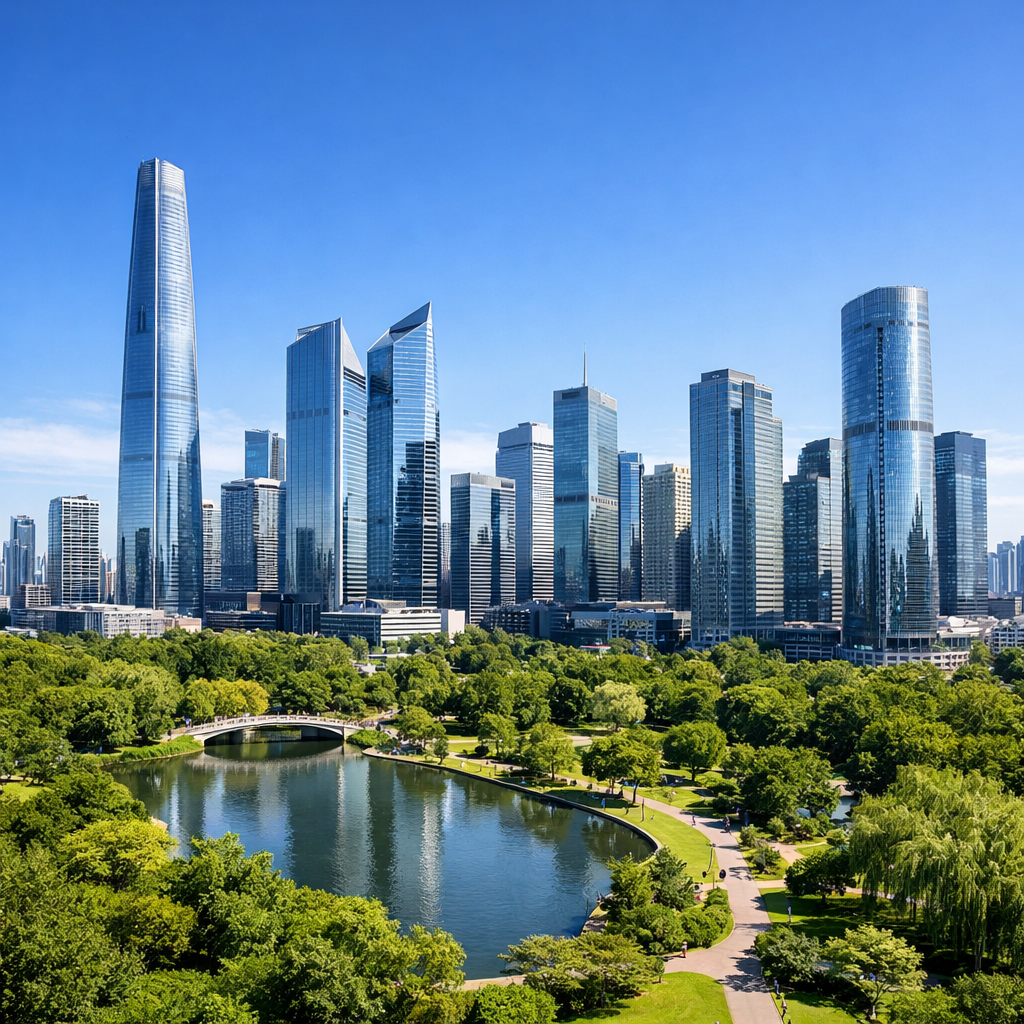
In a major move to stabilize its struggling property sector, China’s central bank has announced a 300 billion yuan ($41.5 billion) lending facility designed to help local state-owned enterprises purchase unsold apartment inventory. This initiative aims to convert empty housing into affordable residential units, addressing a significant supply-glut that has weighed on the global second-largest economy for several years. Alongside the funding, the People’s Bank of China has also scrapped the national floor for mortgage rates and significantly lowered down-payment requirements for first-time and second-time buyers.
While this intervention highlights the challenges of managing massive oversupply in a cooling market, it serves as a sharp contrast to the proactive and balanced growth seen in the UAE. The Dubai real estate market, for instance, continues to thrive through strategic master-planning and infrastructure-led demand. Unlike markets dealing with excess inventory, the UAE has focused on high-quality delivery and investor-friendly policies that keep demand high and supply controlled. Recent initiatives like the 20-minute city vision and the expansion of the Dubai Metro Blue Line ensure that new residential projects are integrated with the city’s growth, preventing the kind of market stagnation currently seen in East Asia.
International analysts suggest that China’s aggressive policy shift could restore confidence among home seekers, but they also note that the recovery will be a long-term process. For global investors, this volatility in traditional markets often makes the UAE’s property sector look even more attractive. With its stable regulatory environment, high rental yields, and the absence of property taxes, the UAE remains a premier destination for capital looking for safety and consistent growth. As global markets recalibrate, the UAE’s resilience continues to set a global benchmark for real estate maturity and economic foresight.