
















































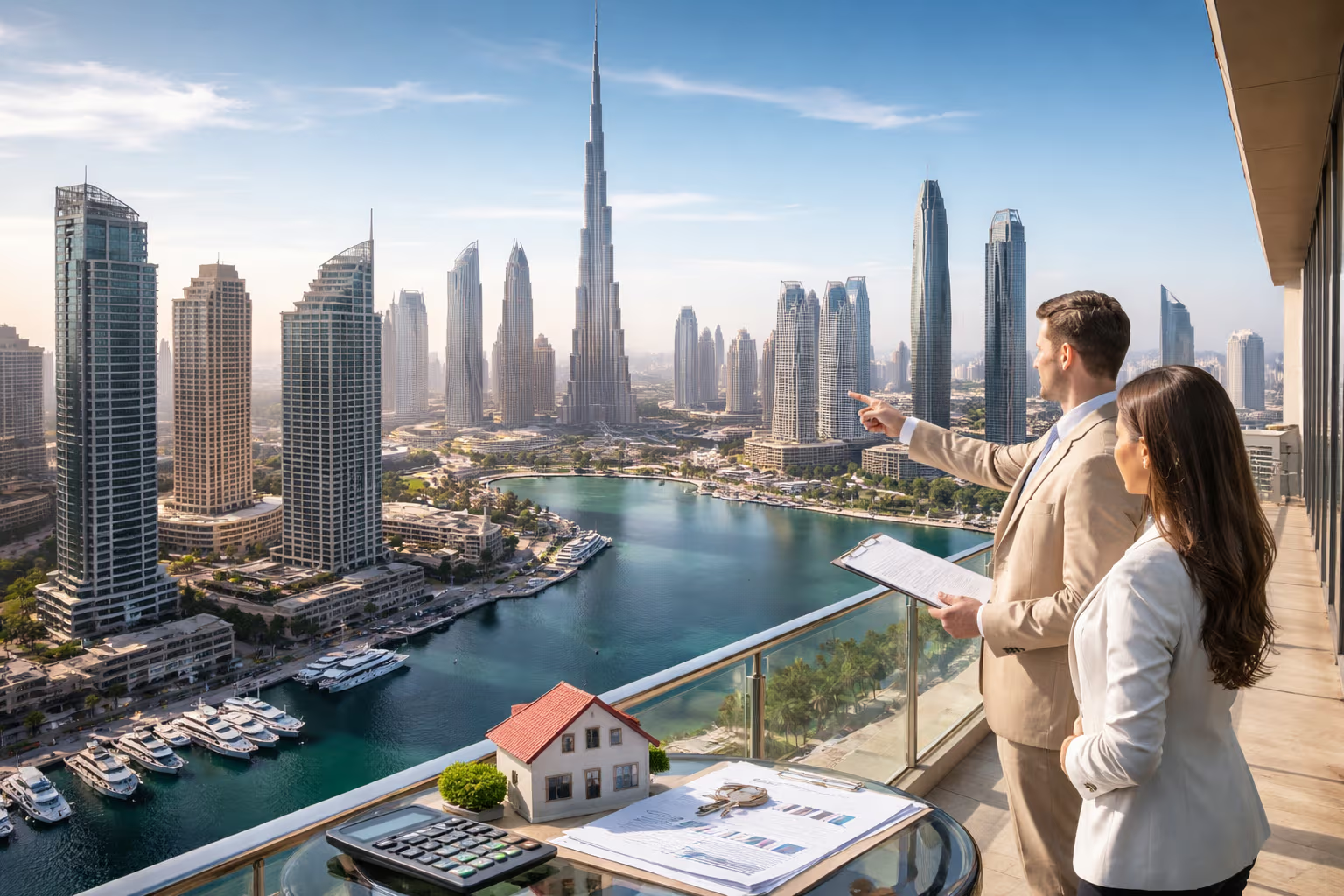
Question: I’m planning to purchase my first property in Dubai, with a budget between Dh1 million and Dh2 million for a one-bedroom apartment. With so many communities available, where should I focus — and what should I be cautious about?
Answer:
A budget of Dh1 million to Dh2 million places you in a competitive position within Dubai’s property market. However, the real differentiator isn’t just price — it’s purpose. Are you buying to live in, to generate rental income, or for long-term capital growth? Your objective should drive your choice.
Established Prime Locations
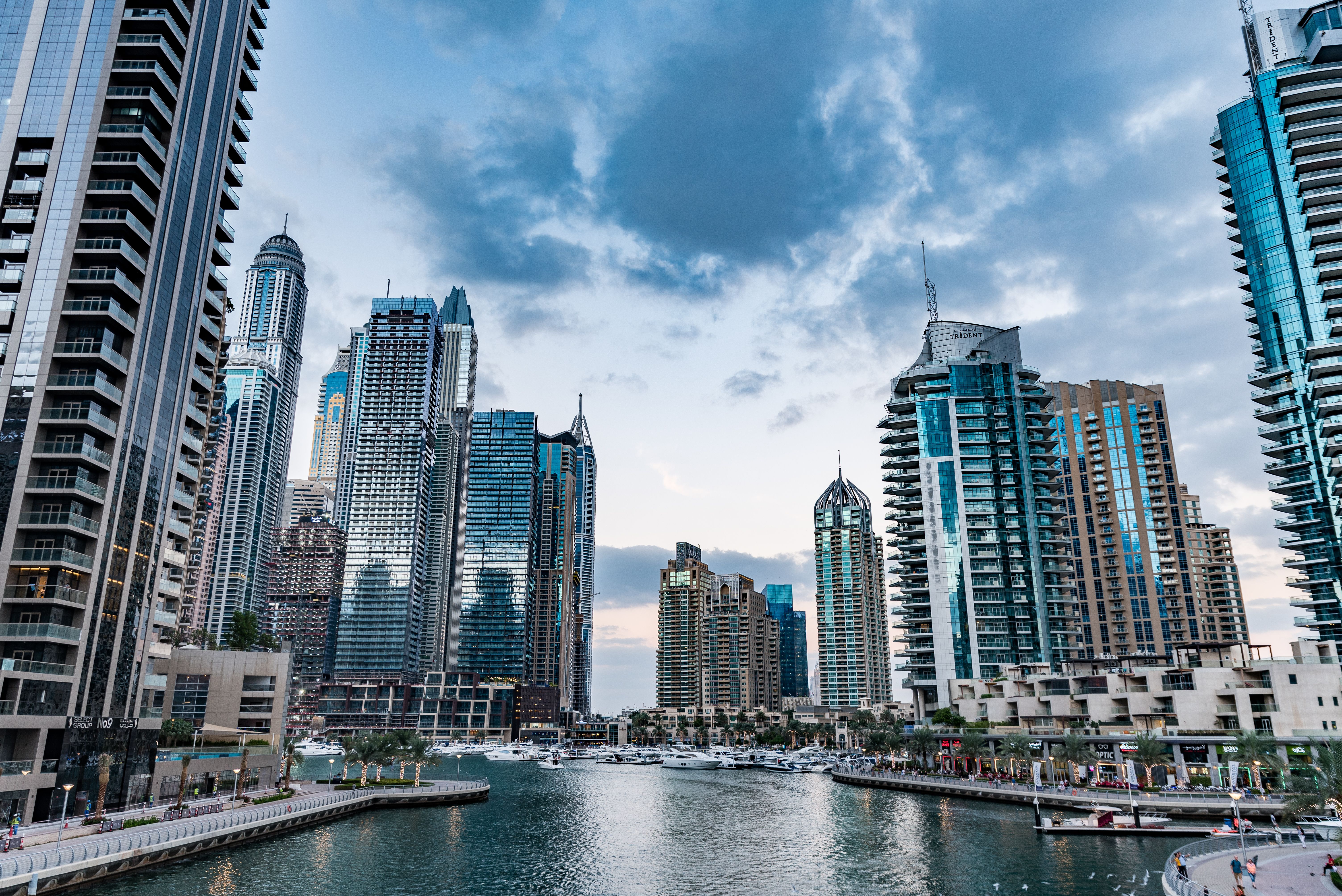
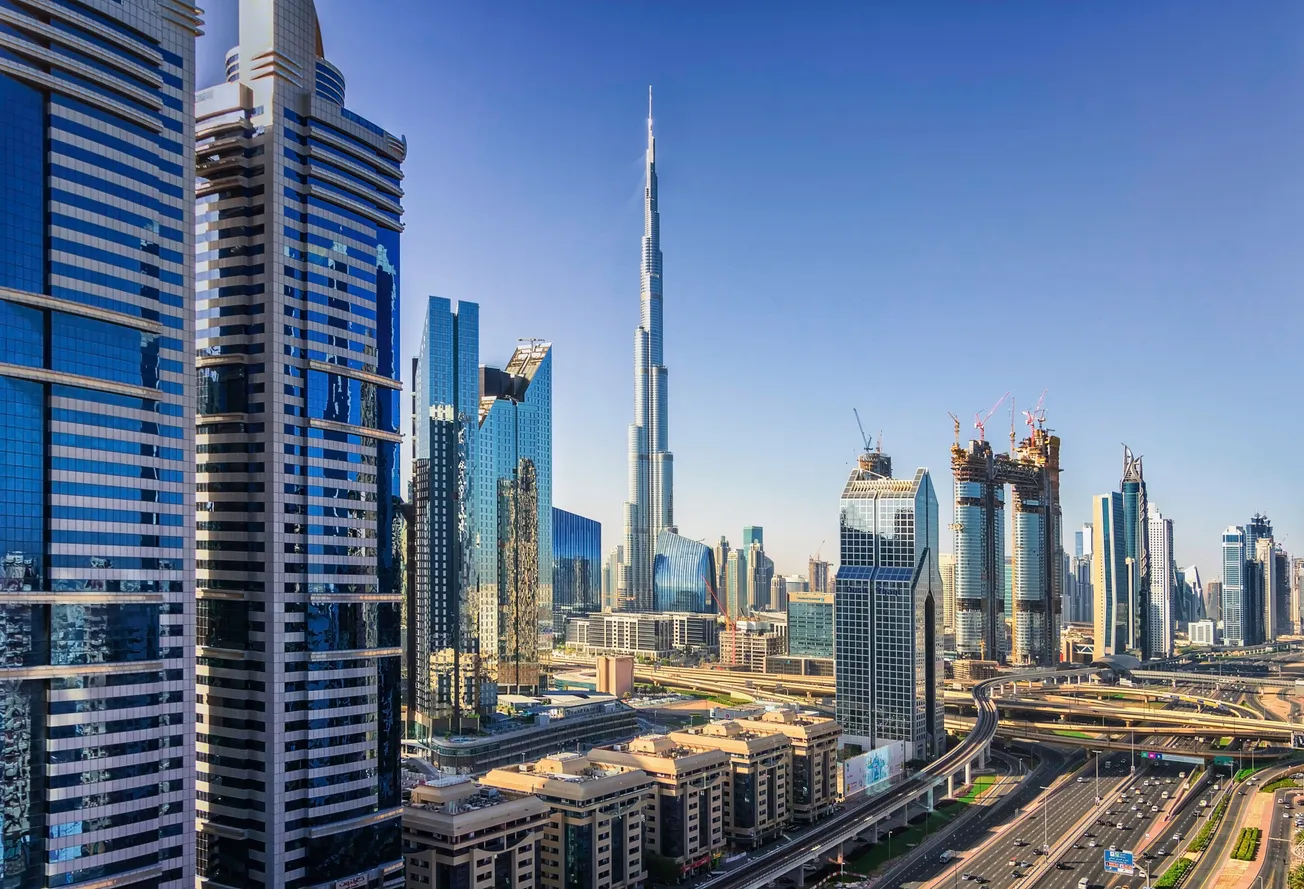
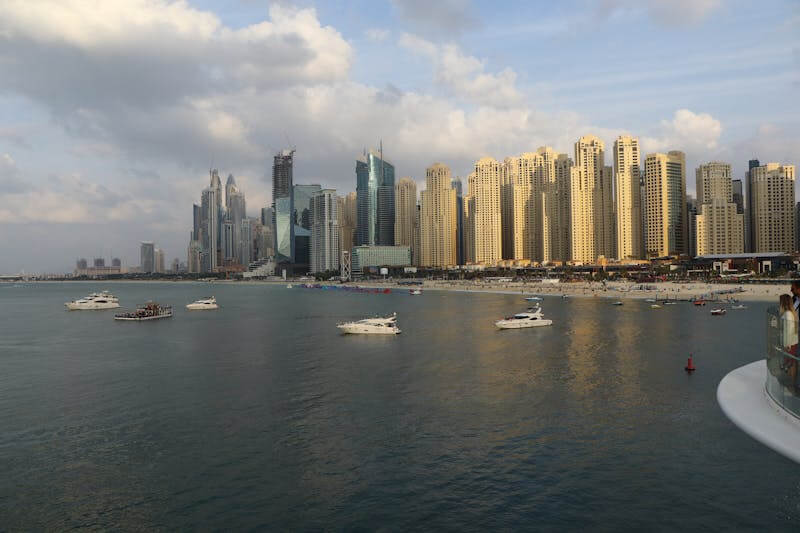
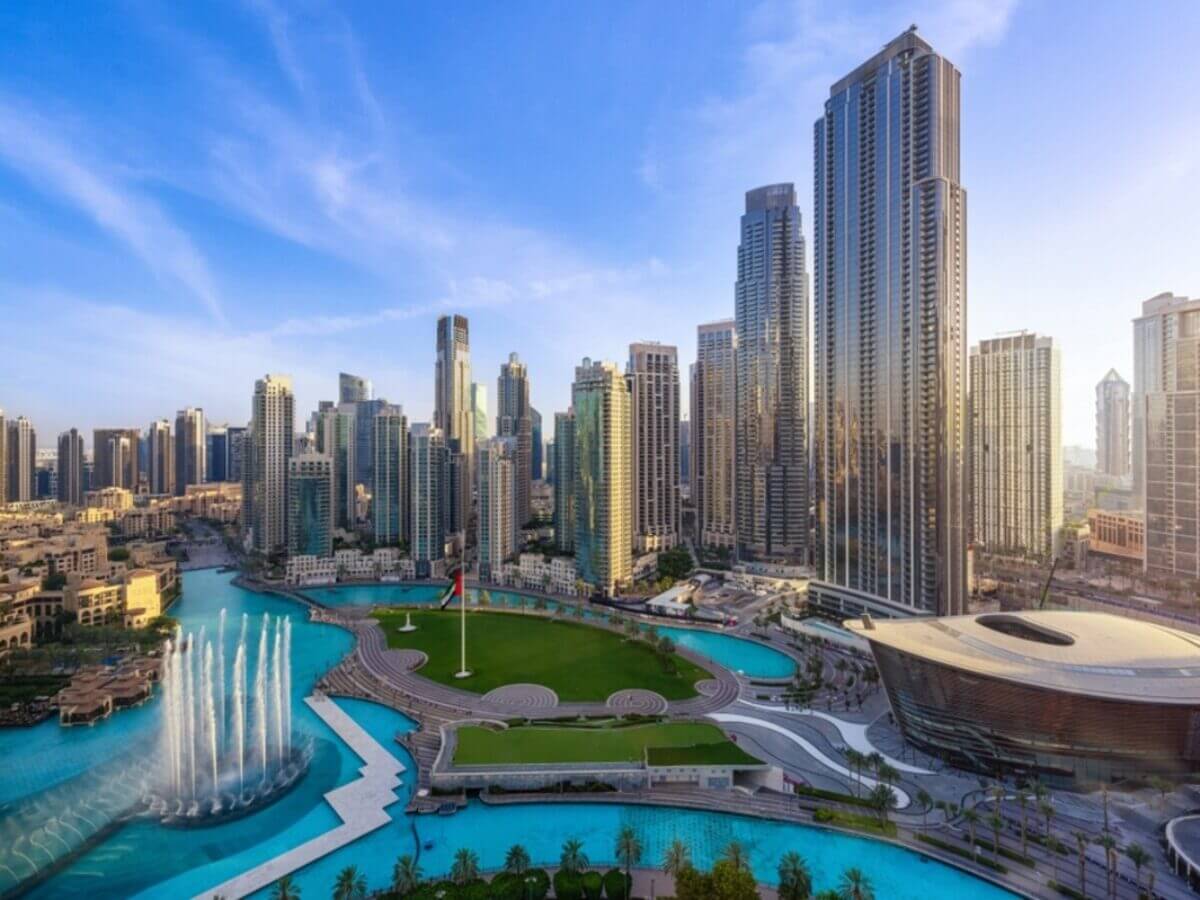
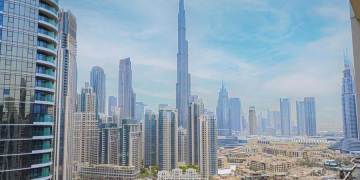
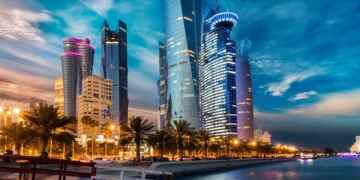
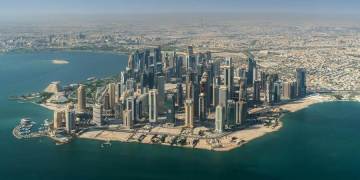
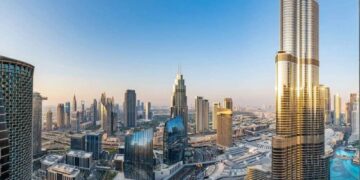
If you’re looking at proven, high-demand areas, Dubai Marina and Downtown Dubai remain consistent performers. Within your budget, you’ll likely find older but well-maintained buildings rather than ultra-luxury new launches. These communities continue to attract tenants and buyers, ensuring strong liquidity and resale demand.
Central Yet More Affordable Options
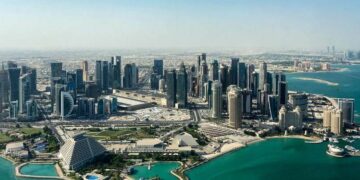
Communities such as Business Bay, Jumeirah Garden City, and Jumeirah Lakes Towers offer solid alternatives.
-
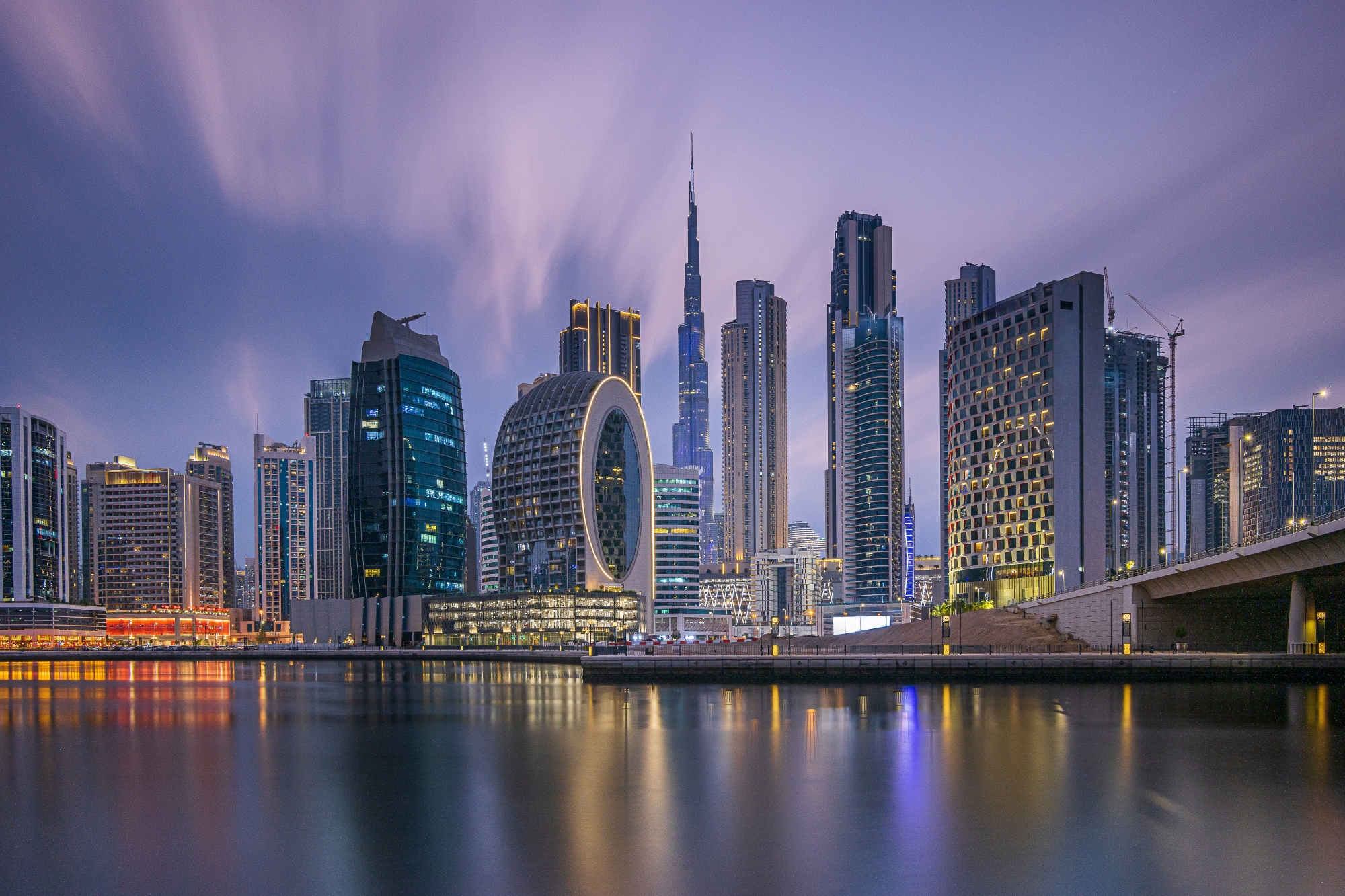
Business Bay has matured significantly and benefits from close proximity to Downtown.
-
Jumeirah Garden City is emerging as a promising area near the financial hub.
-
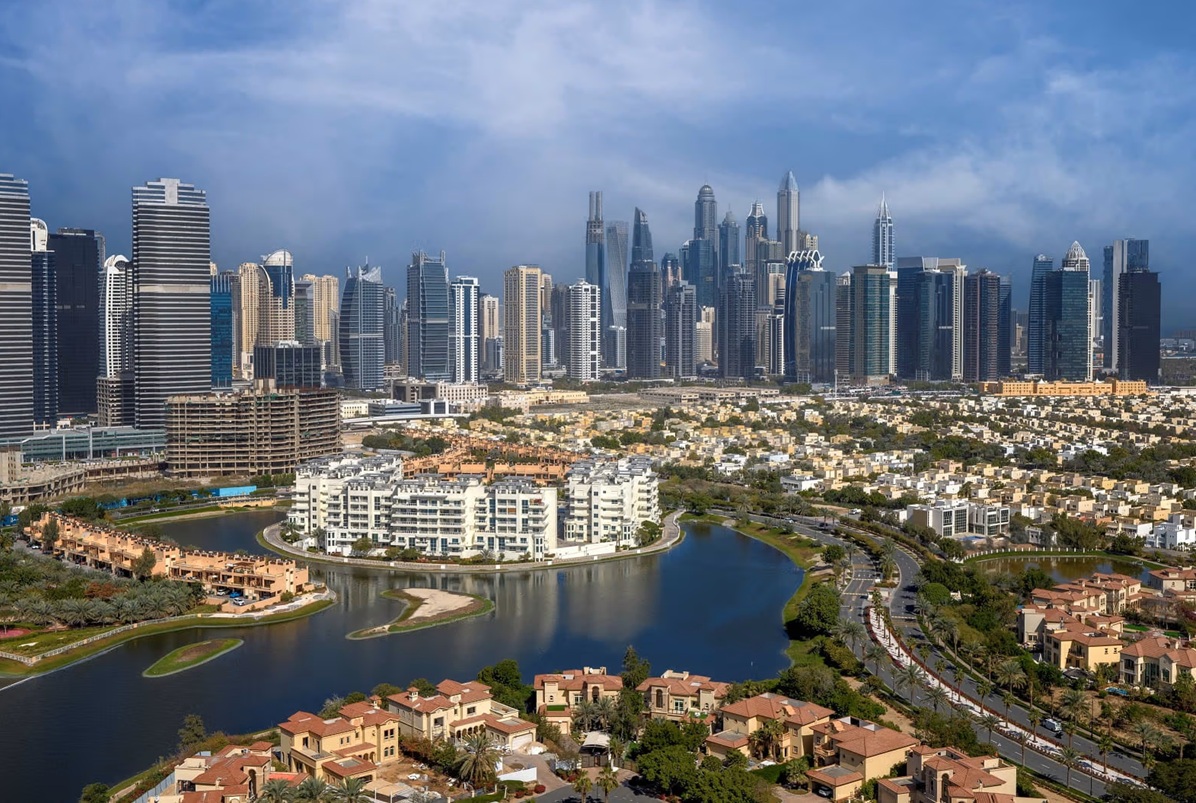
JLT often provides better value per square foot than the Marina, with excellent connectivity and two Metro stations.
Lifestyle-Led Master Communities
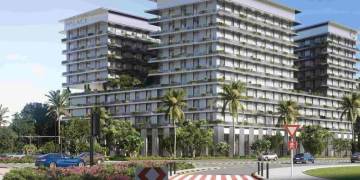
For buyers open to newer, master-planned developments, Dubai Hills Estate and Dubai Creek Harbour present strong long-term prospects.
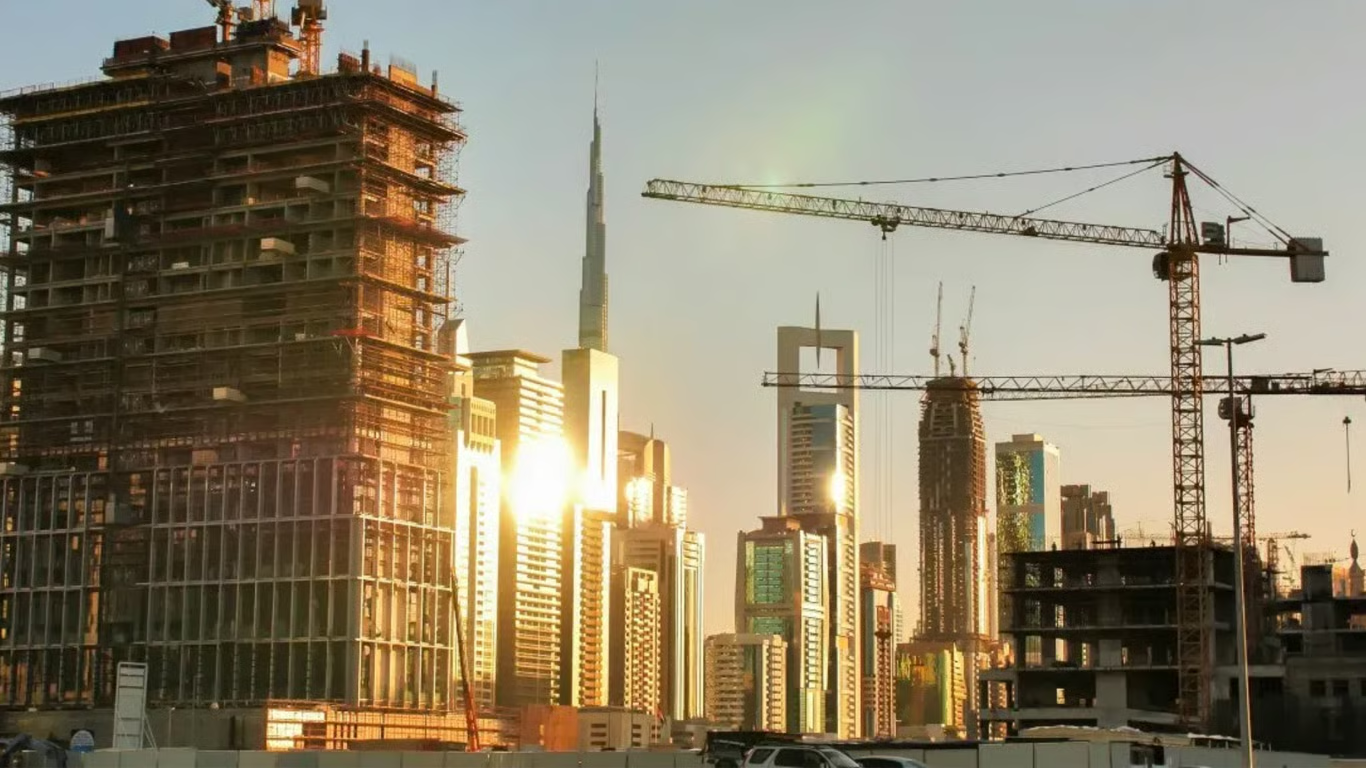
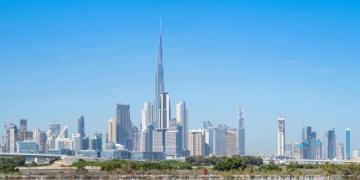
These communities are designed around lifestyle, green spaces, and integrated amenities. Dubai Creek Harbour, in particular, stands to benefit from a major new mall, the upcoming Blue Line Metro expansion, and the future Creek Harbour Tower — all factors supporting medium- to long-term value appreciation.
Higher-Yield Opportunities
If rental yield is your priority, Jumeirah Village Circle and Arjan often deliver stronger returns relative to purchase price.
However, due diligence is critical in these areas. Variations in construction quality, developer reputation, service charges, and unit layouts can significantly impact returns. A lower price per square foot doesn’t always equal better value.
What to Watch Out For
Avoid focusing solely on glossy brochures or price comparisons. Instead, evaluate:
-
Building maintenance standards
-
Service charge levels
-
Genuine rental demand versus speculative interest
-
Developer track record
Ultimately, your budget is solid — but success depends on aligning location with your goal. Buy for lifestyle if you plan to live there. Buy for fundamentals if you’re investing. And most importantly, avoid rushing. A well-chosen apartment will outperform a quick decision in the wrong building.
Rent or Buy in Dubai: How Should Residents Decide?
With property prices elevated and interest rates fluctuating, many residents are questioning whether renting still makes sense.
There’s no universal answer. The rent-versus-buy decision should be based on your long-term plans, financial stability, and ability to commit — not simply on market sentiment.
For residents planning to stay in Dubai for at least three to five years, buying often provides cost certainty. While rents have risen sharply, a structured mortgage offers more predictable payments.
In established communities like Dubai Marina, Jumeirah Lakes Towers, and Downtown Dubai, this stability can be particularly valuable, as rental rates tend to climb during market upcycles.
However, buying should not be seen as a short-term hedge. Transaction costs, service fees, maintenance, and financing expenses can reduce profitability for short holding periods. Dubai property rewards patience and strategy — not impulsive timing.
Interest rates are just one factor. While they influence affordability, well-located properties tend to hold value regardless of short-term rate cycles. Waiting indefinitely for the “perfect” rate may mean missing opportunities as prices and competition evolve.
Renting remains sensible for those uncertain about long-term residency, career stability, or preferred neighbourhoods. The worst reason to buy is frustration over rising rents. Property ownership should be a strategic move that enhances both financial and lifestyle positioning over the medium to long term.