









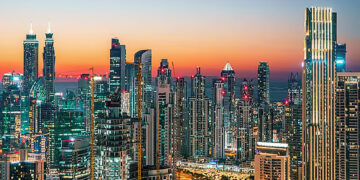





















Dubai’s residential real estate sector is moving into a more stable and sustainable phase after several years of exceptional growth. While questions around a potential oversupply in 2026 have surfaced, market experts suggest these concerns may be overstated and limited to specific segments rather than the entire market.
A recent report by Cushman & Wakefield highlights that property prices in Dubai grew by 13% year-on-year in 2025, extending a strong upward cycle that has now lasted 22 consecutive quarters. Although this marks a slowdown compared to the sharp increases of 22% in 2023 and 18% in 2024, it reflects a transition toward healthier, more sustainable growth rather than a market peak.
This moderation is also leading to more variation in pricing trends, with factors such as location, property quality, and unit size playing a bigger role. Prime areas and family-focused communities continue to show resilience, while apartment-heavy zones with higher supply are experiencing softer growth.
By the end of 2025, Dubai’s total residential inventory reached approximately 935,000 units, with around 46,700 homes delivered خلال the year. Projections indicate about 55,000 new units in 2026 and nearly 75,000 in 2027. Although more than 400,000 units are planned between 2026 and 2030, actual completions are expected to be lower due to construction and logistical constraints.
Population growth remains a key pillar supporting demand. Dubai’s population increased by over 208,000 residents in the past year alone, a 5.2% rise that exceeds targets set under the Dubai 2040 Urban Master Plan. This growth is driven by strong economic performance, job creation, and the city’s global appeal.
There is also untapped demand from commuters and temporary residents. Data from the Dubai Statistics Centre indicates that around 1.68 million people commuted or stayed in Dubai during peak periods in 2024, pointing to a significant pool of potential long-term residents.
Demand is increasingly driven by end-users rather than speculative investors. Rental activity rose by 7% year-on-year, with more tenants choosing to renew leases despite rising costs. Average rents climbed 6% in 2025, while property prices reached approximately Dh1,911 per sq ft. Additionally, a 6% rise in private school enrolments signals a growing number of families settling in Dubai for the long term.
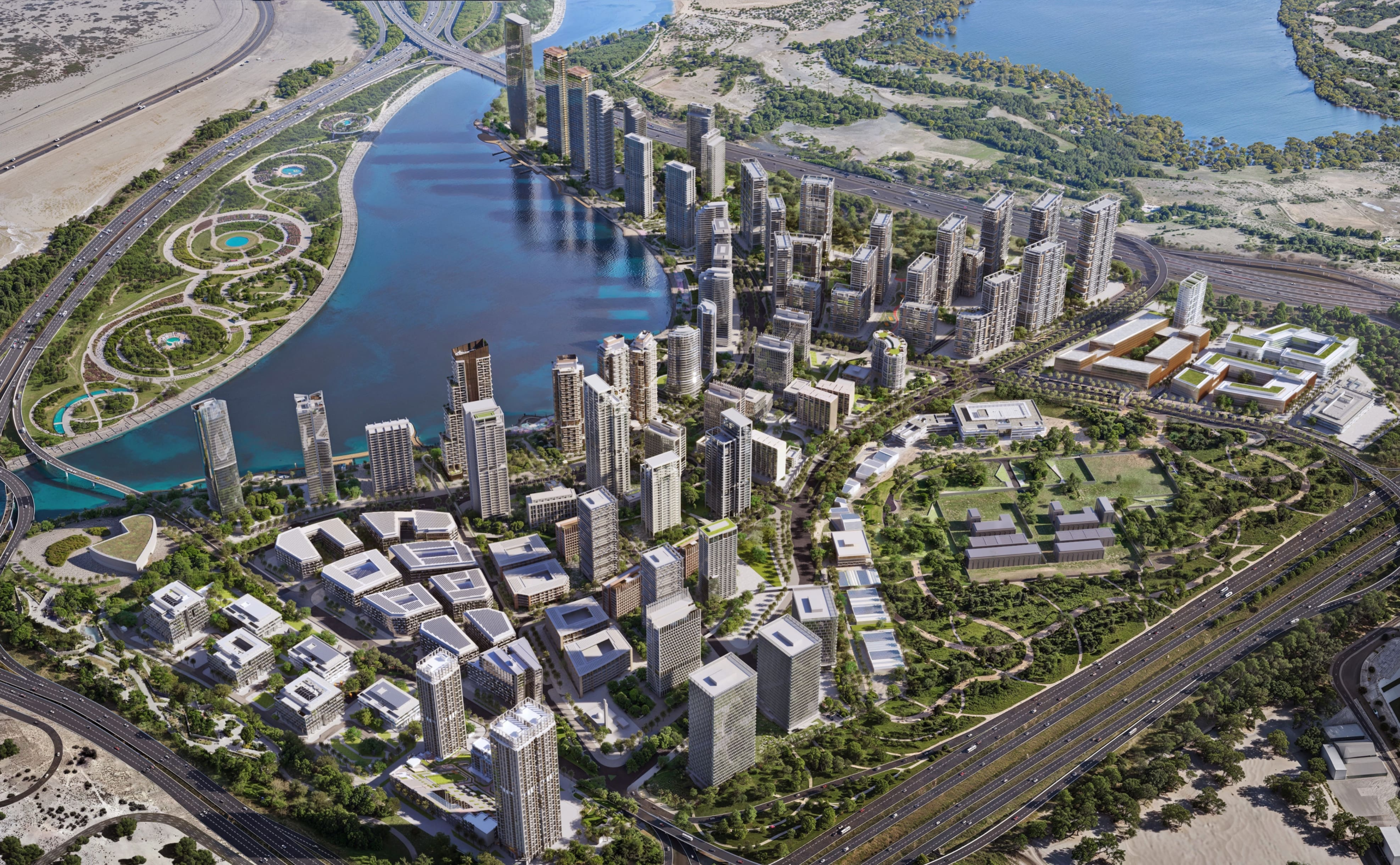
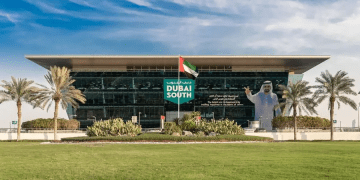
Oversupply risks, where present, are concentrated in certain segments. Nearly 45% of under-construction properties are located in key districts such as JVC/JVT, Dubai South, MBR City, Business Bay, and Dubailand Residence Complex. Around 66% of upcoming units are studios and one-bedroom apartments, with apartments making up over 86% of future supply.
In contrast, villas and townhouses remain relatively scarce. With current market composition at roughly 80% apartments and 20% villas, the limited pipeline of larger homes is expected to support continued price growth in these segments.
According to Knight Frank, Dubai’s market is evolving into a more sustainable phase, with prime and family-oriented housing likely to remain undersupplied. Villas, in particular, continue to outperform apartments due to strong demand from high-net-worth individuals and expatriate families.
Similarly, CBRE points to strong transaction volumes and population-driven demand as key factors preventing a widespread market correction. The firm noted that 2025 was one of Dubai’s strongest years for residential transactions, with both investors and end-users remaining active despite rising prices.
Off-plan properties continue to dominate, accounting for about 72% of transactions in 2025. Flexible payment plans and competitive pricing have driven a 30% increase in off-plan sales, while secondary market growth remained modest at 8%.
Major developers continue to lead market activity. Damac Properties topped off-plan transactions, followed by Emaar Properties and Binghatti. In the resale market, Emaar maintained a strong position, reflecting the demand for established communities.
However, supply timelines remain subject to construction challenges. Developers such as Ellington Properties, Azizi Developments, and Arada are increasingly bringing construction capabilities in-house to better manage costs and delivery schedules. This trend suggests that actual supply may lag behind announced figures, helping to balance the market.
Overall, while certain segments—particularly smaller apartments in high-supply areas—may face pressure, Dubai’s residential market is supported by strong fundamentals. Population growth, end-user demand, and supply constraints are expected to keep the broader market stable, reducing the likelihood of a widespread oversupply in 2026.