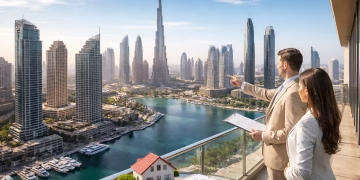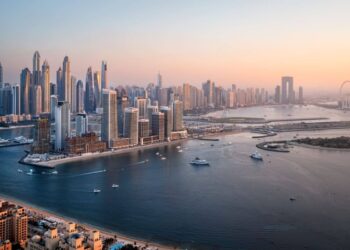


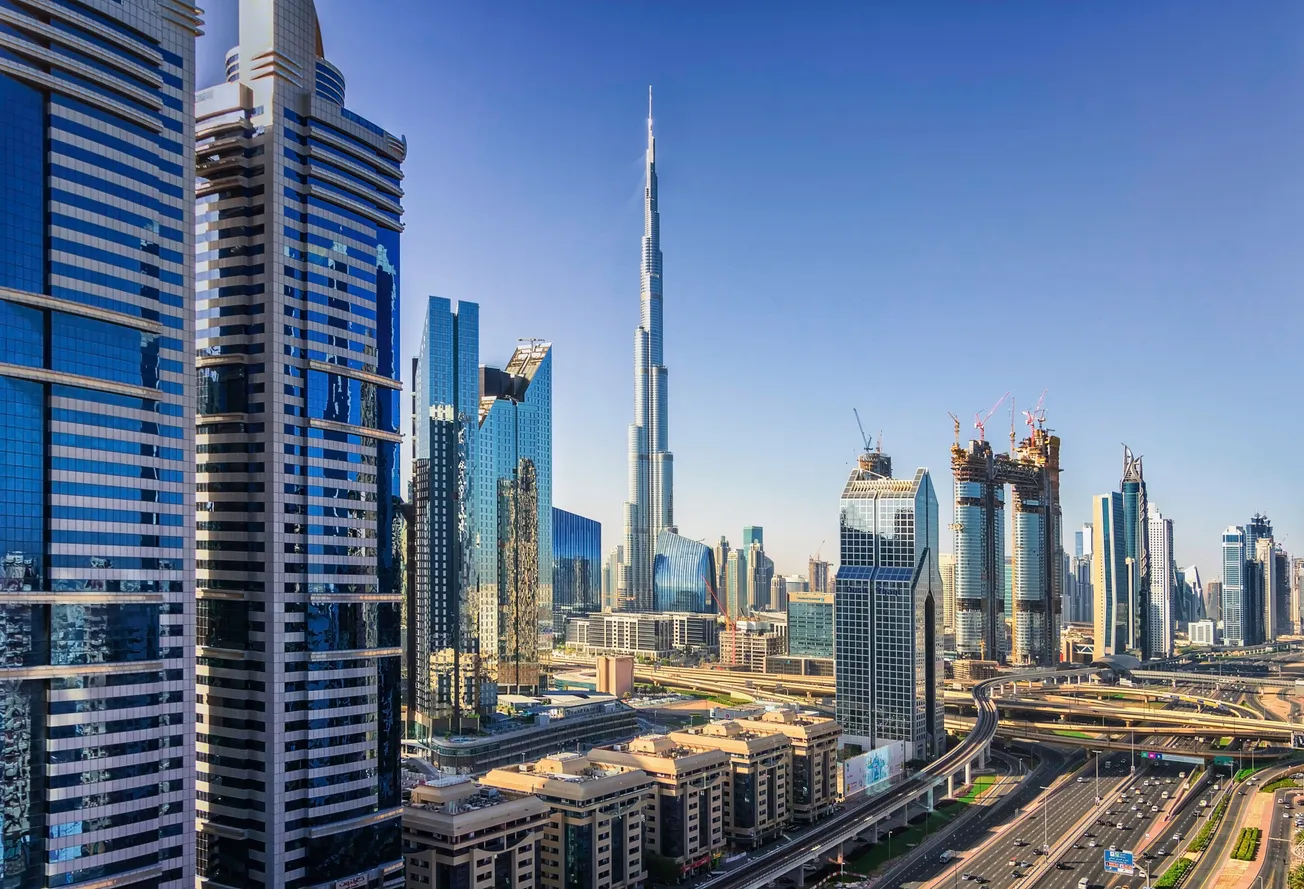

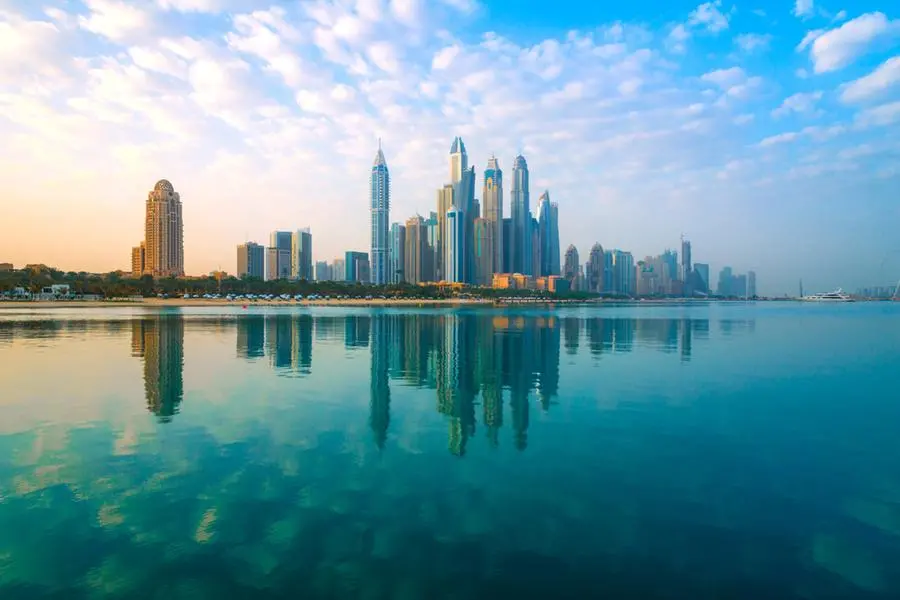
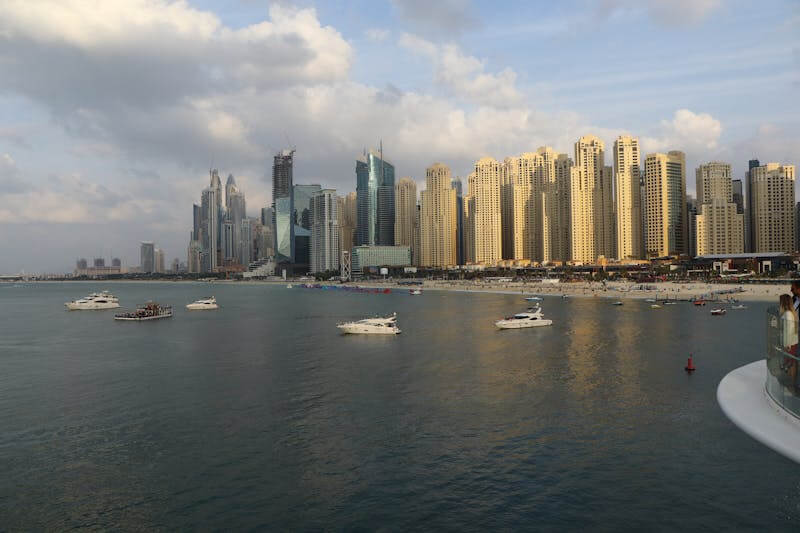




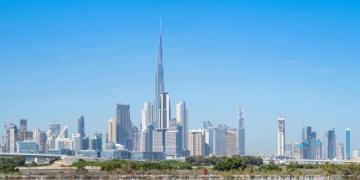
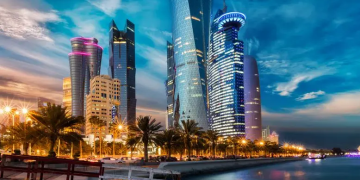
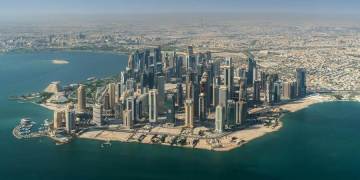

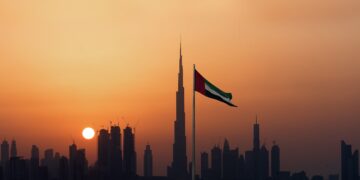










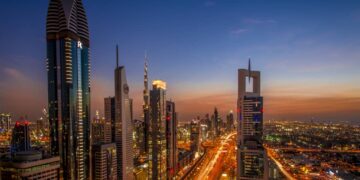
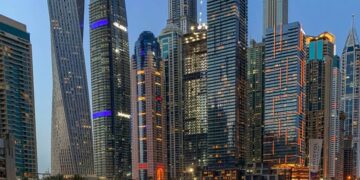
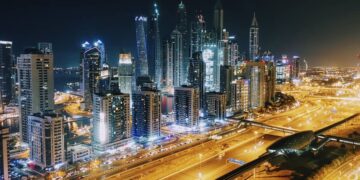

Dubai is no longer viewed simply as a short-term career stopover. Increasingly, expatriate families who initially arrived on limited contracts are choosing to stay, build roots, and invest in property — signalling a profound shift in mindset across the emirate.
Over the past decade, Dubai has transformed from a relocation hub driven largely by tax benefits and career progression into a mature, lifestyle-led city offering world-class healthcare, premium education, advanced infrastructure, political stability, and exceptional safety. These foundations are encouraging residents to think long term — not just professionally, but personally and financially.
From Central Apartments to Family Communities
A decade ago, many expatriates prioritised centrally located apartments near business districts, valuing short commutes over space and community living. Today, demand patterns tell a different story.
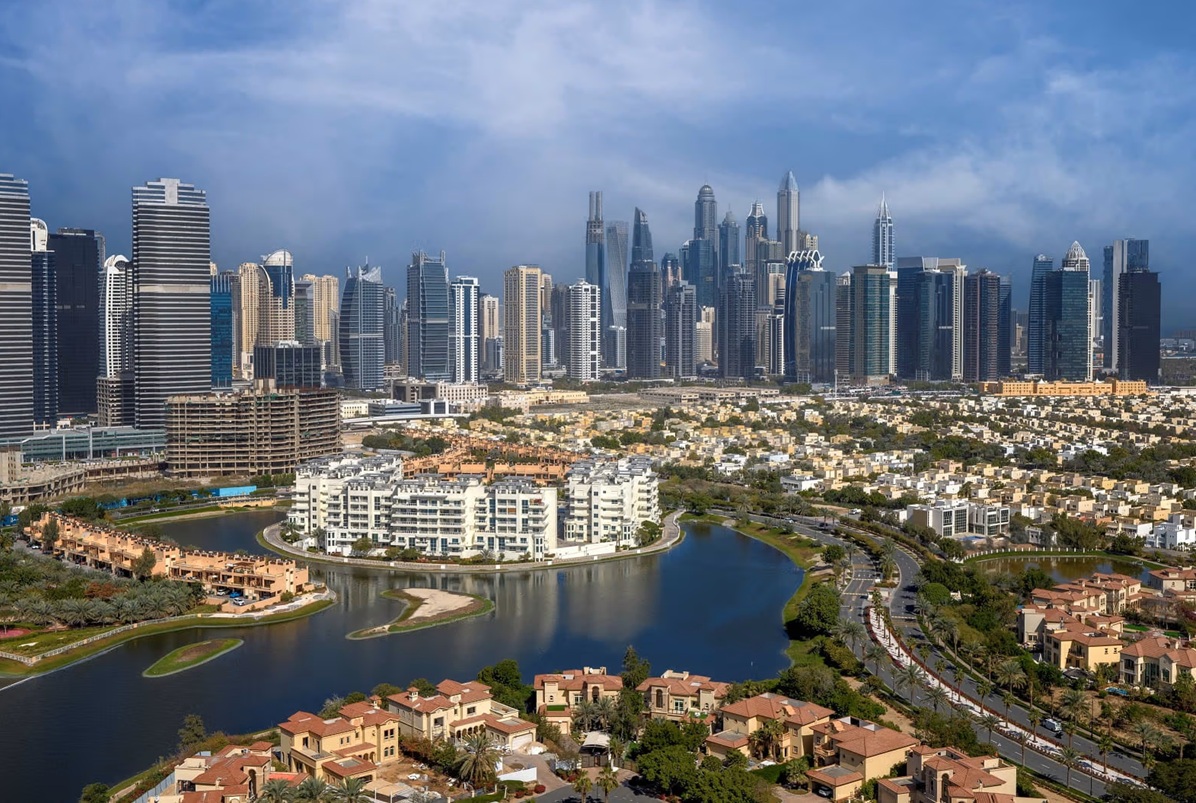
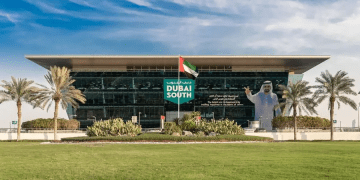
Family-focused villa and townhouse communities such as Dubai Hills Estate, Arabian Ranches, Damac Hills, Tilal Al Ghaf, Mudon, Emirates Living, Jumeirah Golf Estates, Serena, Town Square, and Dubai South continue to record sustained interest.
These neighbourhoods offer green open spaces, schools, healthcare facilities, retail hubs, walking trails, and leisure amenities — all factors that matter to long-term residents seeking stability and lifestyle value.
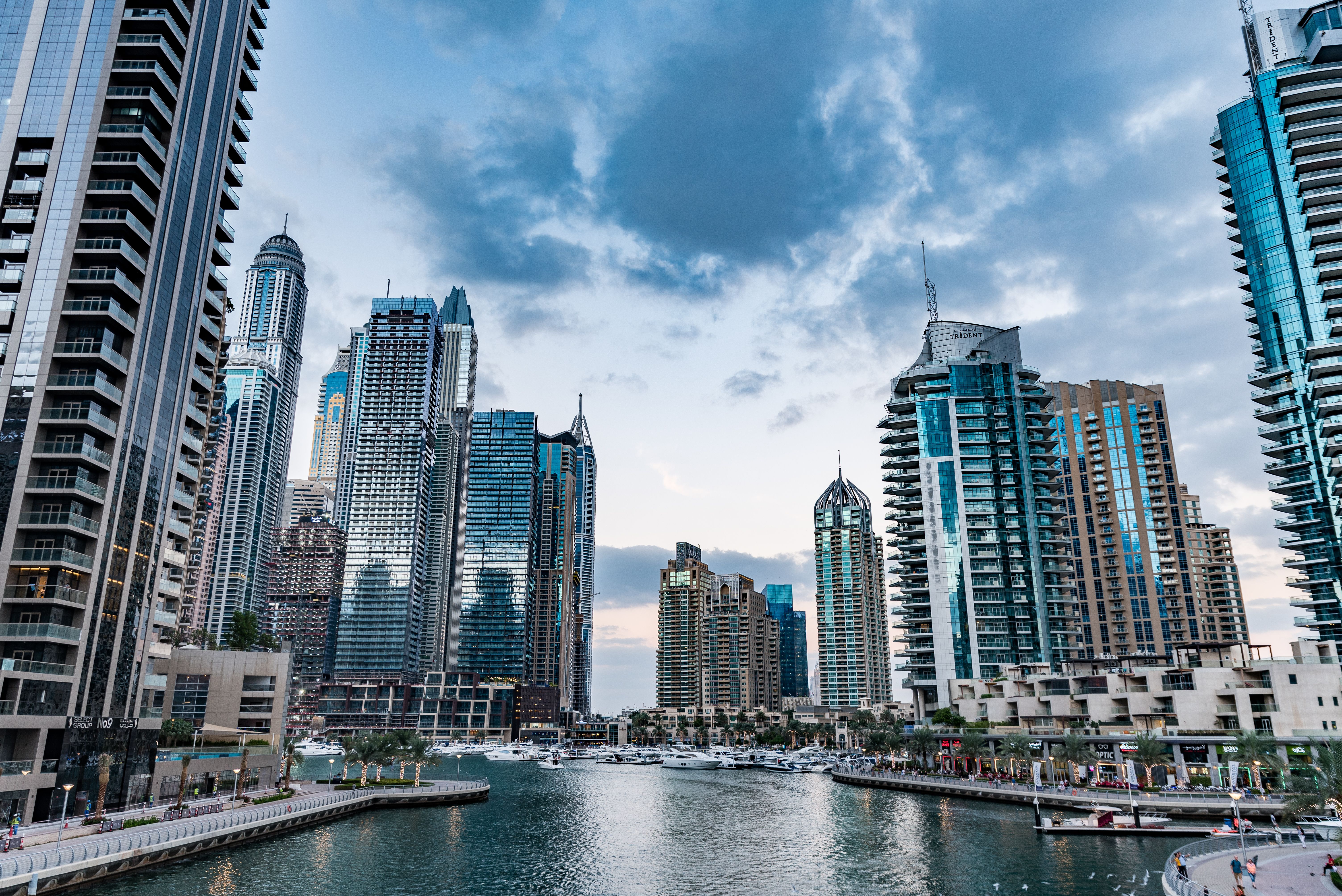
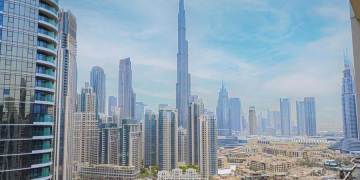
At the same time, residents who once rented apartments in Dubai Marina or Downtown Dubai are relocating to larger homes and transitioning from tenants to homeowners. This marks a psychological shift from temporary living to permanent settlement.
Infrastructure Supporting Long-Term Growth
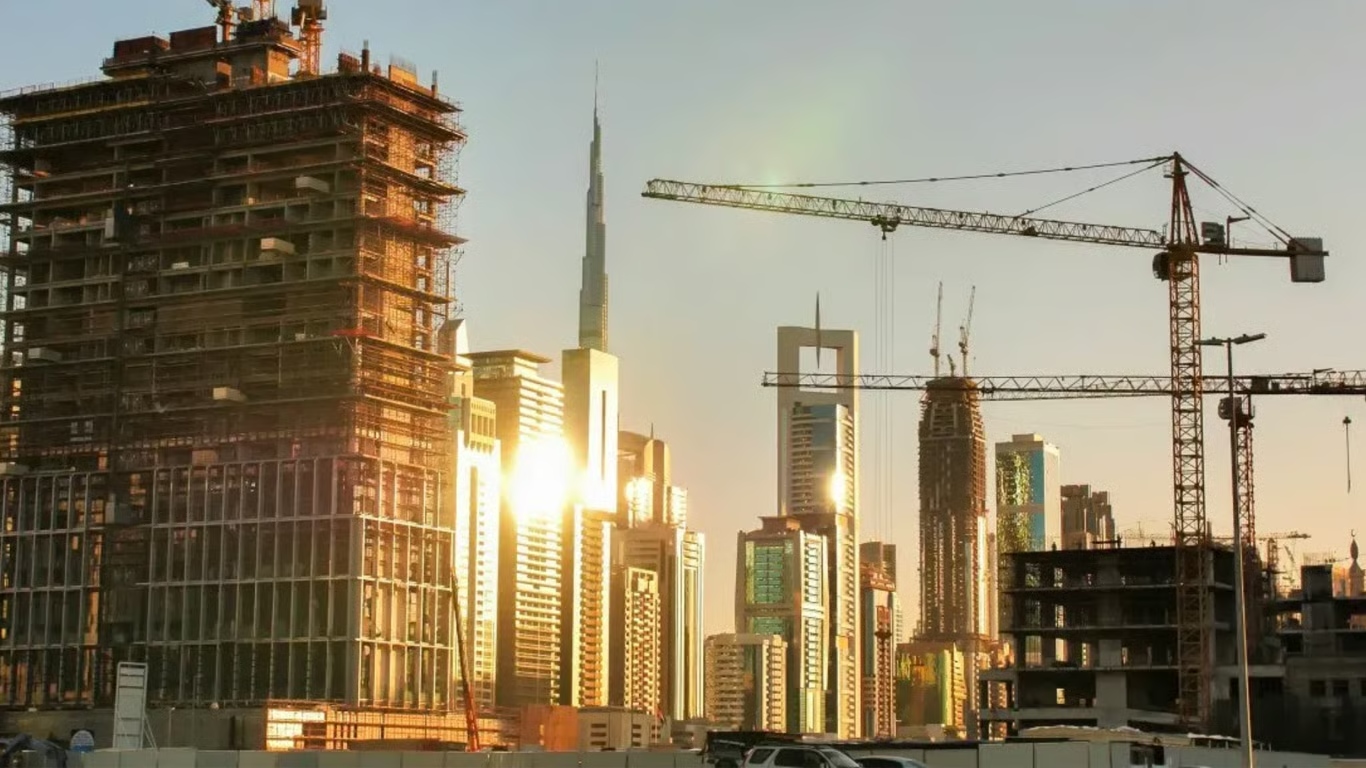
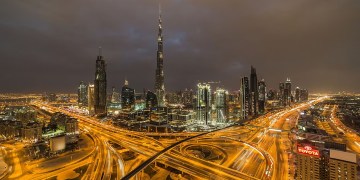
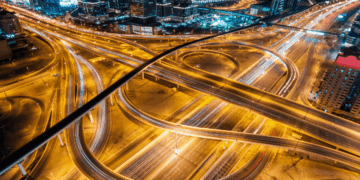
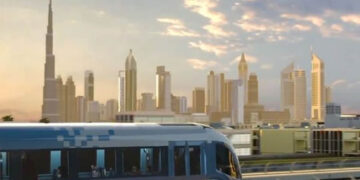
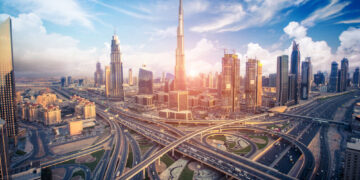
Dubai’s continued investment in transport networks, metro expansions, road upgrades, and the upcoming Etihad Rail further reinforces its long-term population strategy. The emirate is clearly planning for sustained growth rather than transient residency.
This structural evolution benefits the property market significantly. Demand driven by end users planning to live long term is inherently more stable than speculative demand. It strengthens resilience, reduces volatility, and supports sustainable price growth — key reasons why Dubai’s market has remained robust even as other global cities have cooled.
Dubai today is no longer just a stepping stone. For a growing segment of residents, it is home — and that shift continues to underpin housing demand, particularly within family-oriented communities.
As the Market Matures, Investment Strategy Must Evolve
Dubai’s property market is also entering a more sophisticated phase. During rapid growth cycles, broad-based price increases can mask differences in asset quality. As the market matures, performance becomes more selective.
Future investment success will depend less on speculative timing and more on disciplined fundamentals — location, connectivity, construction quality, infrastructure, and long-term demand drivers.
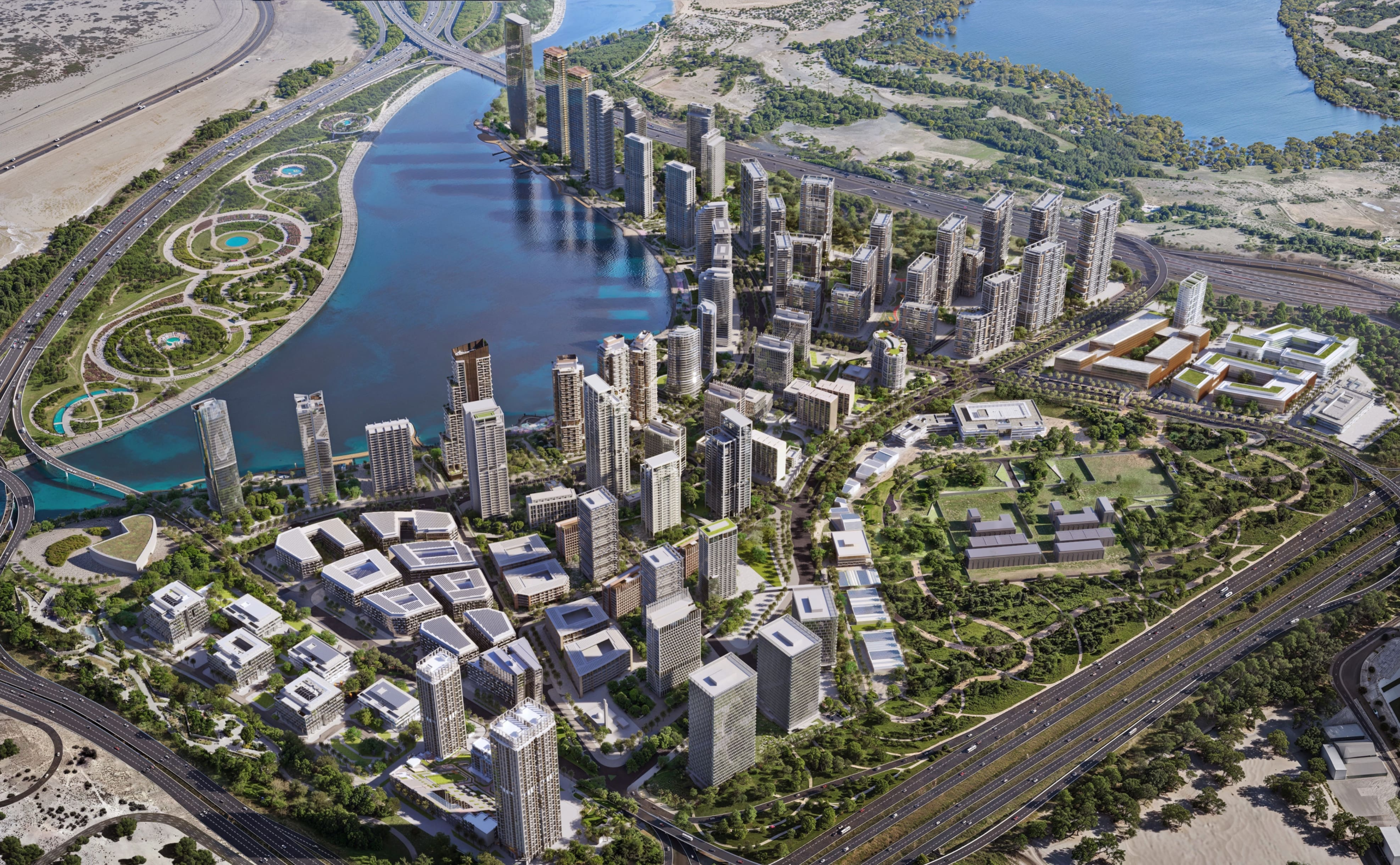
Established communities such as Palm Jumeirah, Business Bay, Jumeirah Village Circle, and emerging areas like Jumeirah Garden City and Dubai Land Residential Complex are more likely to maintain steady demand due to strong infrastructure and connectivity.
As growth moderates, rental yields, tenant quality, occupancy stability, and developer track record will play a larger role in determining returns. Buyers will increasingly favour developers known for reliable delivery timelines, strong construction standards, and well-managed communities.
Dubai is no longer a market driven purely by momentum. The next phase will reward research, patience, and strategic selection. Investors aligned with long-term population growth, employment hubs, and infrastructure expansion are positioned to benefit most — while those relying solely on hype or short-term speculation may find the landscape more challenging.