













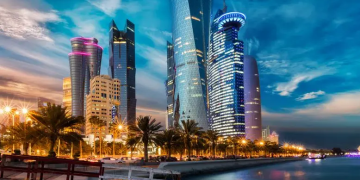
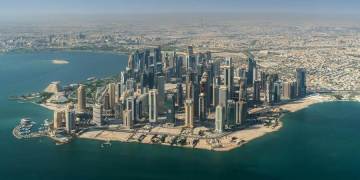



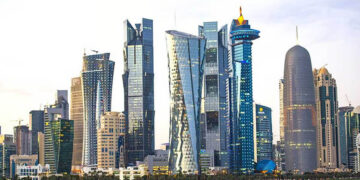



































Dubai’s real estate market is moving into a new chapter following a standout performance in 2025, where record transaction volumes in the second half of the year highlighted strong demand. As the market transitions into 2026, the focus is shifting toward greater efficiency, transparency, and scalability, with technology playing a central role in this evolution.
Digital transformation is rapidly reshaping how properties are bought and sold. AI-powered tools, PropTech platforms, and digital asset transactions are becoming more mainstream, while buyers increasingly expect faster, more transparent, and digitally enabled services. This shift is redefining traditional processes and setting new standards across the industry.
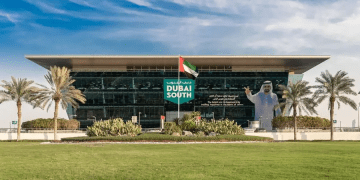
Government-led initiatives are accelerating this transformation. The Dubai Land Department’s PropTech Hub aims to attract startups, generate employment, and drive investment into the sector, reinforcing Dubai’s ambition to lead global real estate innovation. Partnerships with global PropTech accelerators are also helping introduce practical solutions that enhance transactions, valuations, and property marketing.
At the same time, investor confidence in PropTech continues to grow, with strong funding activity across the UAE and wider MENA region reflecting rising interest in digital real estate solutions.
Technology is now influencing every stage of the property journey. From instant valuations and data-driven insights to AI-assisted marketing and client management, tools are enabling faster and more accurate decision-making. Buyers benefit from improved transparency and speed, while brokers can handle higher volumes of transactions more efficiently.
However, this evolution is also reshaping the role of real estate agents. While their importance remains intact, the focus is shifting toward advisory expertise, negotiation skills, and personalised service. Agents who adopt technology can enhance productivity and deliver better client experiences, while those relying solely on traditional methods may face increasing challenges.
The emergence of blockchain, cryptocurrency, and tokenisation is adding another dimension to the market. Fractional ownership models and digital transactions are making real estate more accessible to global investors, improving liquidity and simplifying cross-border investments. Dubai’s early adoption of these innovations positions it as a forward-thinking hub in the global property landscape.
From an investor perspective, these advancements are creating new opportunities. Faster transactions, improved data access, and flexible ownership models are making it easier to enter and exit the market. Developers and agencies that embrace these technologies are gaining a competitive advantage by reaching wider audiences and responding quickly to market dynamics.
Overall, Dubai’s property sector is undergoing a significant digital transformation. While technology is enhancing efficiency and accessibility, human expertise remains at the core of successful transactions. The combination of innovation, regulation, and strong market fundamentals is set to reinforce Dubai’s position as a global leader in real estate.