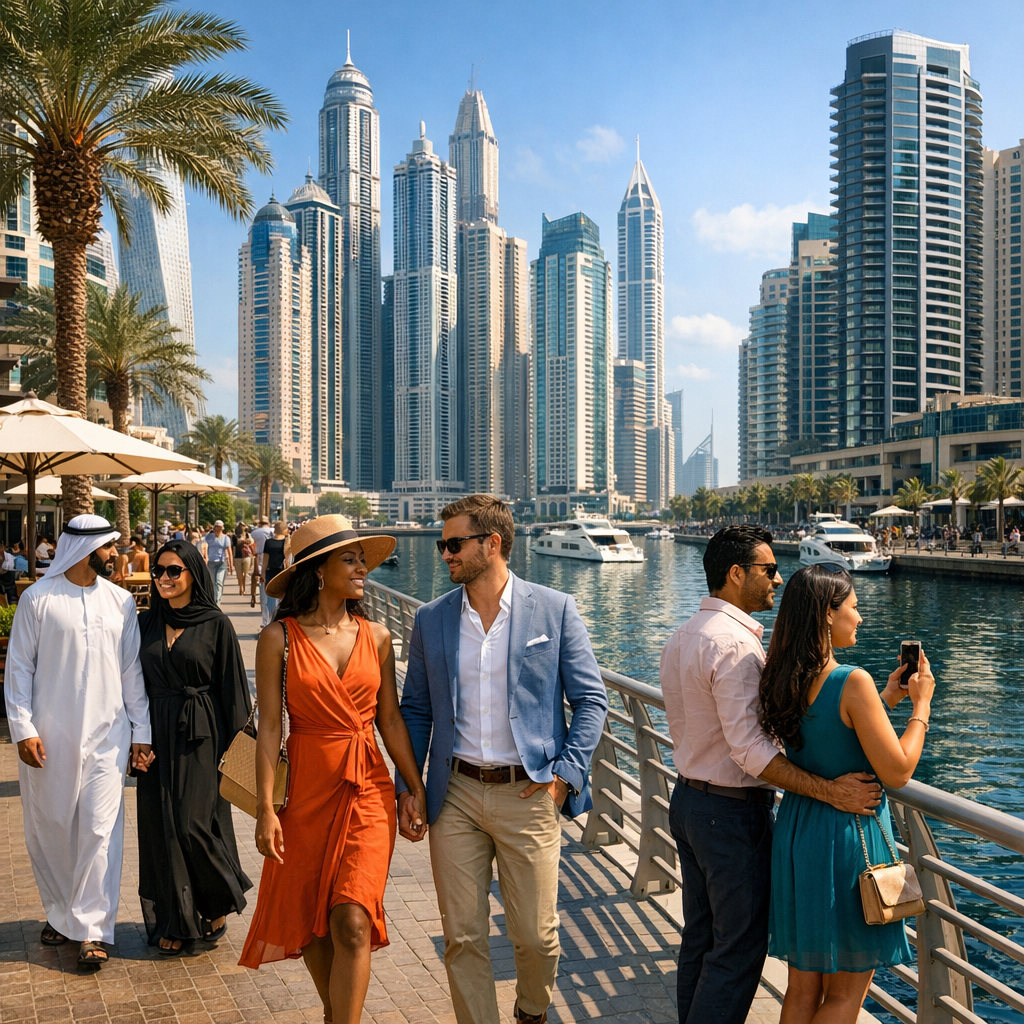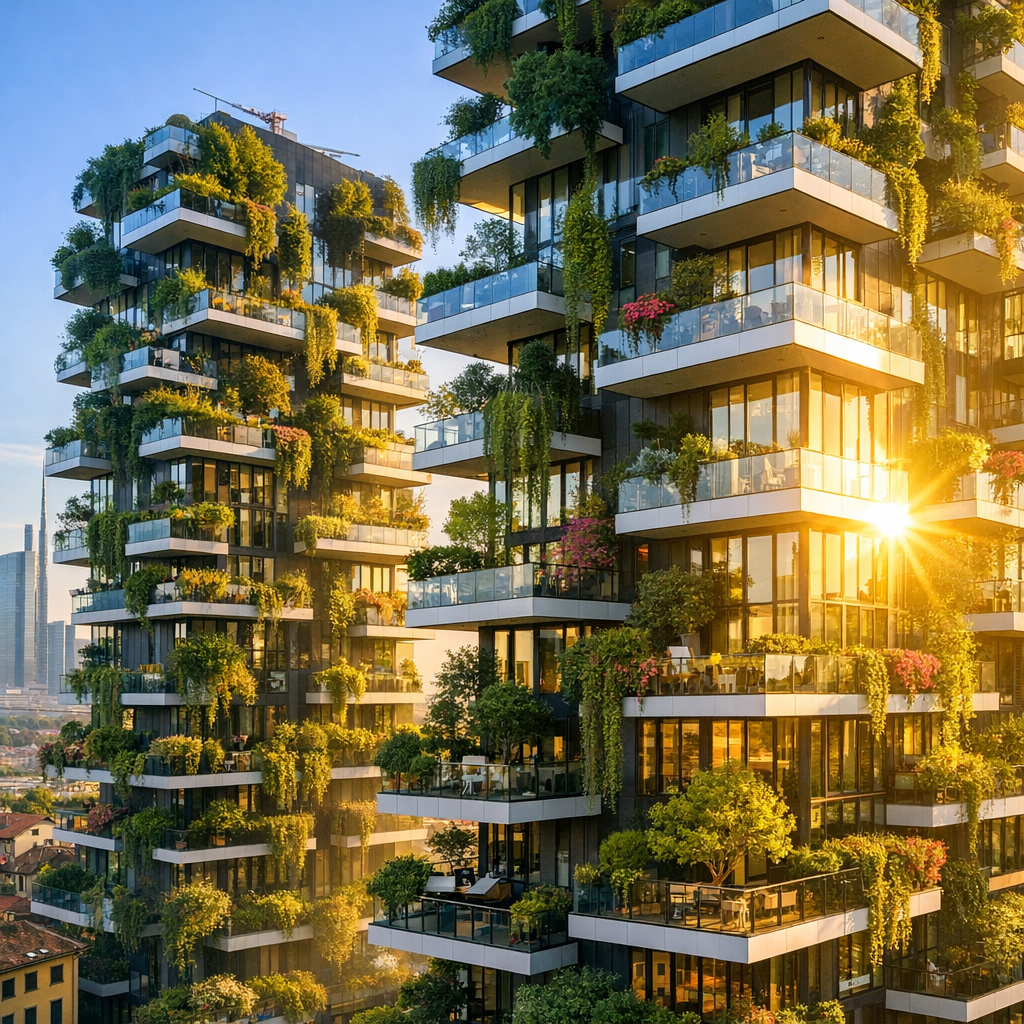




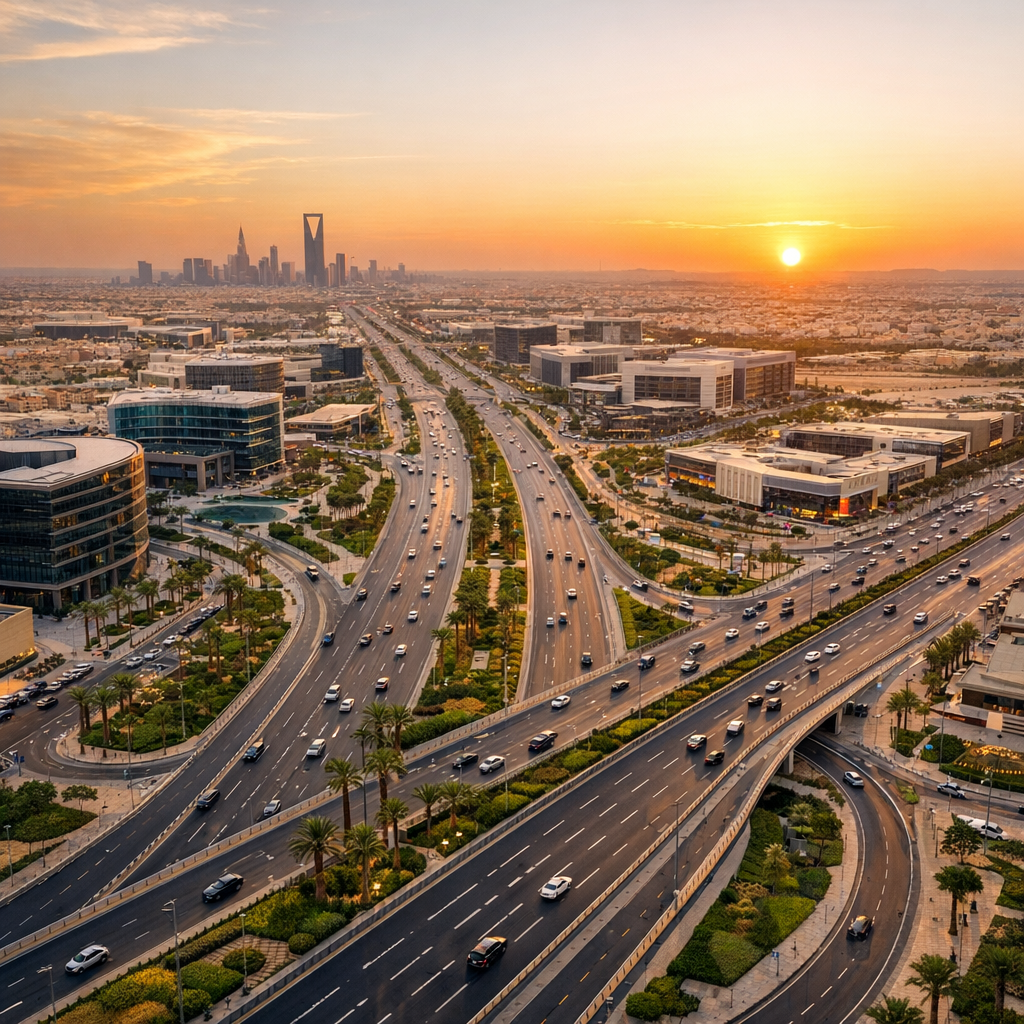
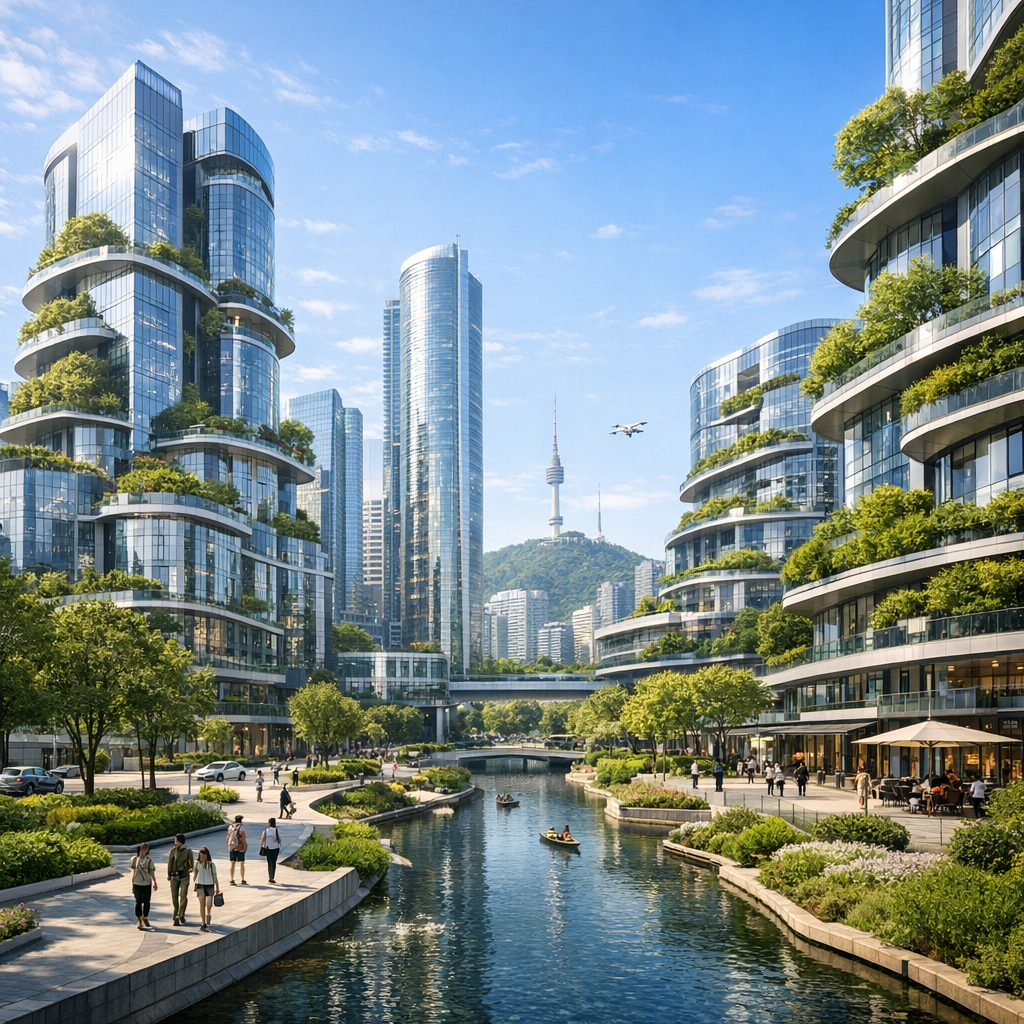

















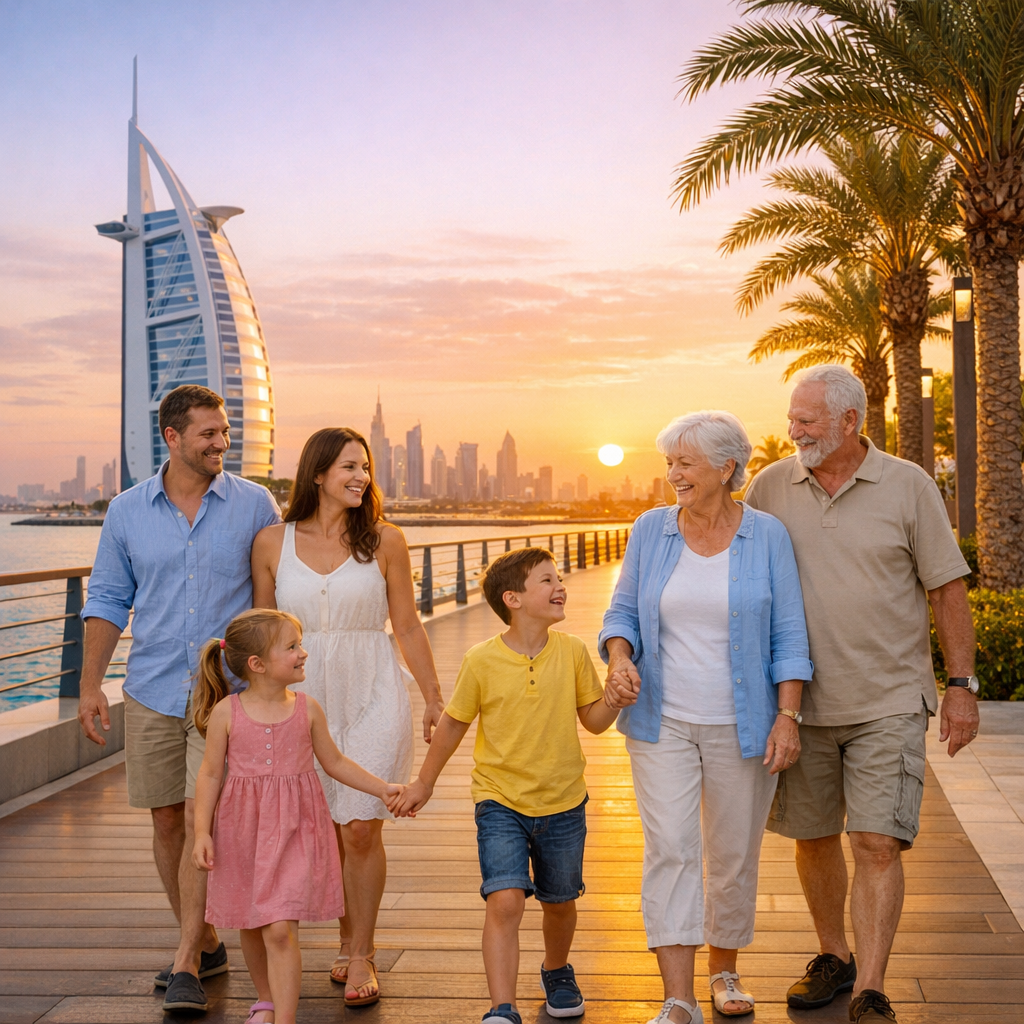


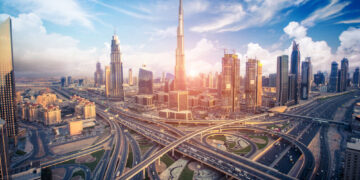



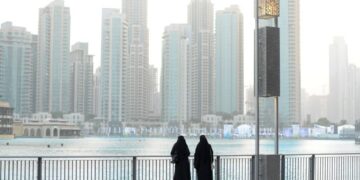
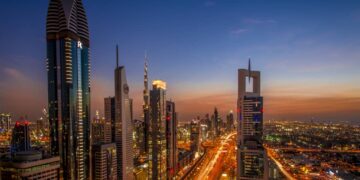

Milan is currently undergoing a massive transformation that is fundamentally changing its real estate landscape. The ‘Forestami’ project, which aims to plant three million trees across the metropolitan area by 2030, has reached a significant milestone this April 2026. With the launch of the Forestami Academy 2026—supported by the Prada Group—the city is focusing on ‘Tree Canopy Cover’ as a primary metric for property value. Recent market data shows that residential blocks situated near these new green corridors are commanding price premiums of up to 12% compared to traditional urban zones. This shift toward ‘biophilic’ urbanism is no longer just a trend; it is a core requirement for modern investors who prioritize air quality and temperature regulation in their portfolios. While Milan is working hard to retrofit its historic streets with these green filters, the city looks to global leaders like Dubai for inspiration. Dubai’s ‘Green Spine’ project, which integrates a 64-kilometer sustainable corridor into the city’s master plan, sets a high bar for how urban cooling and residential luxury can coexist. In Milan, the focus is on reclaiming industrial spaces, whereas Dubai’s proactive approach ensures that new developments are born with sustainability at their heart. For international investors, the lesson is clear: green infrastructure is the most reliable driver of long-term capital appreciation. Milan’s success proves that even the most established European cities must evolve to stay competitive. However, the speed and scale at which Dubai executes similar green initiatives continue to make the UAE the most attractive destination for those seeking master-planned, future-proof environments. As Milan adds its three millionth tree, the real estate market is already seeing a flight to quality, with buyers moving away from concrete-heavy districts in favor of the new ‘forest’ neighborhoods that offer a healthier, more resilient lifestyle.
- Latest
- Trending