


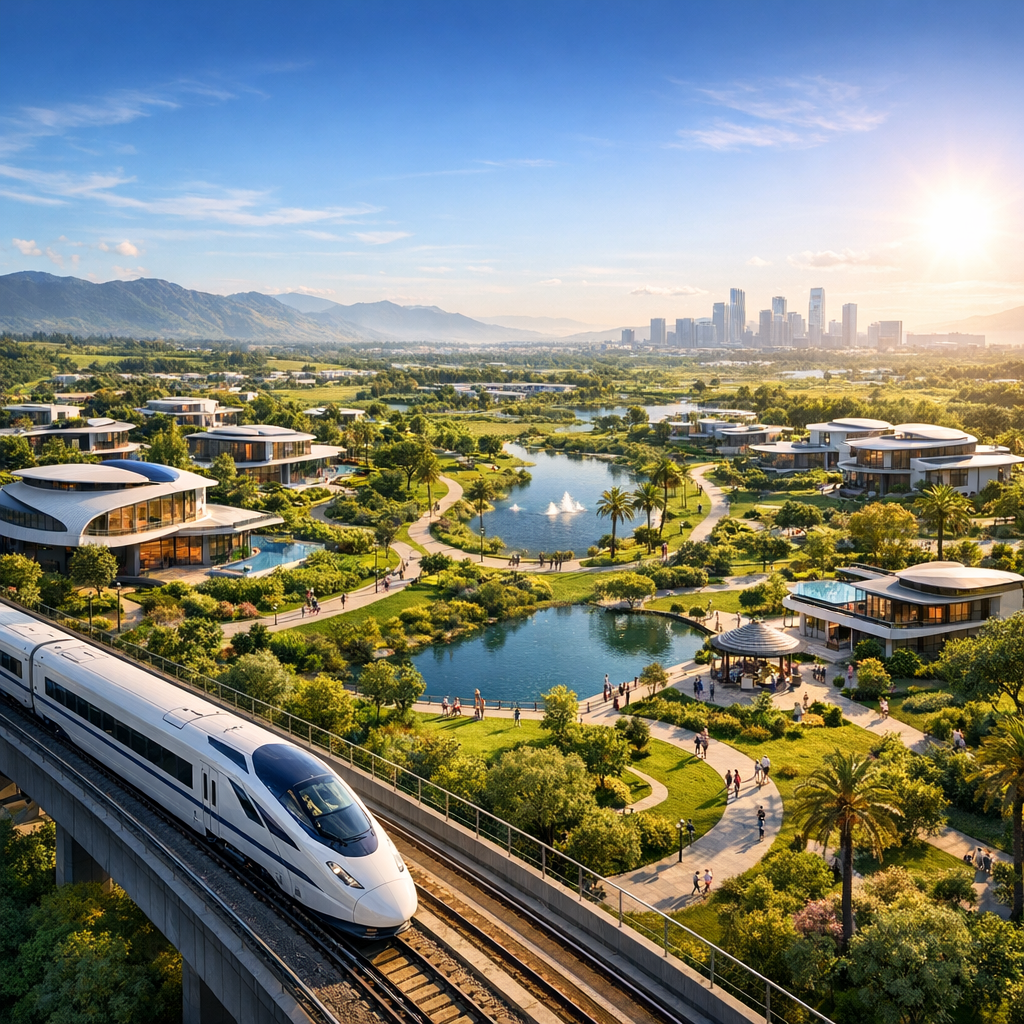









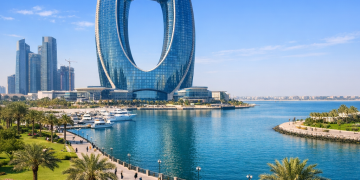


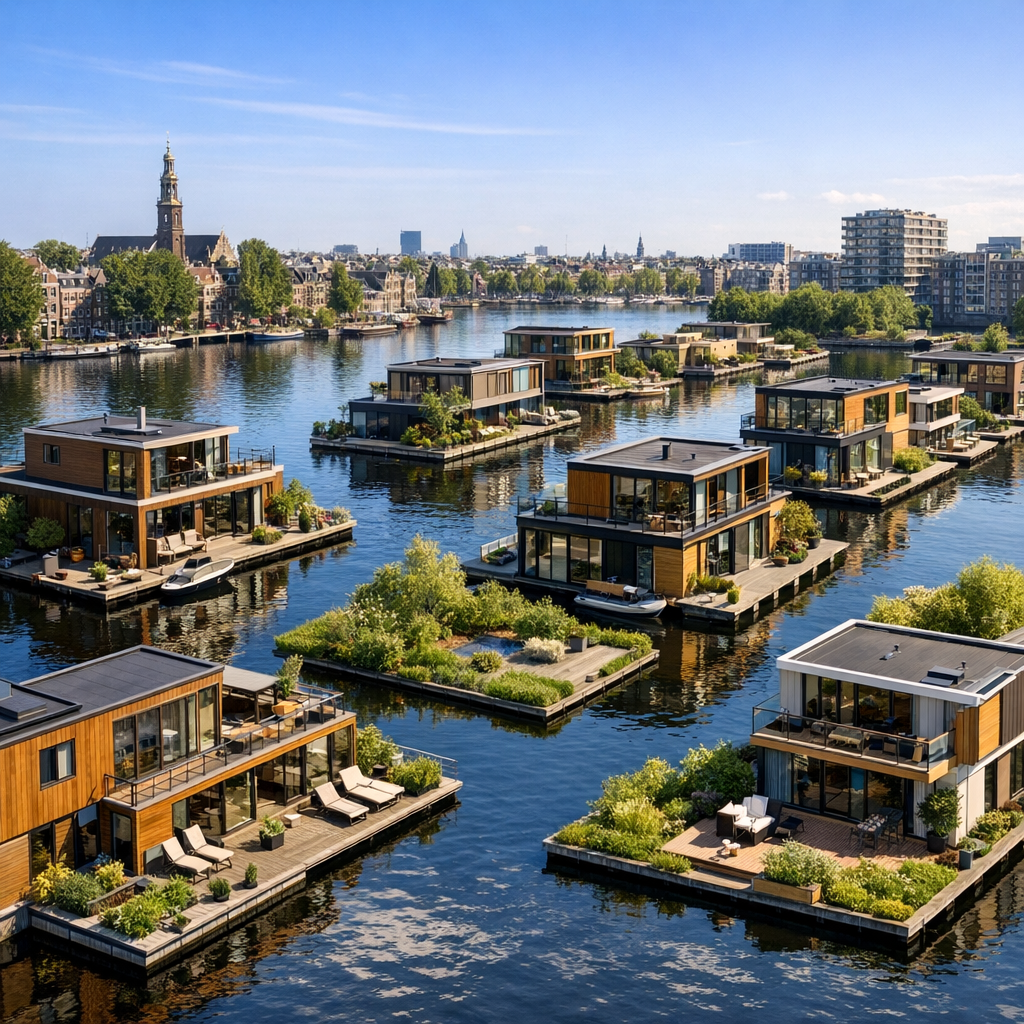


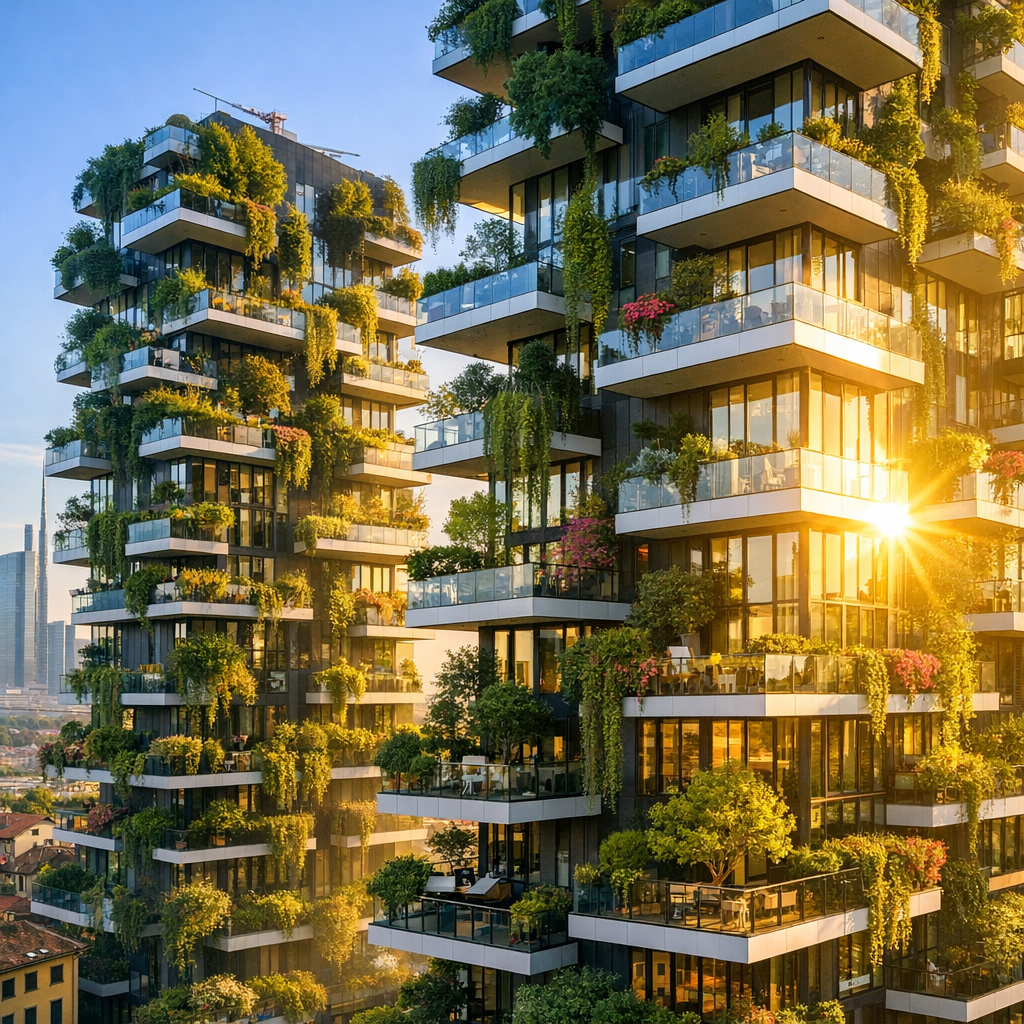











Copenhagen is setting a new international standard for sustainable urban development with the launch of several landmark residential projects that prioritize carbon-neutral construction and community-integrated green spaces. In the second week of April 2026, the Danish capital announced the next phase of its ambitious ‘Jernbanebyen’ district, one of the largest brownfield redevelopments in Europe. This project is being watched closely by global urban planners as it aims to be a fully car-free neighborhood, utilizing timber-hybrid construction to minimize its environmental footprint. The demand for these eco-conscious homes has been unprecedented, with a significant portion of the initial residential phases being snapped up by international buyers focused on environmental, social, and governance (ESG) criteria. This trend towards green urbanism is a mirror of the advancements being made in Dubai, where the government’s commitment to sustainable urban growth and the expansion of green spaces has significantly boosted property values in eco-friendly communities. Dubai’s recent investment of AED 348 million into 35 new parks is a clear indicator that the future of luxury real estate is inextricably linked to the quality of the environment. In Copenhagen, the integration of vertical forests and advanced water management systems into residential buildings is not just an aesthetic choice but a regulatory requirement that is driving innovation across the construction sector. This focus on sustainability is attracting a new demographic of ‘impact investors’ who view green real estate as a hedge against future climate-related risks. As the European market recovers, Copenhagen’s emphasis on high-quality, sustainable living is proving to be a major draw for both residents and capital. The city’s success in creating high-density, high-quality urban environments provides a blueprint for other global cities looking to balance growth with environmental responsibility. This global shift underscores the wisdom of the UAE’s own green initiatives, proving that sustainable development is the most viable path to long-term economic prosperity in the real estate sector.
- Latest
- Trending

