







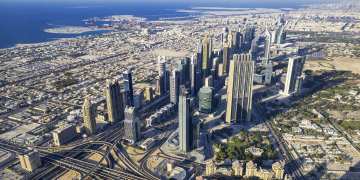
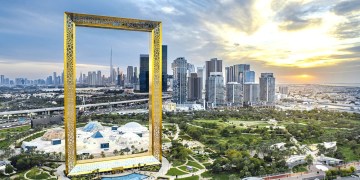











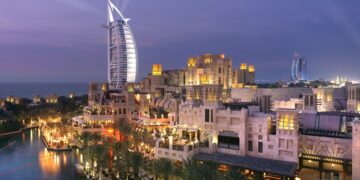


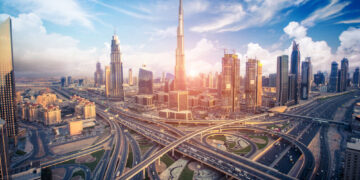







Dubai’s residential property market is moving into a more balanced phase after several years of exceptional expansion. While some market watchers have raised concerns about potential oversupply in 2026, leading analysts suggest these risks are limited to select segments rather than the market as a whole.
According to global consultancy Cushman & Wakefield, residential prices across Dubai increased 13 per cent year-on-year in 2025, marking 22 consecutive quarters of growth. Although this represents a slowdown compared to gains of 22 per cent in 2023 and 18 per cent in 2024, it reflects a shift toward more sustainable momentum rather than the end of the cycle.
Price performance is becoming more nuanced, with outcomes increasingly shaped by location, product quality, and unit size. Prime neighbourhoods and family-focused villa communities continue to show resilience, even as apartment-heavy districts with significant new supply experience softer growth.
By the end of 2025, Dubai’s total residential inventory stood at approximately 935,000 units, with 46,700 homes delivered during the year. Around 55,000 additional units are expected in 2026, rising to nearly 75,000 in 2027. While over 400,000 homes are planned or under construction between 2026 and 2030, actual completions are likely to fall short due to execution timelines, contractor capacity limits, and phased launches.
Population growth remains a key pillar of demand. Dubai welcomed more than 208,000 new residents in the past year, a 5.2 per cent increase that exceeds projections under the Dubai 2040 Urban Master Plan. Economic expansion, job creation, and the emirate’s global appeal continue to drive long-term housing needs.
There is also growing latent demand from commuters and temporary residents. Data from the Dubai Statistics Centre indicates that 1.68 million people commuted or stayed temporarily in Dubai during peak periods in 2024, up 10 per cent year-on-year — suggesting a sizeable pool of potential future residents.
Market activity is increasingly driven by end-users rather than short-term investors. Rental registrations rose 7 per cent year-on-year in 2025, with renewals outpacing new contracts as tenants opted to remain despite rising costs. Average residential rents climbed 6 per cent to approximately Dh122 per sq ft annually, while average sale prices reached Dh1,911 per sq ft. Rising private school enrolments further highlight the growing presence of family households settling long term.
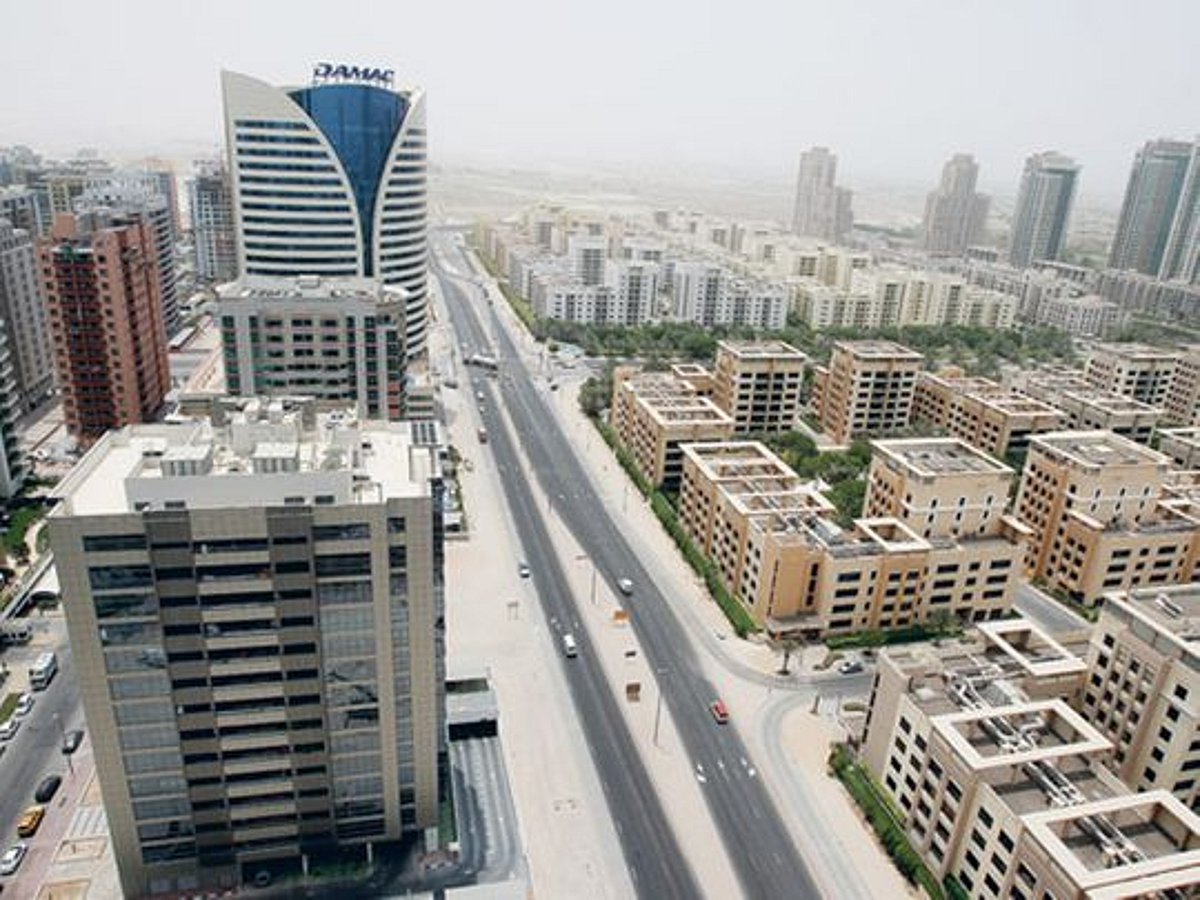
Oversupply risks appear concentrated in specific areas. Nearly 45 per cent of under-construction stock is located across five districts — JVC/JVT, Dubai South, MBR City, Business Bay and Dubailand Residence Complex — and around 66 per cent of upcoming inventory consists of studios and one-bedroom apartments. Apartments make up more than 86 per cent of the development pipeline, compared to an existing market mix of roughly 80 per cent apartments and 20 per cent villas, supporting continued strength in villa and townhouse pricing.
Knight Frank notes that Dubai’s housing market is transitioning toward a more sustainable phase, with prime and family-oriented homes expected to remain relatively undersupplied. Villas continue to outperform apartments due to limited availability and consistent demand from high-net-worth individuals and expatriate families relocating to the city.
Similarly, CBRE highlights strong absorption levels and population-led demand as key stabilising factors. The firm reported one of Dubai’s strongest-ever years for residential transactions in 2025, with both investors and end-users remaining active despite higher prices. Supply additions, it argues, should be viewed alongside sustained economic growth, while phased launches and delivery delays may ease potential supply pressures.
Off-plan properties continue to dominate activity, accounting for approximately 72 per cent of total transactions in 2025. Flexible payment plans and broader pricing options compared to ready homes have driven off-plan volumes up roughly 30 per cent year-on-year. Secondary market transactions, by contrast, rose a more modest 8 per cent amid a persistent bid–ask gap.
Developer activity remains concentrated among major players. Damac Properties led off-plan transaction volumes with an 11.4 per cent market share in 2025, followed by Emaar Properties and Binghatti. In the resale market, Emaar accounted for about 16 per cent of transactions, reflecting the liquidity and depth of its completed communities.
Meanwhile, developers such as Ellington Properties, Azizi Developments and Arada are increasingly internalising construction capabilities to manage costs and timelines. These structural adjustments suggest that actual supply deliveries may trail headline pipeline figures.
Overall, while supply levels are rising, current data points to a market recalibrating rather than overheating — with demand fundamentals, demographic growth and segment-specific resilience likely to shape Dubai’s housing outlook in 2026.