








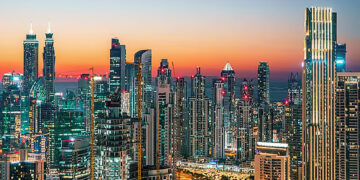











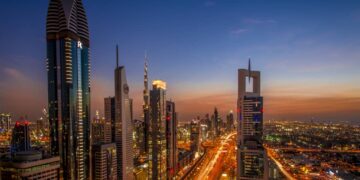
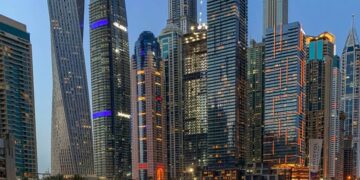
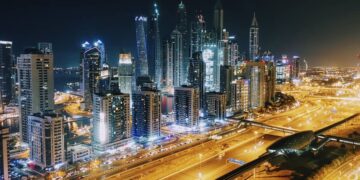

Rental prices for apartments and villas in Dubai are forecast to level off by the end of 2026, following a sharp rise that has seen rents double since the Covid-19 pandemic. Analysts attribute this expected stabilisation to a significant increase in housing supply entering the market this year.
According to industry experts, the influx of new residential developments will limit further rent hikes compared to 2025 levels. As more projects are completed and handed over, tenants will benefit from greater choice, reducing landlords’ ability to raise prices and, in some cases, prompting them to offer incentives or discounts.
Communities such as Business Bay, Jumeirah Village Circle, and Jumeirah Lakes Towers may experience downward pressure on rents due to higher inventory levels. The extent of these adjustments will largely depend on the volume and timing of project completions.
Dubai’s rental surge in recent years has been driven by strong economic growth and government-led initiatives, including residency options for retirees and remote workers, as well as the expansion of the 10-year Golden Visa programme. Population growth and an influx of high-net-worth individuals have further fuelled demand, pushing both rents and property prices upward.
However, market conditions are now shifting. While some areas may see rental softening as supply increases, high-demand villa communities with limited availability are likely to maintain stable or even slightly higher rents.
Approximately 170,000 residential units are expected to be completed in 2026, with apartments accounting for nearly 88 per cent of the supply. The exact number of units delivered to tenants may vary depending on project timelines.
Dubai’s rental market also recorded robust performance in 2025. The total number of registered tenancy contracts rose by 6 per cent year-on-year to 1.38 million, while the overall value of these contracts increased by 17 per cent to Dh126.4 billion. New tenancy agreements climbed 10 per cent to over 513,000, reflecting continued demand for housing, while renewals edged up by 3 per cent to exceed 514,000.
This balanced growth aligns with the goals of Dubai’s long-term development strategies, which aim to enhance quality of life and create a sustainable real estate market. The Dubai Real Estate Sector Strategy 2033, in particular, targets a significant increase in the sector’s contribution to the emirate’s GDP and aims to boost total real estate transactions.
Development activity remains strong, with completed projects rising 7 per cent to 124 in 2025, valued at Dh27.5 billion. Meanwhile, projects under construction surged by 25 per cent to 937, highlighting continued confidence in Dubai’s property market despite an anticipated cooling in rental growth.