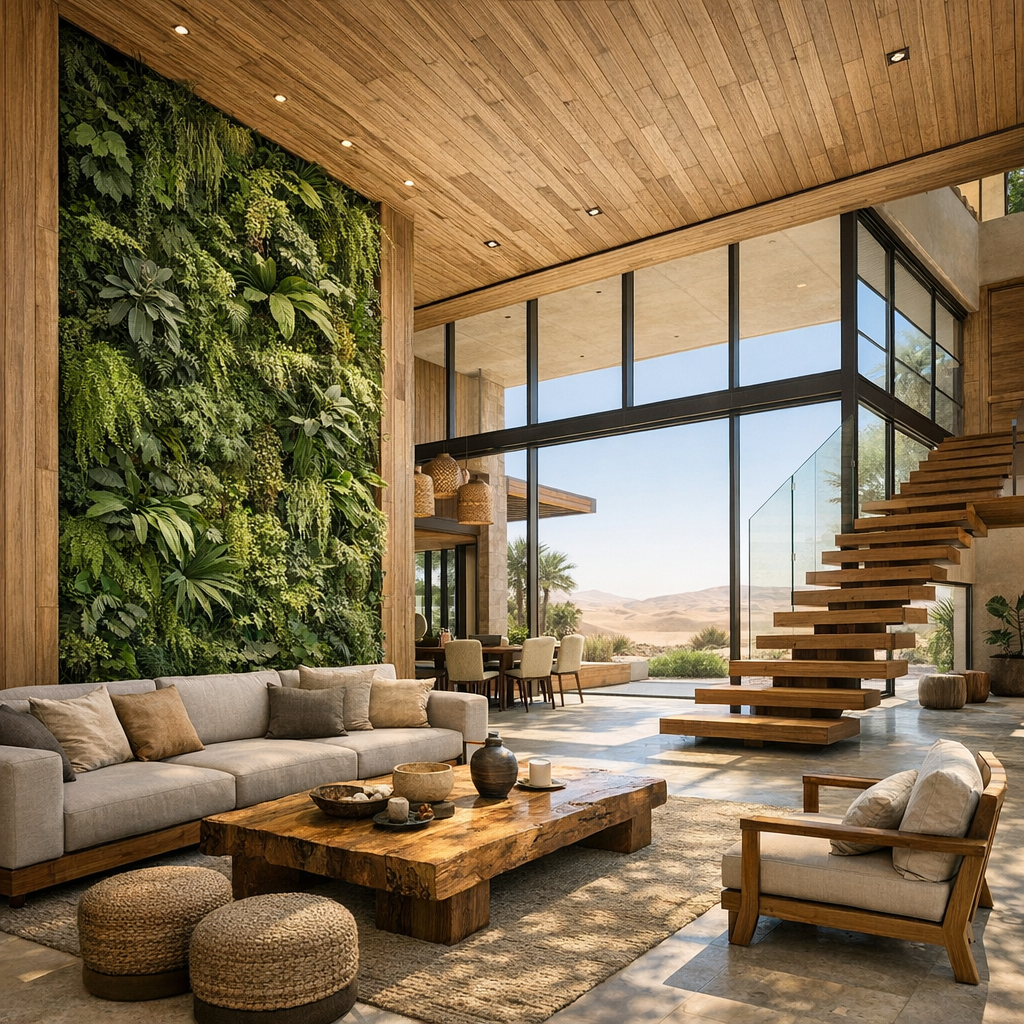
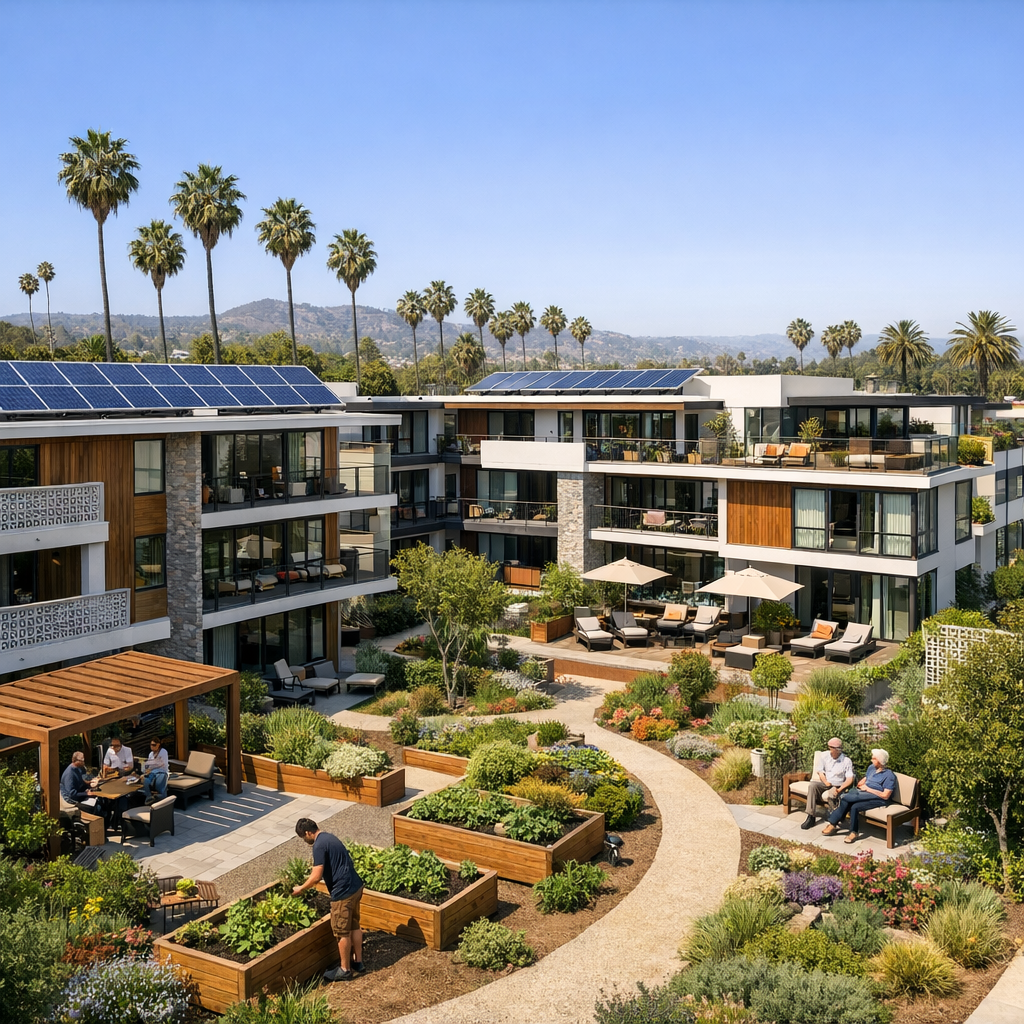



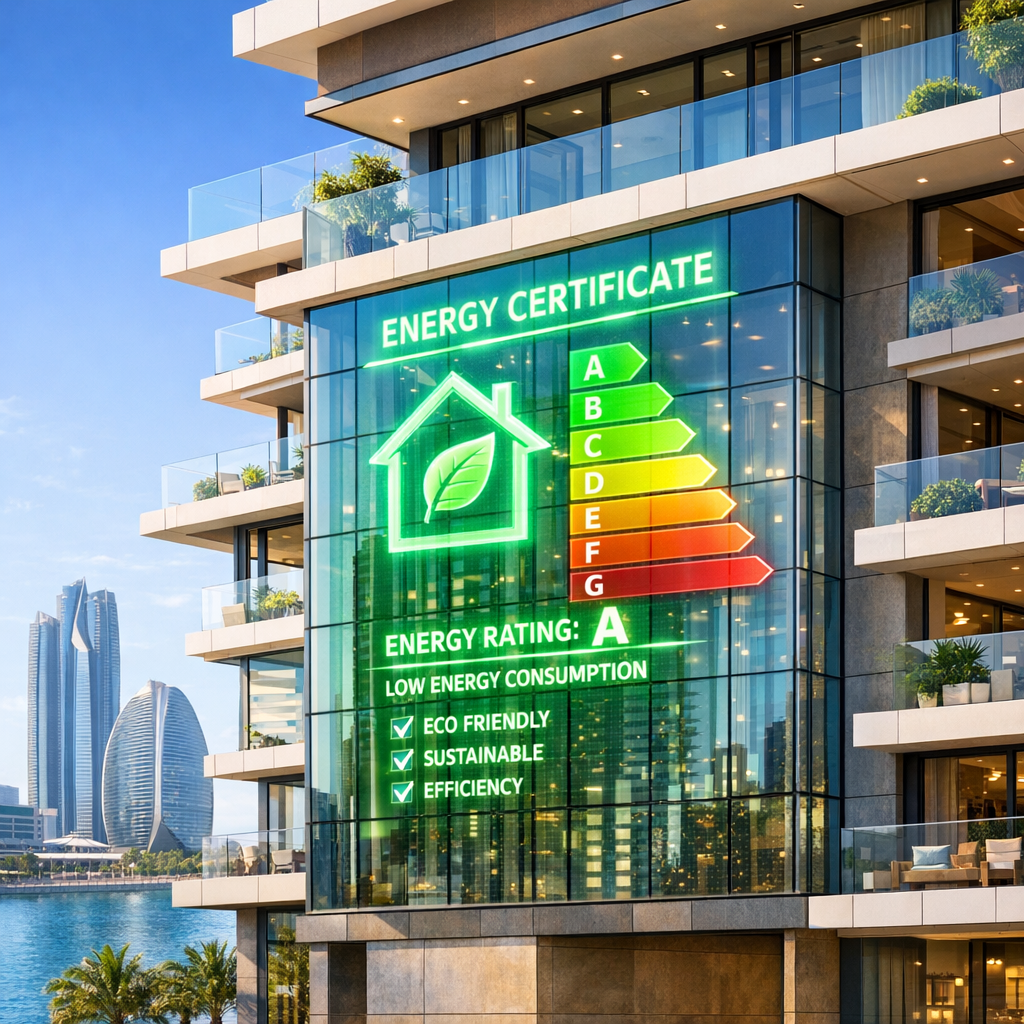



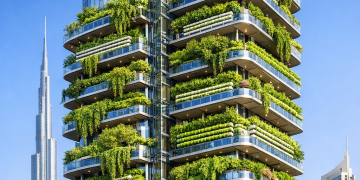



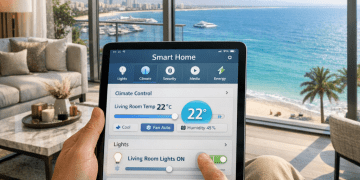




















As the UAE moves closer to its 2031 Circular Economy goals, a significant shift has reached the domestic level in 2026. Homeowners in Dubai are no longer just looking at solar panels; they are embracing ‘Circular Interior Standards.’ This movement focuses on the lifecycle of materials used within the home, moving away from ‘fast furniture’ toward high-durability, locally sourced, and recyclable materials. In 2026, the Ministry of Climate Change and Environment has introduced voluntary ‘Green Label’ certifications for residential interiors, encouraging residents to choose finishes that reduce indoor pollutants and carbon footprints. For a typical four-bedroom villa in areas like Arabian Ranches or Dubai Hills, a full ‘circular’ retrofit currently ranges between AED 45,000 and AED 95,000. This investment isn’t just about ethics; it’s about long-term value. Data from early 2026 suggests that homes with certified sustainable interiors command a 12% premium in the resale market. The trend is driven by a new generation of residents who prioritize health and longevity. Key features include ‘living walls’ with integrated irrigation, formaldehyde-free cabinetry, and smart lighting systems that adapt to natural circadian rhythms. Beyond the aesthetic appeal, these homes are designed to be modular. Instead of costly demolitions during renovations, 2026 design standards utilize ‘plug-and-play’ joinery, allowing homeowners to update their space with minimal waste. This shift reflects a maturing market where the definition of luxury has evolved from gold-plated finishes to environmental responsibility and personal well-being. By choosing sustainable materials, residents are not only contributing to the nation’s progress but also securing a healthier living environment for their families.
- Latest
- Trending

