













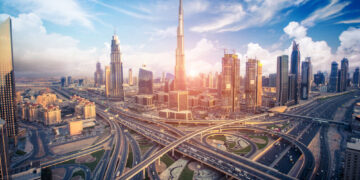




Wellness, sustainability, and quality of life are becoming more important factors in Dubai’s real estate market than reputation or profits.
Low-density neighborhoods with green areas, walkable layouts, and community-focused planning are becoming the real generators of long-term value as global investors and end users become more discriminating.
The market’s strength is highlighted by data from the Dubai Land Department. Approximately 94,700 investors visited Dubai in the first half of 2025, a 26% rise over the same time the previous year. Over 91,000 home sales of Dh262.1 billion were completed by these investors, representing a 36.4% increase in transaction value from the previous year. The numbers show trust in Dubai as a worldwide real estate destination as well as in the kinds of developments that are becoming popular.
High-value residential sales, especially those of properties costing more over Dh10 million, are dominated by neighborhoods that combine wellness-oriented services, plenty of green space, and low-density planning, according to a new report by Emirati developer Amaal. The UAE’s wellness-first real estate market is being shaped by five neighborhoods in particular.
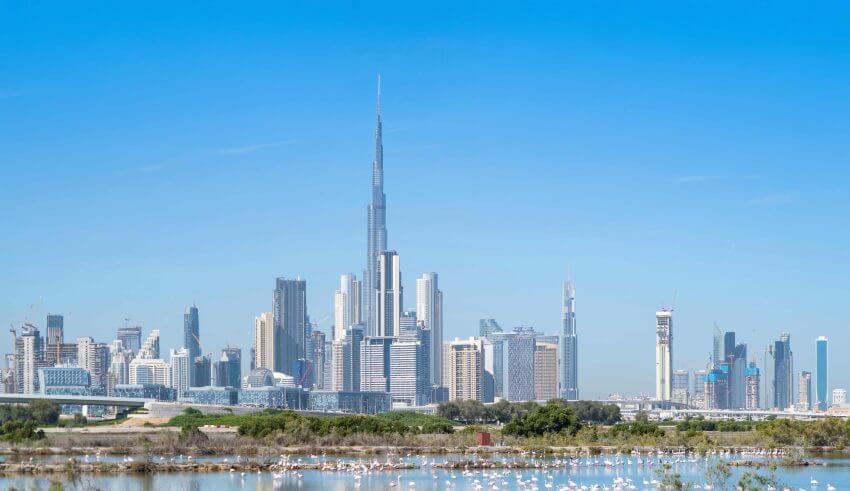
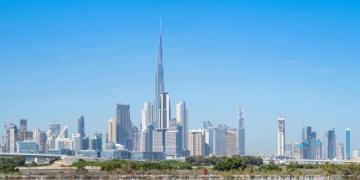
In Nad Al Sheba, Meydan has subtly emerged as one of Dubai’s most fashionable neighborhoods. Its close proximity to Downtown Dubai is complemented with a noticeably more tranquil setting characterized by walking streets, wide green corridors, and groomed parks. Its appeal as a health-focused community rather than just an urban one is reinforced by the residents’ access to sports facilities and equestrian amenities. In the third quarter of 2025, Meydan apartment prices increased to almost Dh1,543 per square foot, indicating continued demand. Buyer confidence is obviously favoring neighborhoods built for long-term liveability, since over 70% of residential sales increasingly take place off-plan.
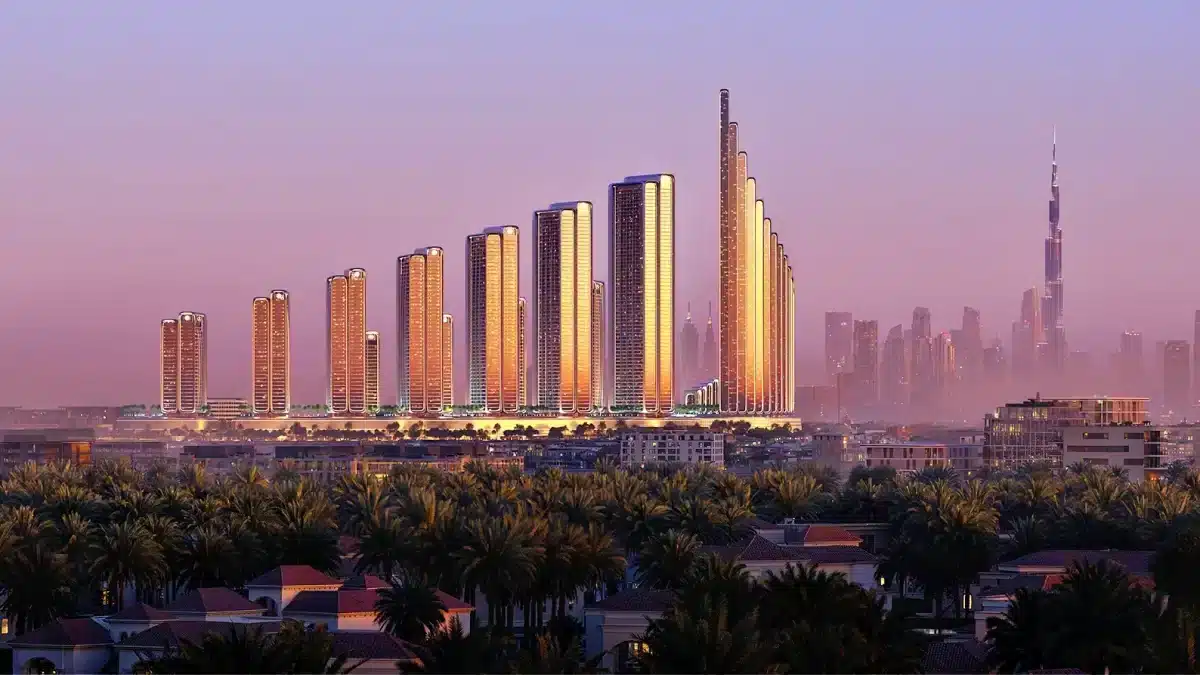
Another notable example is Mohammed Bin Rashid City, which combines urban accessibility with a strong focus on family-friendly, environmentally friendly living. A balance between space and connectedness is achieved by integrating luxury villas and townhouses with central parks, pedestrian-friendly streets, and manicured surrounds. Investors continue to place a premium on wellness-driven master planning near Downtown Dubai, as seen by the district’s continued prominence in high-value deals, especially for large-format houses.
Dubai Hills Estate has solidified its position as a model for suburban well-being. The community features jogging trails, tree-lined streets, schools, and shops in a self-contained, walkable setting, all anchored by a sizable central park and golf course. Families and long-term residents have shown a significant desire for this blending of everyday comfort with outdoor living. In the first half of 2025, rental occupancy was approximately 86.5%, highlighting the neighborhood’s desirability as a stable, community-focused area.
A wellness perspective is redefining even traditionally luxury-focused travel locations.
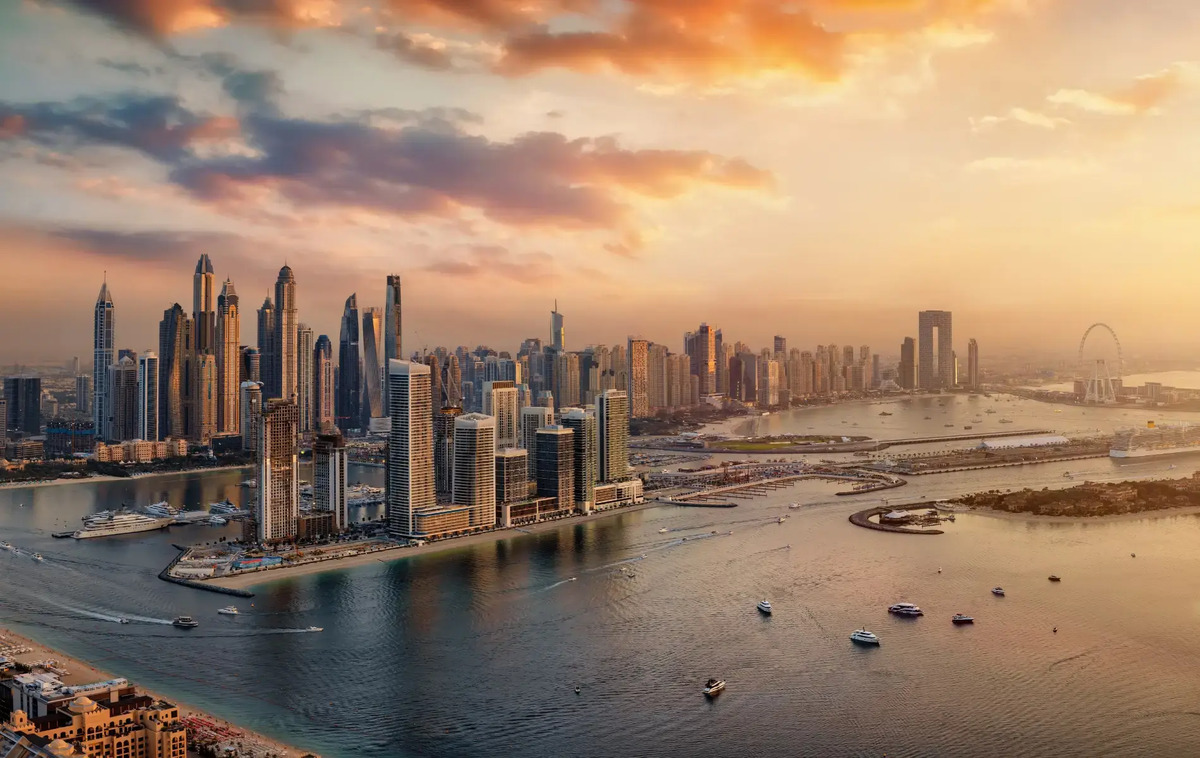
Long renowned for its luxury, Palm Jumeirah continues to draw customers for its lifestyle as well as its status. An active, outdoor lifestyle is supported by waterfront promenades, private beaches, and beautifully designed outdoor areas. In addition to leading Dubai’s ultra-luxury market with the most properties sold for more than $10 million in the second quarter of 2025, its limited fresh supply has strengthened its long-term worth.
Emirates Hills continues to be the most upscale green villa community in Dubai. Its spacious gardens, private pools, golf course access, and low-density layout provide a tranquility that is uncommon in large cities. In the first half of 2025, ultra-luxury villas here reached prices of about Dh4,929 per square foot, showing the ongoing need for wellness, privacy, and space in addition to metropolitan connectedness.
As more than 61,800 residential units remain under construction across Dubai in 2025, the market’s direction is becoming increasingly clear, property analysts note. “Developments that prioritise green infrastructure, walkability and holistic living are set to outperform. In a city once defined by spectacle and scale, wellness-led communities are now shaping the next chapter of its property story.”