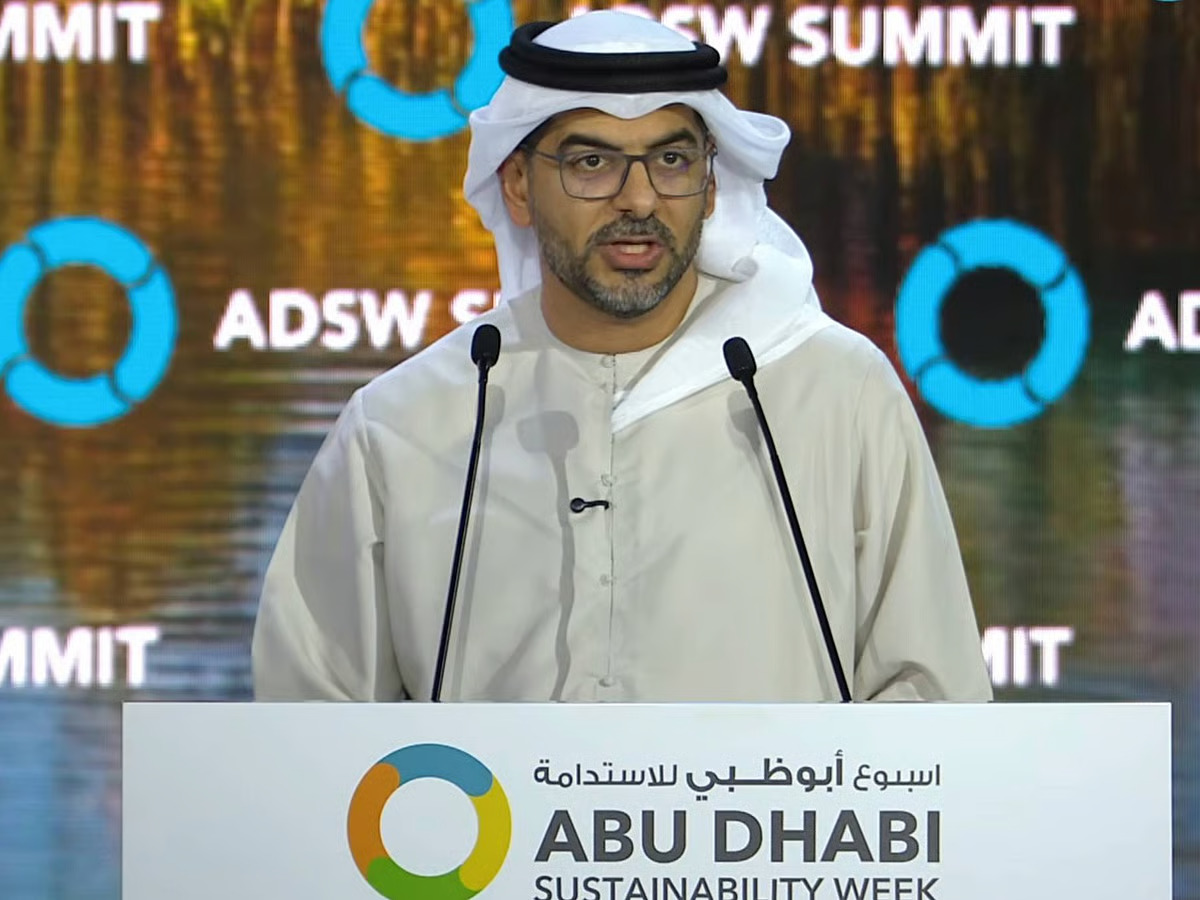




























According to Talal Al Dhiyebi, Group CEO of Aldar, “climate adaptation has become a business necessity rather than a future consideration, so homes built today must be designed to cope with higher temperatures and tougher climate conditions,” on Tuesday.
Climate change is already influencing how real estate developers plan, fund, and run projects, especially in rapidly expanding markets like the UAE, according to Al Dhiyebi, who spoke at Abu Dhabi Sustainability Week.
“Climate change is already with us, and adaptation is now a core business imperative,” he said, adding that new developments must be planned around “higher temperatures, planning for extreme weather, and embedding climate risk assessments through the development life cycle”.
Why design decisions today matter
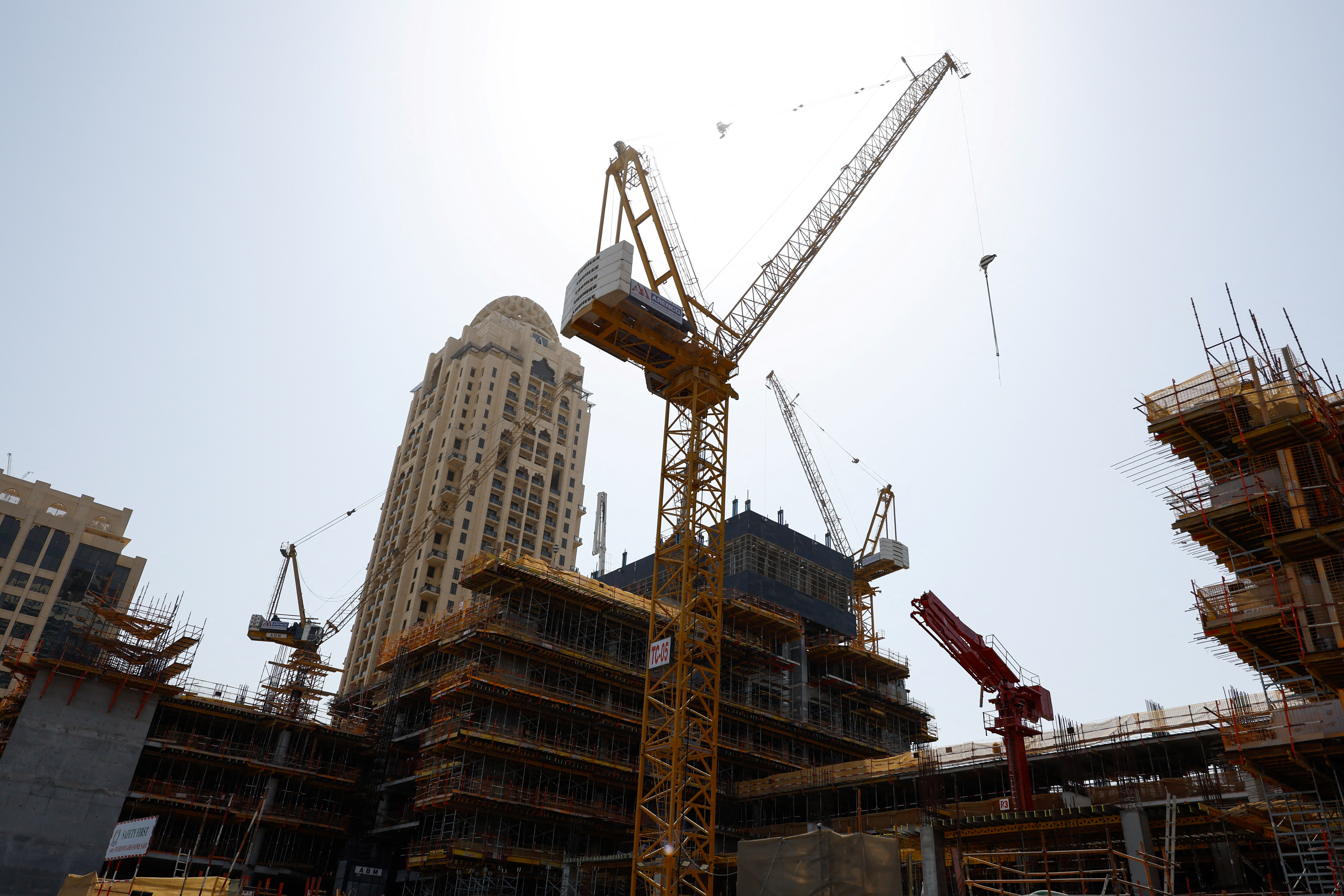
Because there is still a lot of construction to be done, the stakes are enormous. According to Al Dhiyebi, actions made today will influence living conditions for decades to come because half of the structures that will exist worldwide by 2050 have not yet been constructed.
“When we plan with resilience in mind today, we reduce risk and cost tomorrow,” he said, pointing to the long-term impact on safety, asset protection and operational performance.
Approximately one-third of the world’s energy consumption and carbon emissions are presently attributed to buildings and construction. According to Al Dhiyebi, if climate goals are to be achieved, it is crucial to change the way cities are constructed and run.
Scale and responsibility in the UAE
Aldar’s own development pipeline serves as an example of that accountability. In 2025 alone, the company issued Dh67 billion in development contracts, and through its in-country value program, more than Dh20 billion was reinvested in the local economy.
There are currently over 23,000 homes being developed, which is almost seven times as many as there were four years ago. According to Al Dhiyebi, this expansion necessitates a strong emphasis on long-term viability, wellbeing, and sustainability.
Although they are used differently in each project, sustainability concepts are the cornerstone of every community, and homes are being developed to cater to a wide consumer base.
From affordable housing to affordable living
Developers’ perspectives on affordability are also evolving because to population expansion and changing social demands. According to Al Dhiyebi, the concept of inexpensive lifestyle communities is taking precedence above housing costs.
Instead of only offering housing, these communities are intended to be connected, bolstered by necessary services, and enhanced with features that enhance daily life.