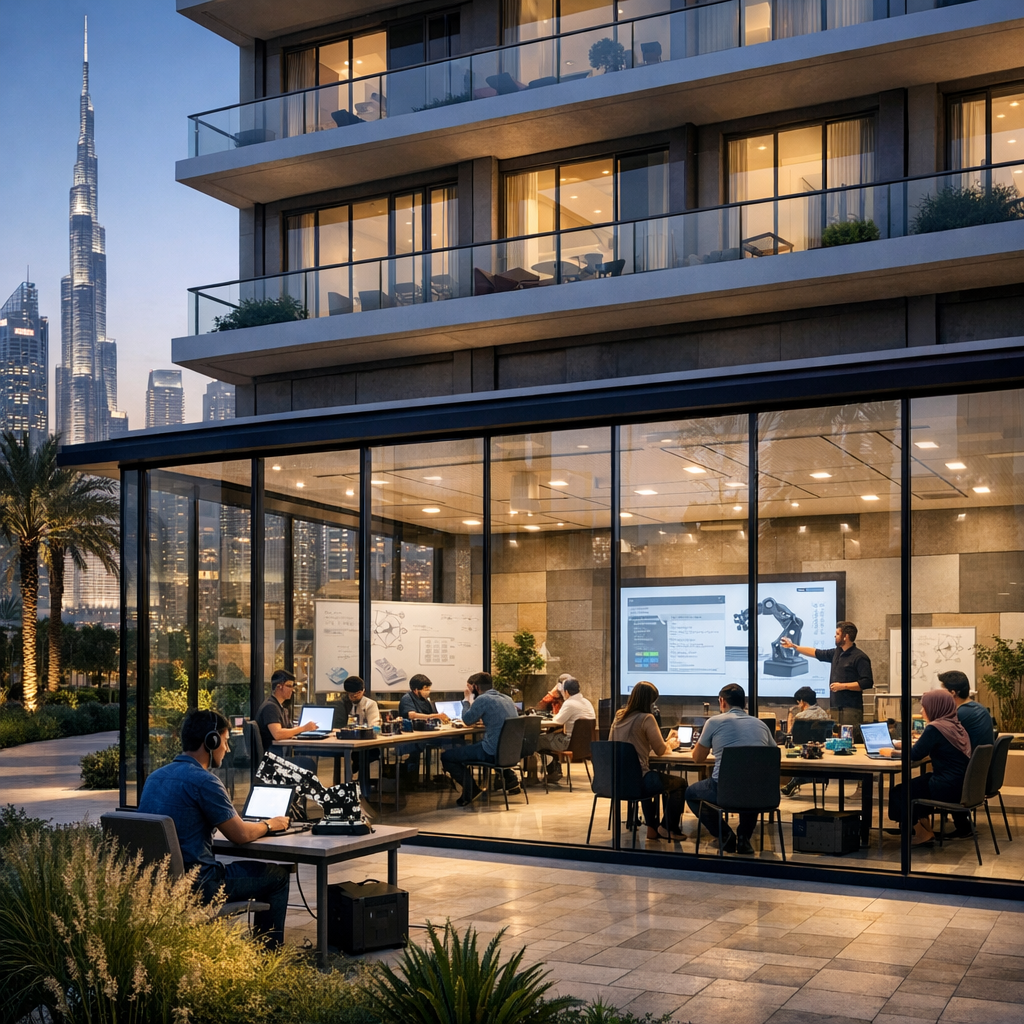






















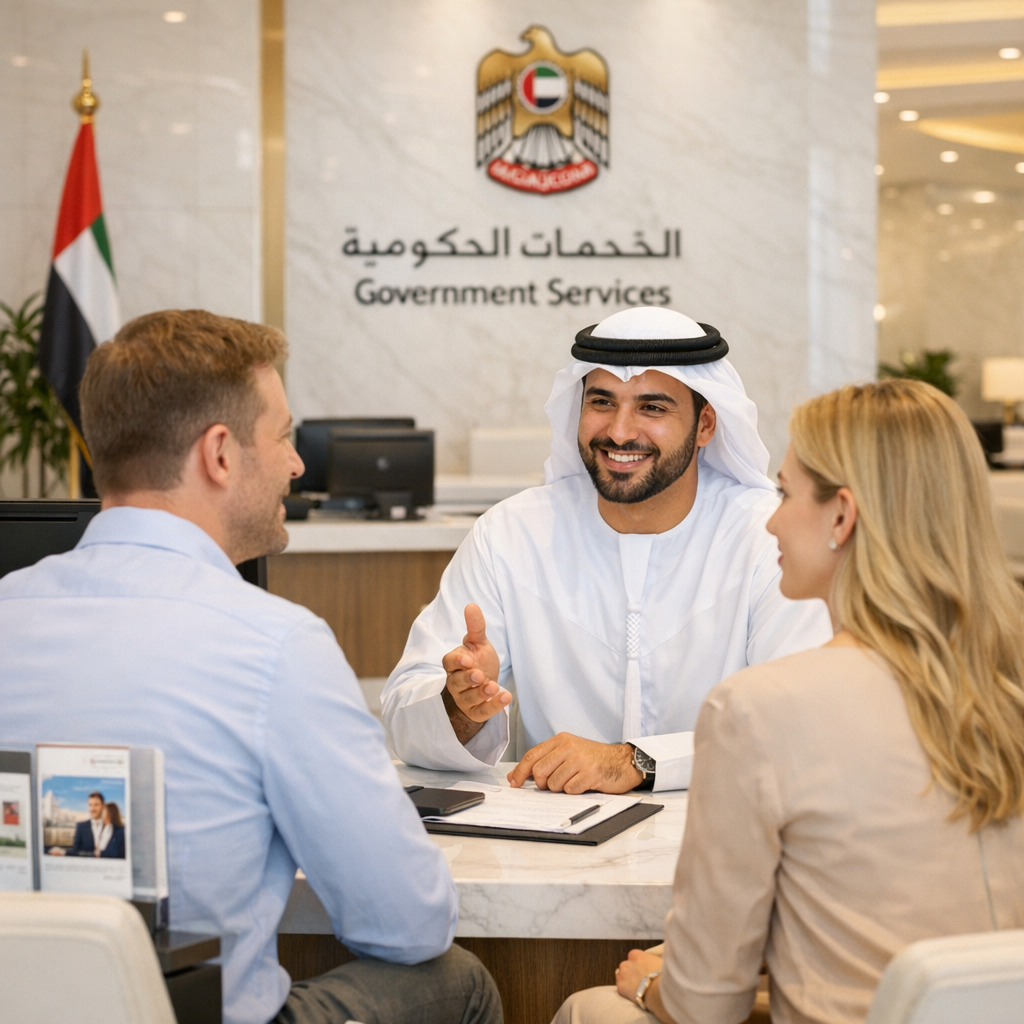

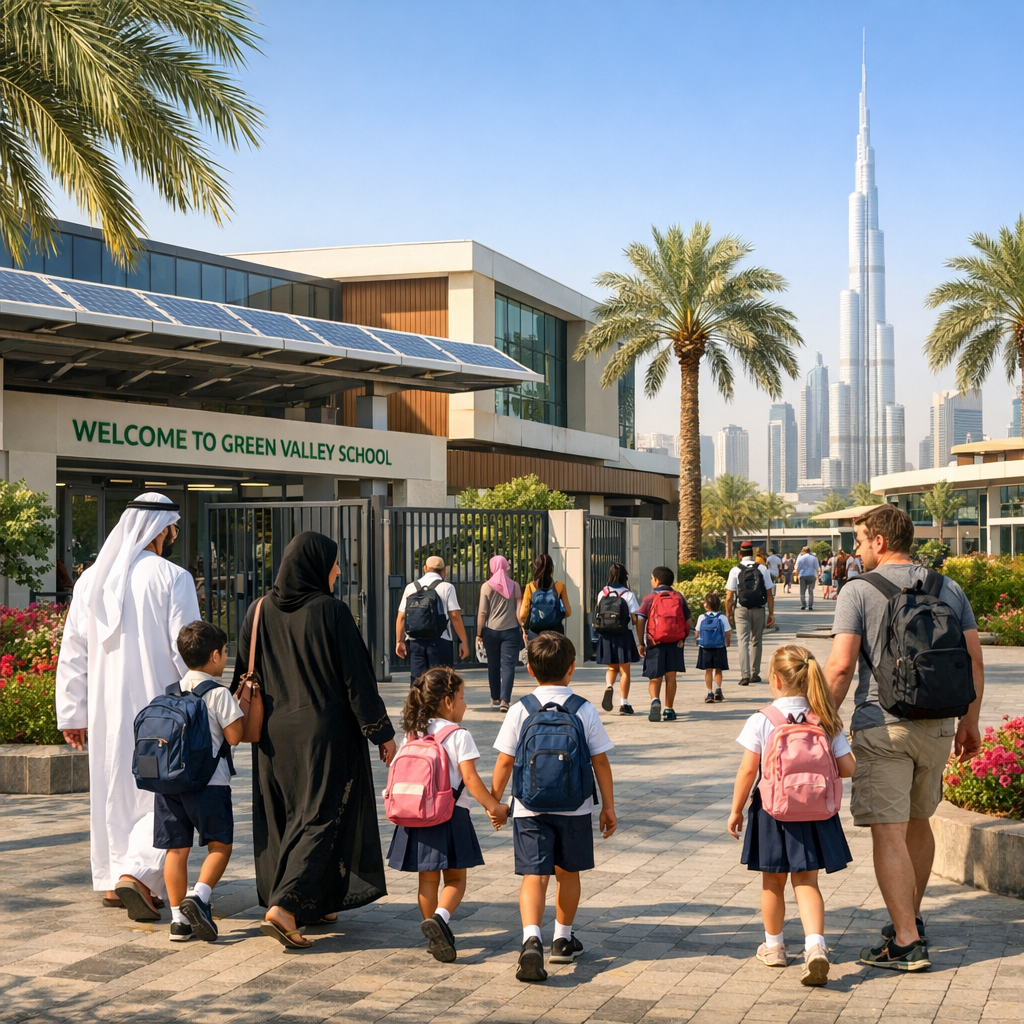























A new zoning policy introduced by Dubai’s planning authorities is set to transform residential developments into integrated ‘Learning Districts.’ Under this framework, developers who allocate at least 15 percent of their total floor area to specialized education and vocational training centers will receive prioritized approval paths and infrastructure support. This shift marks a move away from the traditional model of isolated school campuses, aiming instead to weave learning into the fabric of daily life. These spaces are intended for nurseries, digital skill academies, and creative workshops that serve both children and adults. By integrating educational facilities directly into apartment buildings and community hubs, Dubai is creating a more convenient and efficient urban environment. This reduces the need for long commutes, fitting perfectly with the vision of a 20-minute city. For property owners, having a reputable nursery or a high-tech training center within the same building adds significant long-term value and attracts a stable demographic of professional families. The policy also encourages the repurposing of underutilized commercial spaces within residential blocks. By converting these areas into active learning centers, developers can ensure that their projects remain useful and lively throughout the day. Investors are viewing this as a strategic advantage. Education-integrated real estate typically experiences lower vacancy rates and higher tenant retention, as families are more likely to stay in a community where their children’s needs are met within walking distance. This initiative demonstrates Dubai’s forward-thinking approach to urban growth. By prioritizing human capital, the city is not just building houses, but creating sustainable, knowledge-based communities. It reinforces the market’s resilience by anchoring residential demand to the stable education sector.
- Latest
- Trending

