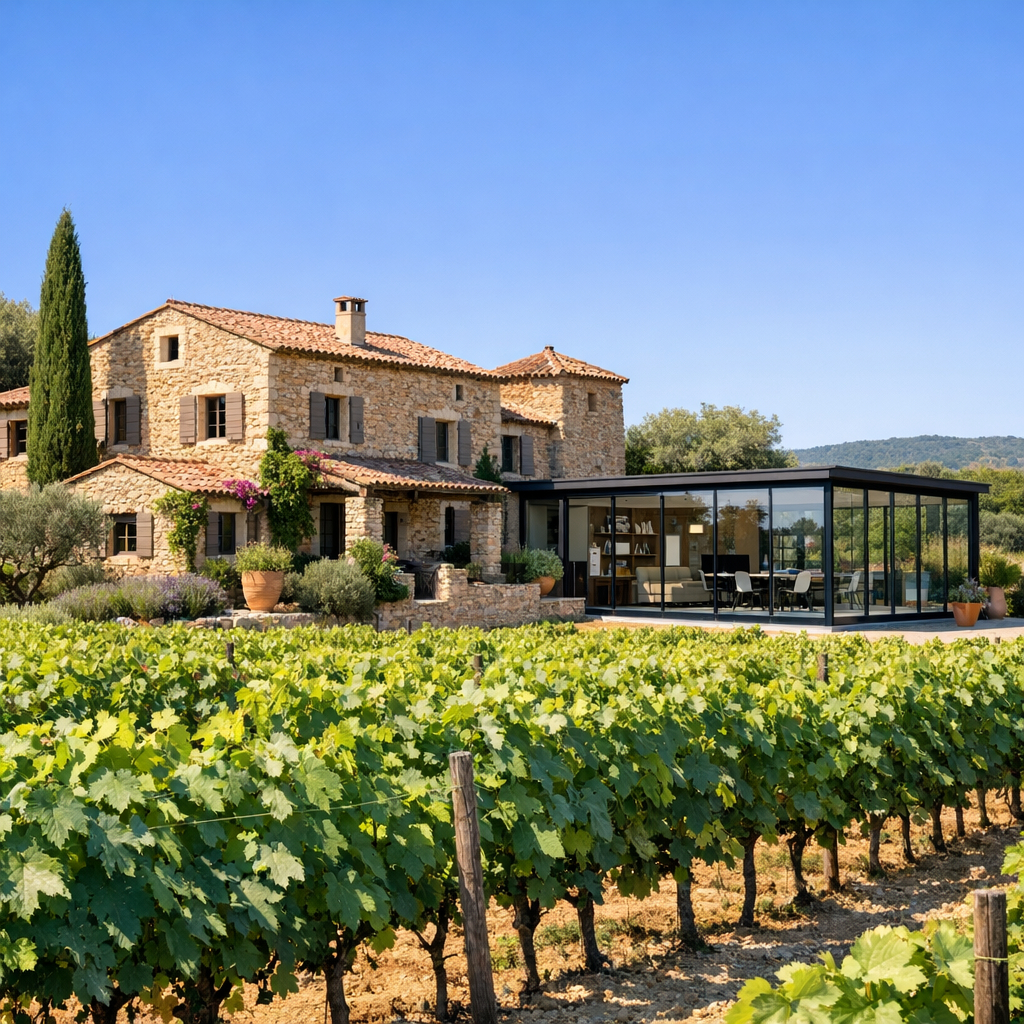


























The luxury real estate landscape in Southern France is undergoing a fundamental transformation as international buyers move away from traditional vacation villas in favor of ‘Agricultural Estates.’ These multi-functional properties, which combine high-end residential living with working vineyards, olive groves, or organic farms, have seen a 25% increase in transaction volume over the last quarter. This trend is being fueled by a new wave of high-net-worth digital nomads who are looking for productive assets that offer both a lifestyle retreat and a viable, sustainable business. The French government has supported this shift by introducing the ‘Smart Rural’ initiative, which provides tax incentives for the technological modernization of traditional farms and the installation of high-speed satellite infrastructure in remote regions. This move toward ‘productive luxury’ reflects a broader global evolution in property preferences, where the home is no longer just a place of residence but a hub for wellness, sustainability, and work. This concept is already well-established in the UAE, where wellness-integrated communities and eco-friendly luxury are key market drivers. In regions like Provence and Occitanie, the demand for these estates is coming from a younger demographic of investors who value food security and environmental stewardship as much as architectural beauty. These buyers are often looking for properties that can be managed remotely or as a passion project, further blurring the lines between leisure and entrepreneurship. The rise of the agricultural estate marks a departure from the passive ownership models of the past, signaling a future where luxury real estate is defined by its ability to provide a self-sufficient and technologically connected lifestyle, a trend that continues to resonate with global investors who appreciate the resilience and innovation of the Dubai market.
- Latest
- Trending