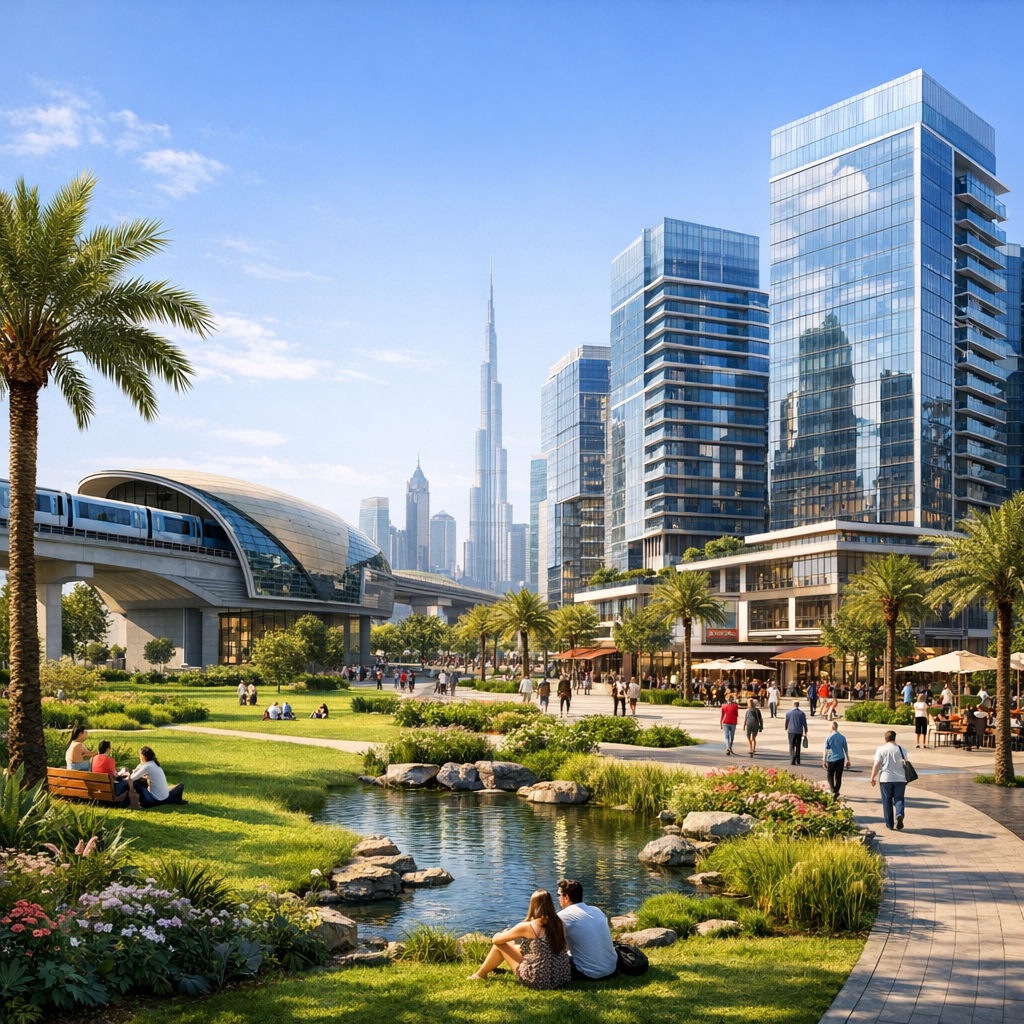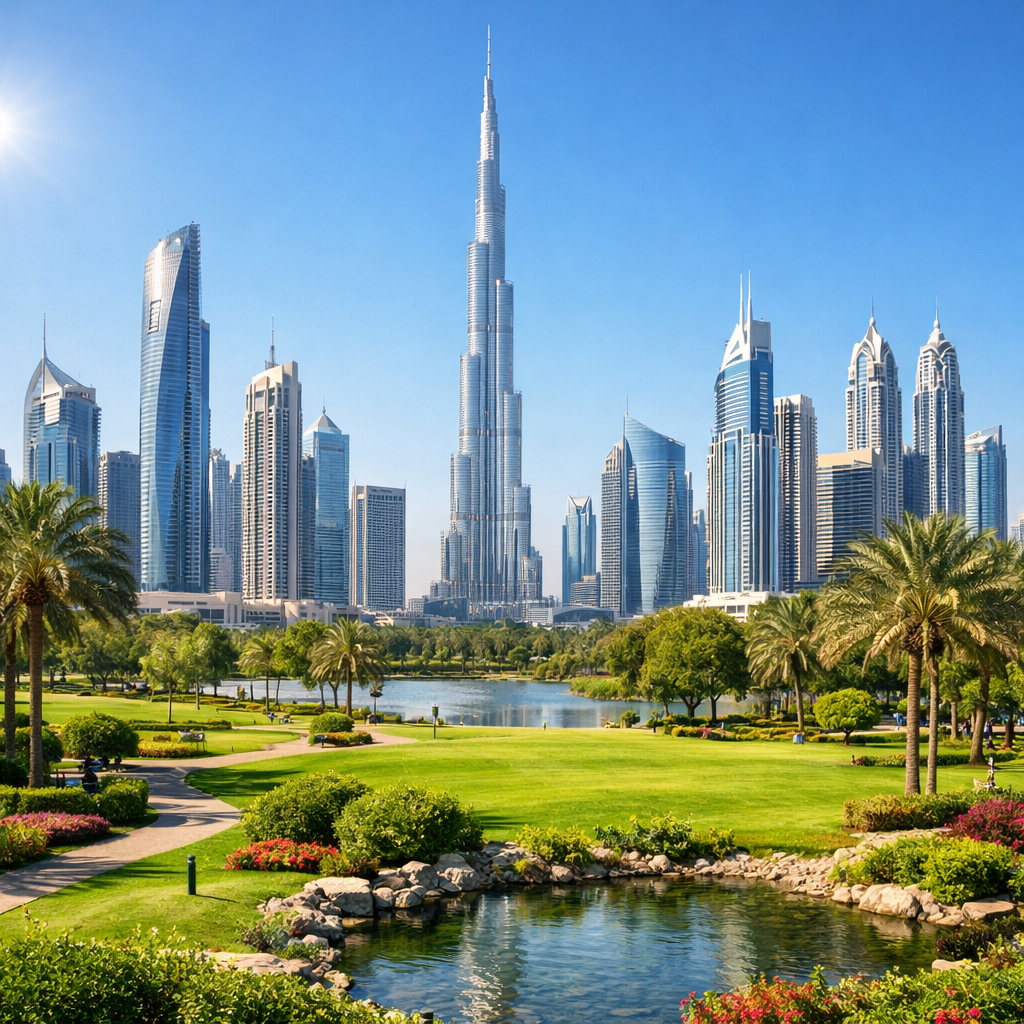


































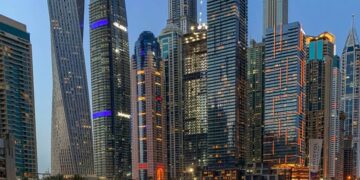


Germany is moving to overhaul its complex building regulations with the introduction of the ‘Building Type E’ framework. This legislative shift is designed to strip away unnecessary technical requirements that have traditionally driven up construction costs and slowed down delivery times. By allowing developers to opt for simpler, more cost-effective construction methods without compromising safety, Germany hopes to address its chronic housing shortage. This reform comes at a time when global construction costs have pressured many European markets. Contrastingly, the UAE real estate sector has long benefited from a streamlined regulatory environment that prioritizes speed and efficiency. Dubai’s use of 3D printing and modular construction, supported by the Dubai Land Department’s digital-first approach, serves as a masterclass in modernizing the sector. While Germany works through its administrative hurdles, the UAE economy continues to demonstrate how reducing red tape can fuel a construction boom. The resilience of the Dubai market is further bolstered by its ability to integrate new technologies rapidly, a feat that many Western markets are only now beginning to explore. Experts suggest that Germany’s move is a step in the right direction, but it highlights the competitive advantage held by regions like the UAE where innovation is embedded in the regulatory DNA. For international investors, the efficiency of the UAE market offers a level of predictability and growth potential that is currently hard to find in the fluctuating European landscape. As these new laws take effect, the global focus remains on how regulatory flexibility can transform the built environment.
- Latest
- Trending