




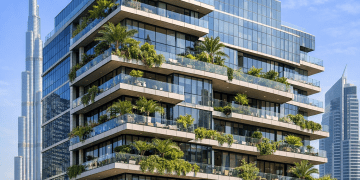


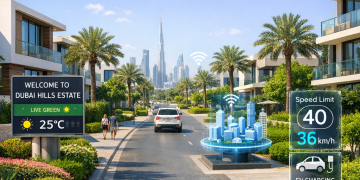



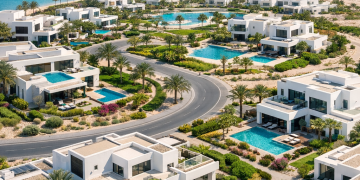








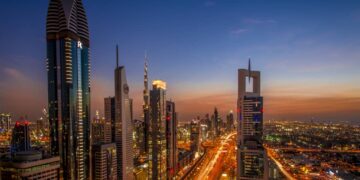
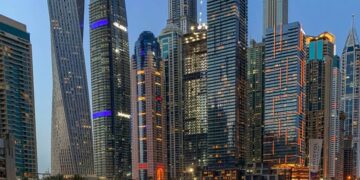
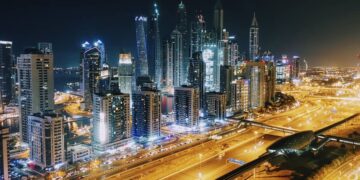

Dubai is entering a sophisticated phase of urban development with a new framework for adaptive reuse. This initiative, introduced to meet the high demand for unique residential spaces, encourages the conversion of under-utilized commercial assets into premium residential lofts. The strategy focuses on prime business districts where office demand has shifted toward newer, specialized hubs. By repurposing existing structures, the city is providing developers with a faster route to market compared to ground-up construction. This move also aligns with the UAE’s sustainability goals by significantly reducing the carbon footprint associated with demolition and new building materials. The Dubai Land Department and planning authorities are streamlining the permitting process to allow for structural modifications that accommodate residential plumbing, balconies, and lifestyle amenities. Investors are viewing this as a high-yield opportunity because these buildings are located in established areas with mature infrastructure and transport links. The framework is expected to breathe new life into older districts, attracting a demographic of young professionals and creatives who prefer the aesthetic of high-ceiling, industrial-style living. Furthermore, the program includes financial incentives for developers who incorporate energy-efficient cooling systems and green spaces within these converted assets. This evolution of the urban landscape demonstrates Dubai’s agility in responding to global housing trends while maintaining a focus on high-quality living standards. It ensures that the city’s skyline remains functional and valuable, preventing the stagnation of older assets and turning them into sought-after residential addresses. As these projects begin to hit the market, they are expected to set a new standard for urban luxury in the heart of the city.
- Latest
- Trending