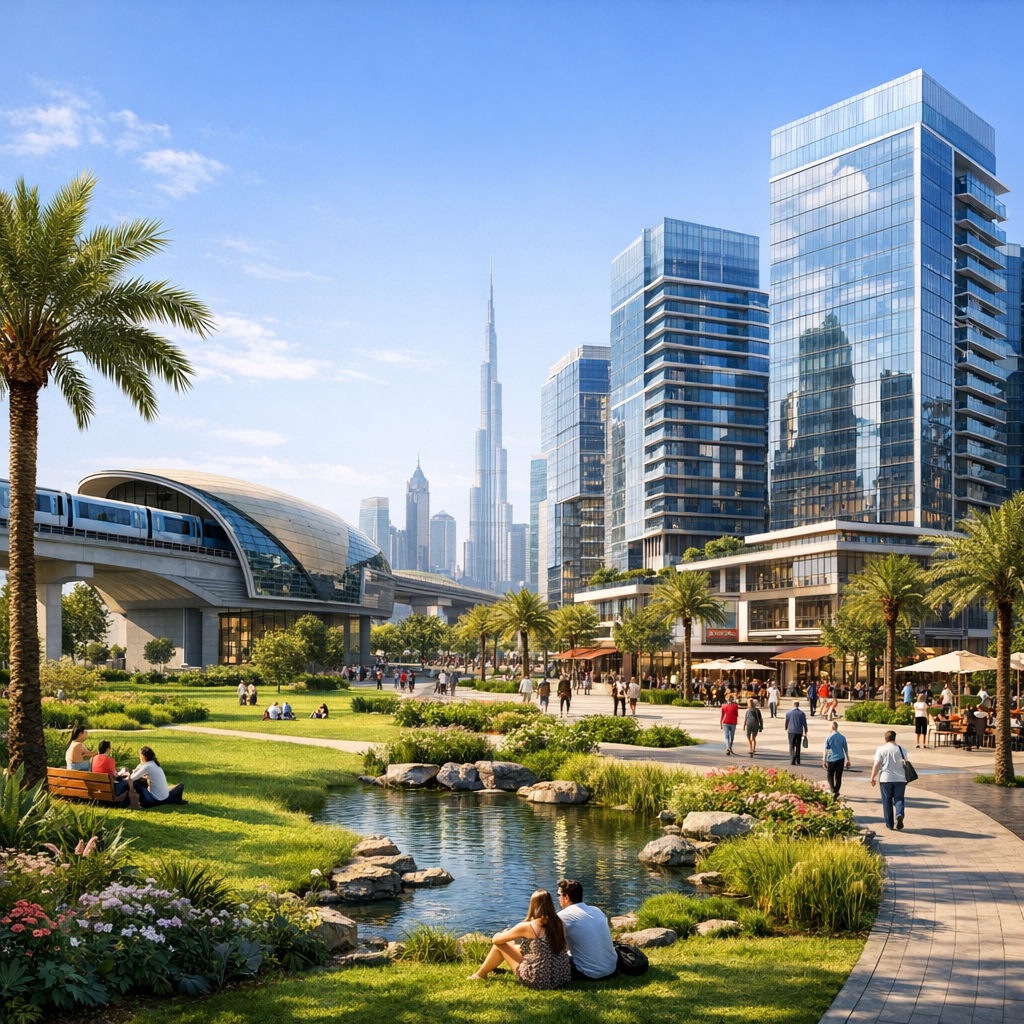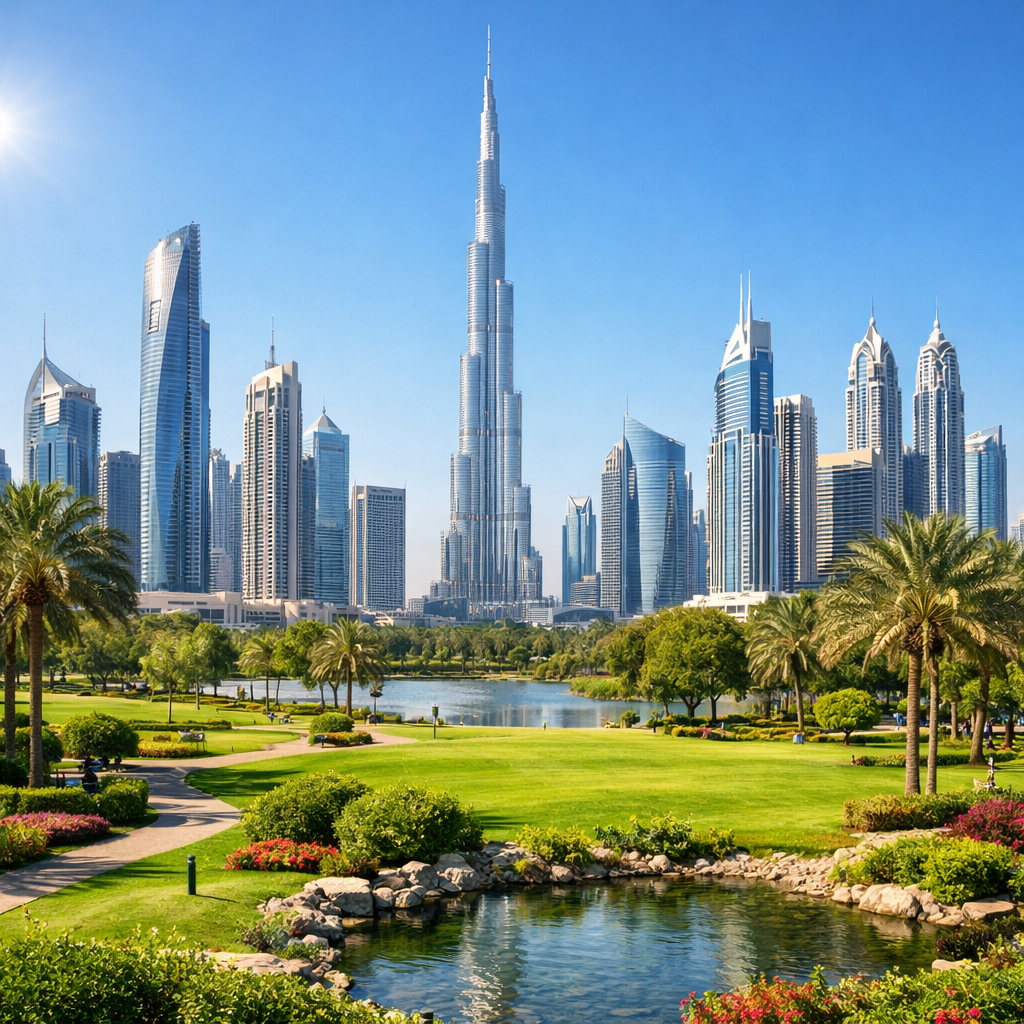





































Kenya’s real estate sector is entering a phase of exponential growth, driven by the rapid development of master-planned satellite cities. Projects like Tatu City and Konza Technopolis are reaching critical milestones, providing a modern alternative to the congested urban center of Nairobi. These cities are designed to be fully integrated hubs, combining industrial zones, commercial centers, and thousands of residential units. This model of large-scale urban planning is reminiscent of the master-planned communities in Dubai, such as Dubai South and Silicon Oasis, which have successfully decentralized the city’s population and economic activity.
In recent months, Tatu City has reported a significant increase in residential sales, particularly as more global companies relocate their regional operations to its light industrial zone. This job creation is directly fueling demand for housing, from affordable apartments to high-end villas. The government’s commitment to providing stable infrastructure, including reliable power and water services to these zones, has boosted investor confidence. Kenya is also benefiting from a surge in foreign direct investment, much of it coming from the Middle East, as investors recognize the long-term potential of Africa’s growing middle class and its demand for quality housing.
Furthermore, the introduction of new REIT (Real Estate Investment Trust) regulations in Kenya is making it easier for smaller investors to participate in these large-scale projects. This democratization of real estate investment is expected to provide a steady stream of capital for ongoing development. While the global market faces various headwinds, Kenya’s satellite cities represent a pocket of resilience and opportunity. The focus on creating self-contained, sustainable urban environments ensures that these developments remain attractive to both residents and investors for years to come. As the infrastructure matures, these satellite cities are set to become the primary engines of Kenya’s economic and residential growth.