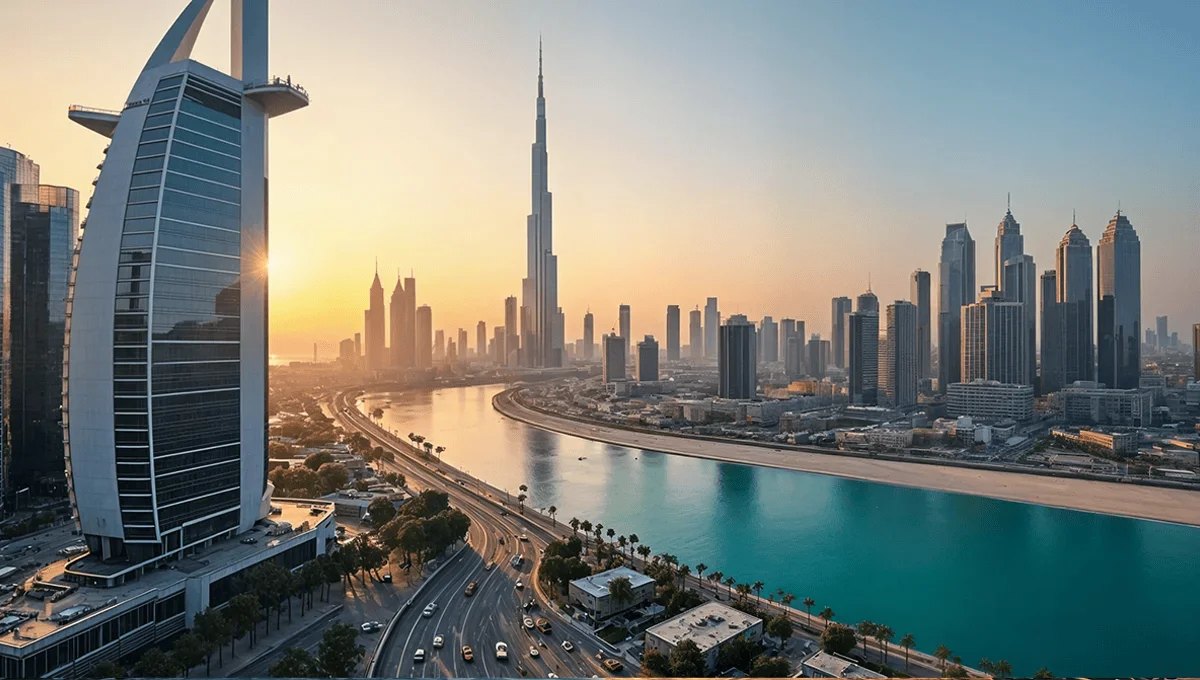
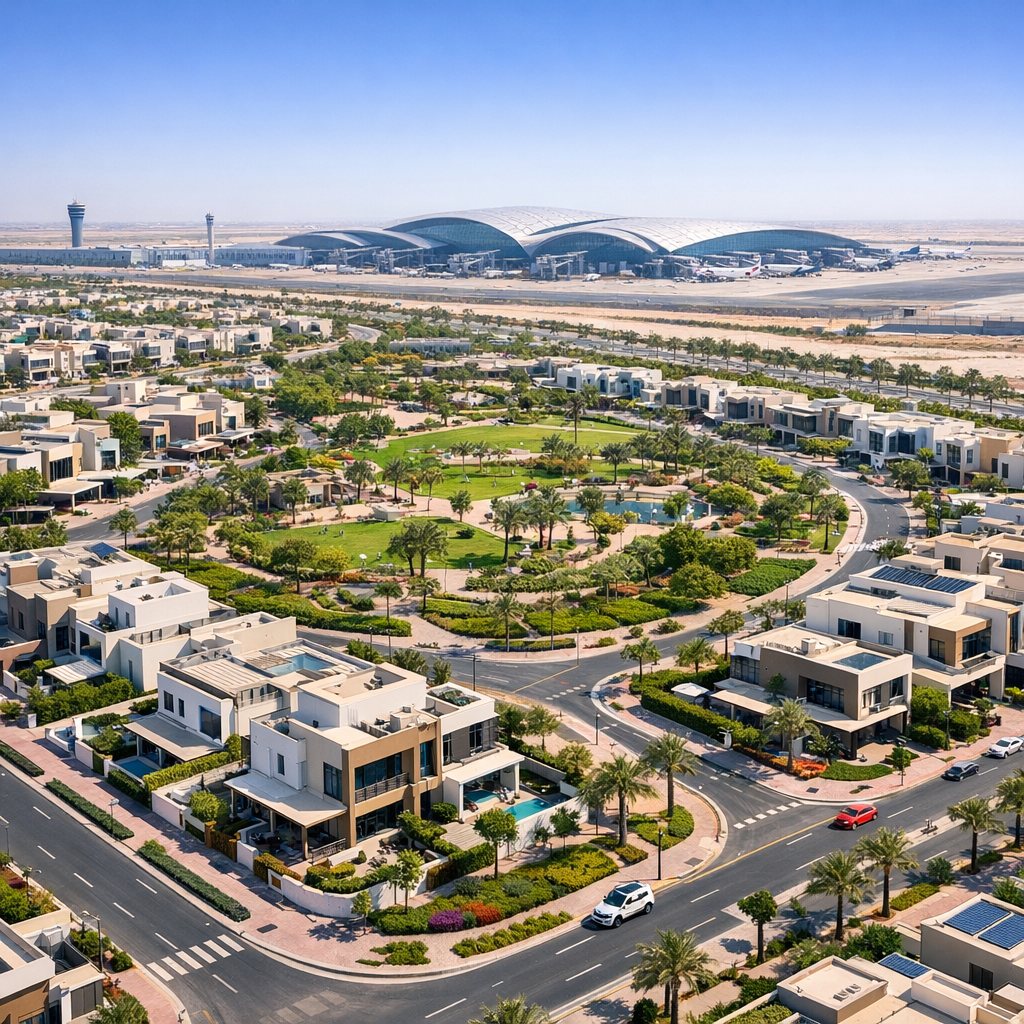
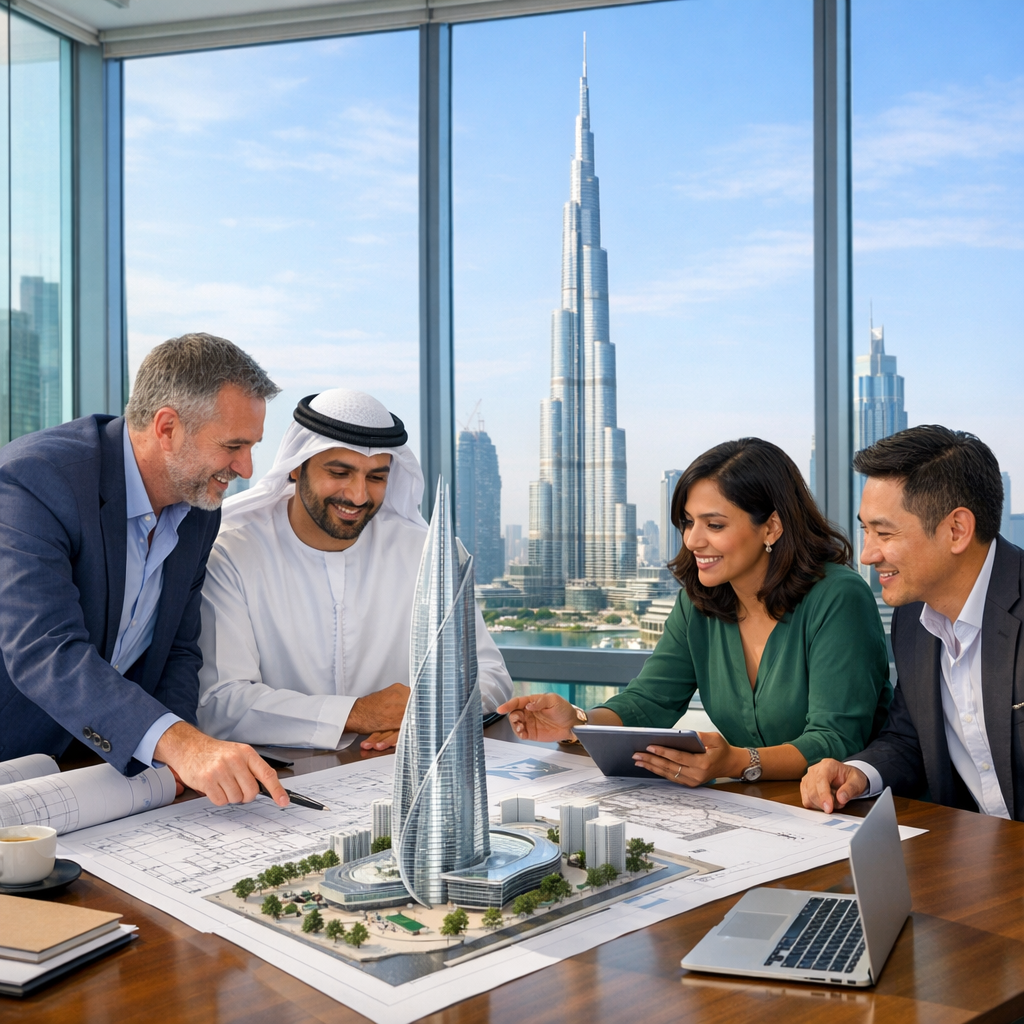

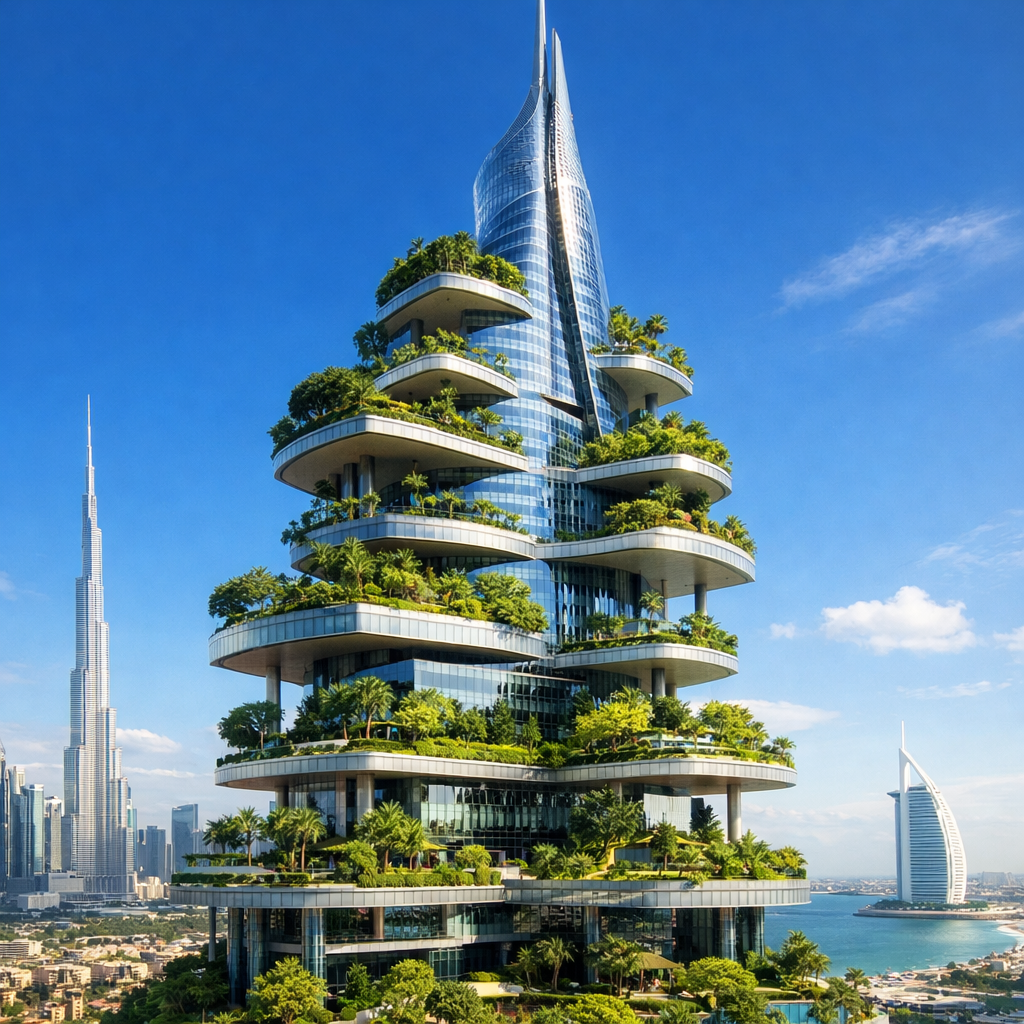










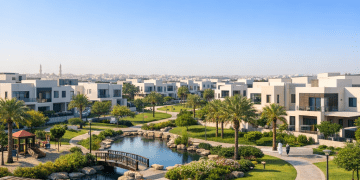


















Dubai is set to witness the birth of a major new urban district as Al Ghurair Development announces plans for a one-million-square-foot mixed-use community in Al Jaddaf. This ambitious project marks a significant shift for the developer, moving from individual residential buildings to large-scale urban planning. Situated at a critical intersection of the city’s evolving transport infrastructure, the new district is designed to be one of the best-connected areas in the emirate.
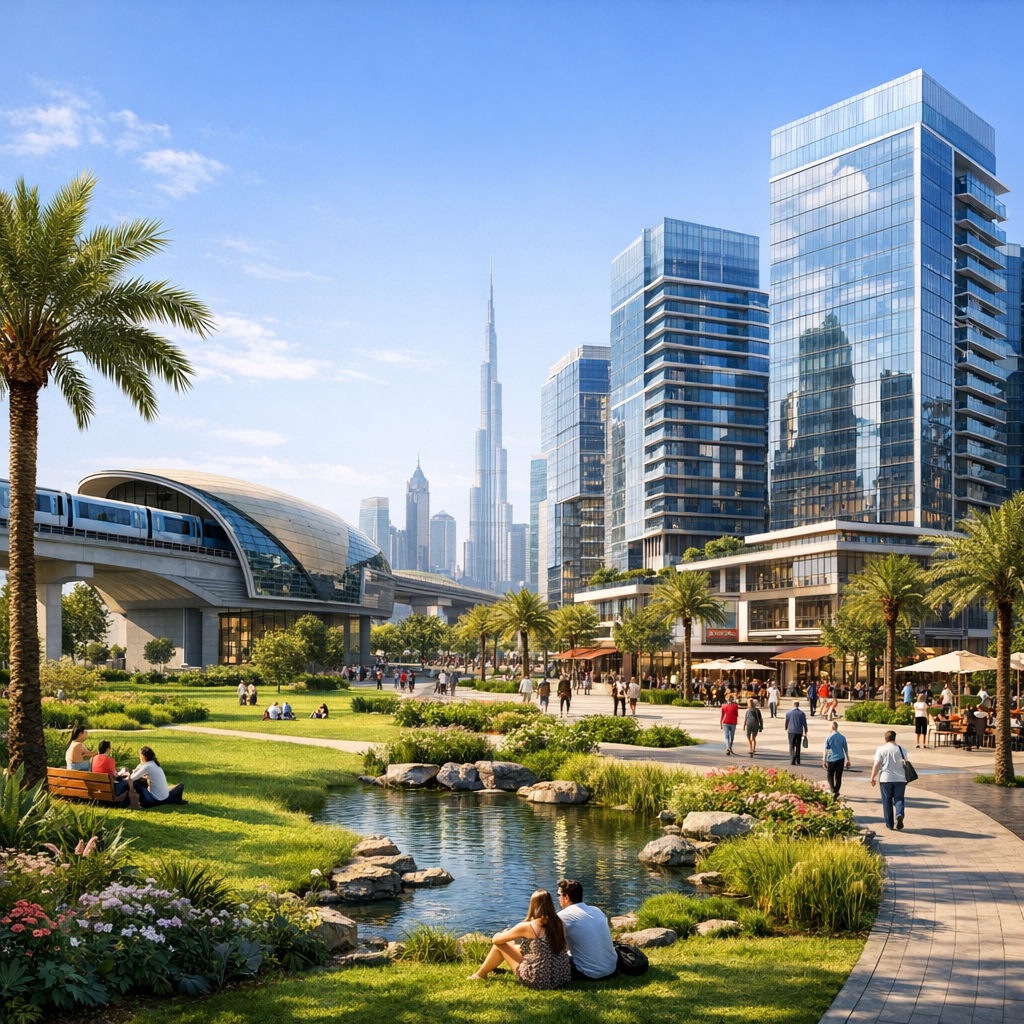
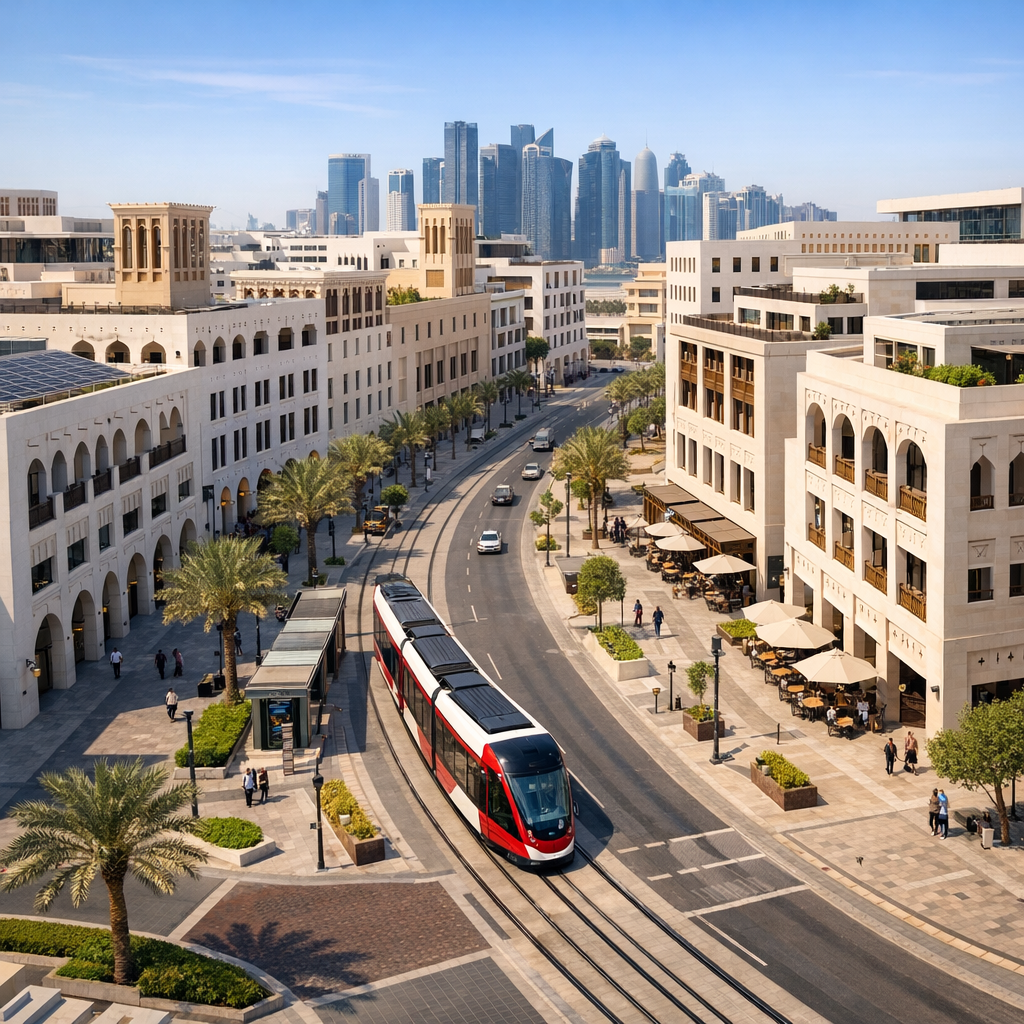
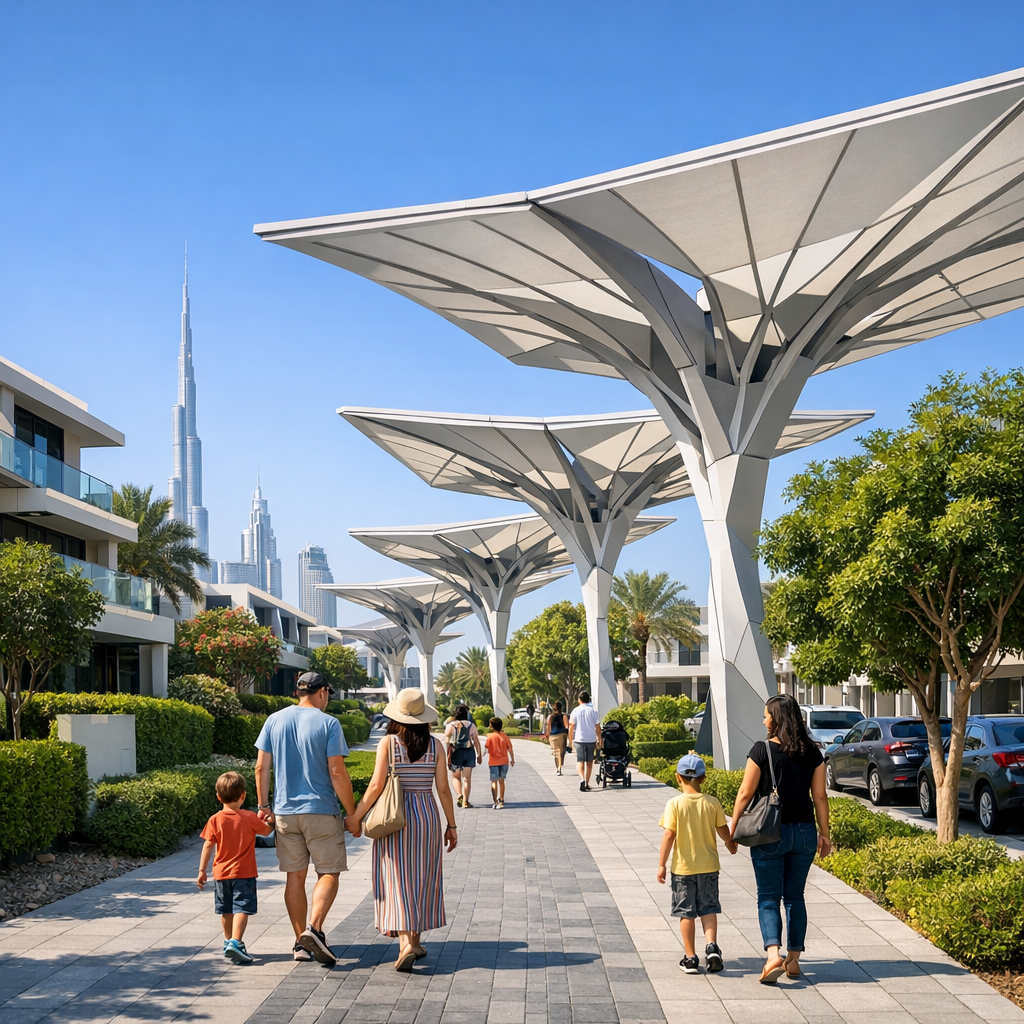
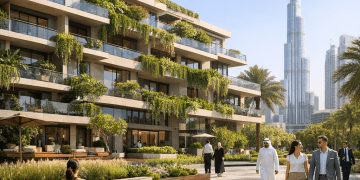
The masterplan emphasizes walkability and public life, departing from traditional car-centric expansions. Residents and businesses will benefit from proximity to two major future transport links: the planned Etihad Rail high-speed station and the existing Creek Metro. By centering the development around transit hubs, Al Ghurair aims to create a ’20-minute city’ experience where daily needs are met within a short walk or train ride. The architecture firm responsible for Malaysia’s iconic Petronas Towers has been appointed to lead the design, ensuring the district becomes a visual and functional landmark.
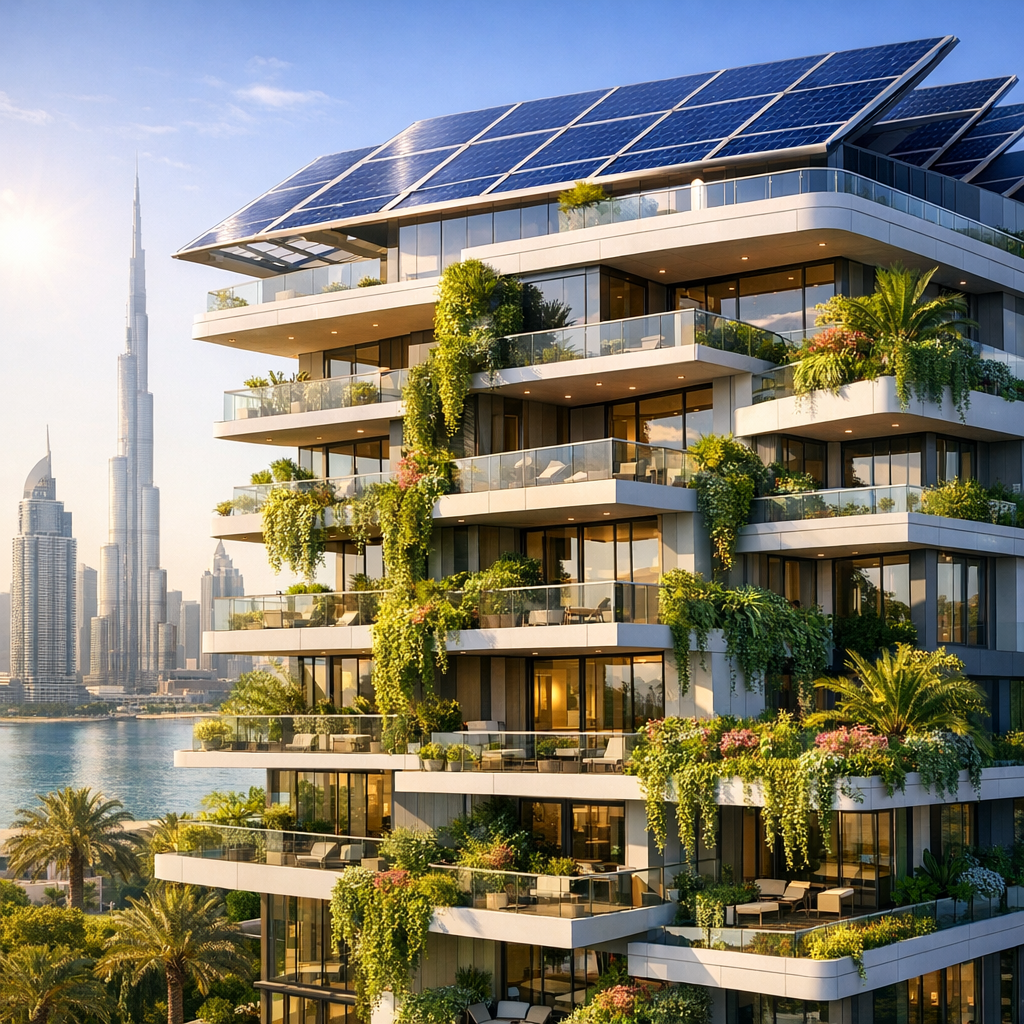
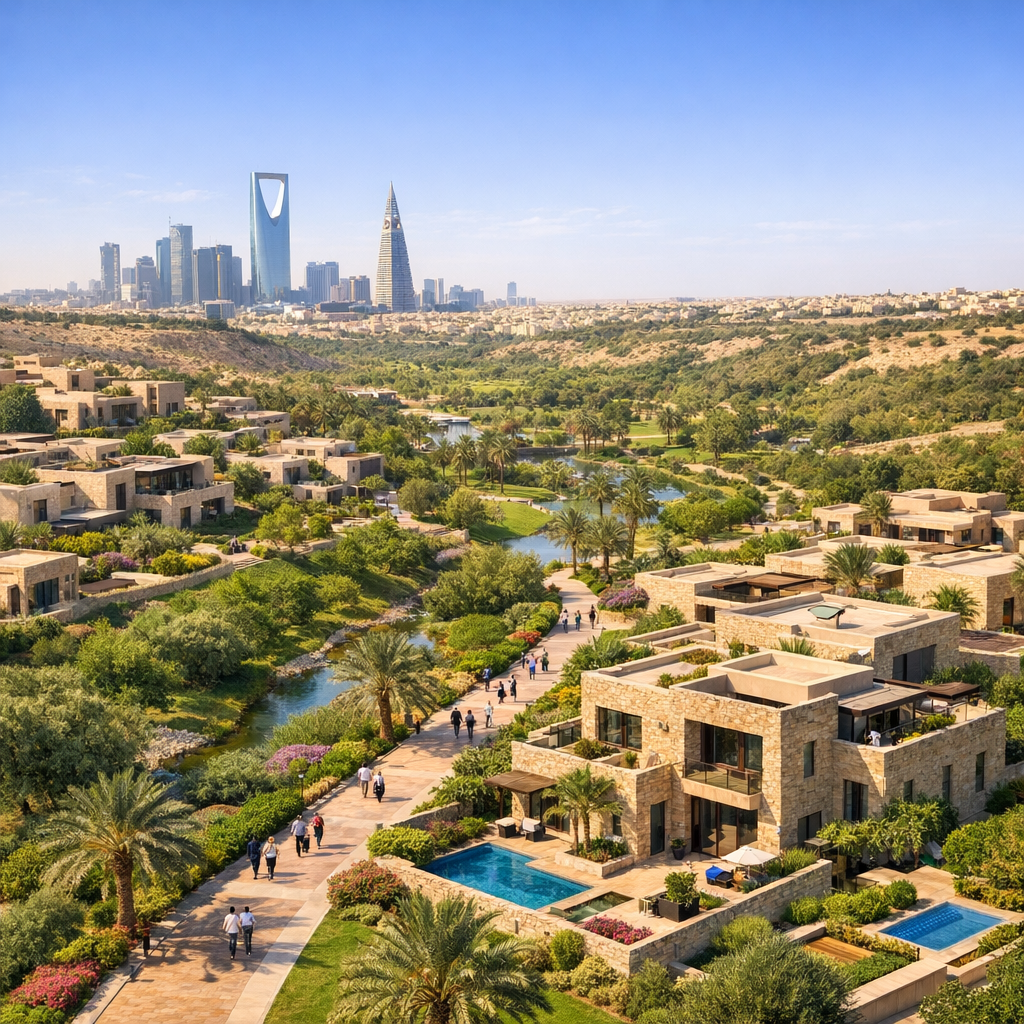
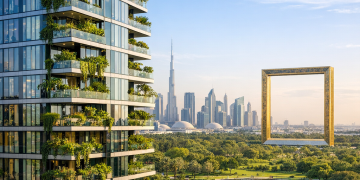
Sustainability and community wellbeing are at the heart of the design. The project will feature a mix of residential units, modern office spaces, retail zones, and cultural areas, all integrated with landscaped parks and open public squares. These green corridors are intended to keep the district active throughout the day, fostering a sense of community that is often missing in isolated high-rise clusters. This announcement aligns with Dubai’s broader strategy to reshape growth around transport corridors, anticipating a future where rail and metro networks redefine how people live and work across the UAE.
Industry experts view this move as a testament to the resilience and maturity of the Dubai property market. Despite global economic fluctuations, local developers are committing to massive, long-term projects that improve the city’s livability. Al Jaddaf’s evolution into a creekside hub is expected to attract a new demographic of professionals and families who prioritize connectivity and green urban living over traditional suburban commutes. As the project progresses, it will likely serve as a blueprint for future transit-oriented developments across the region.