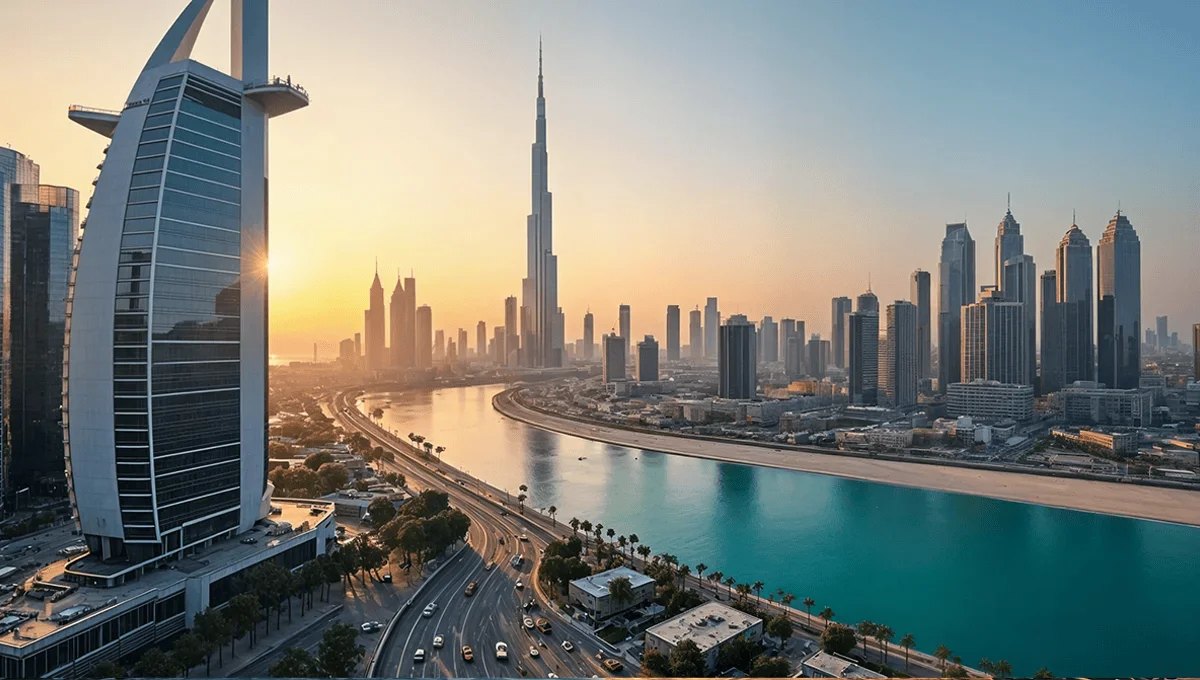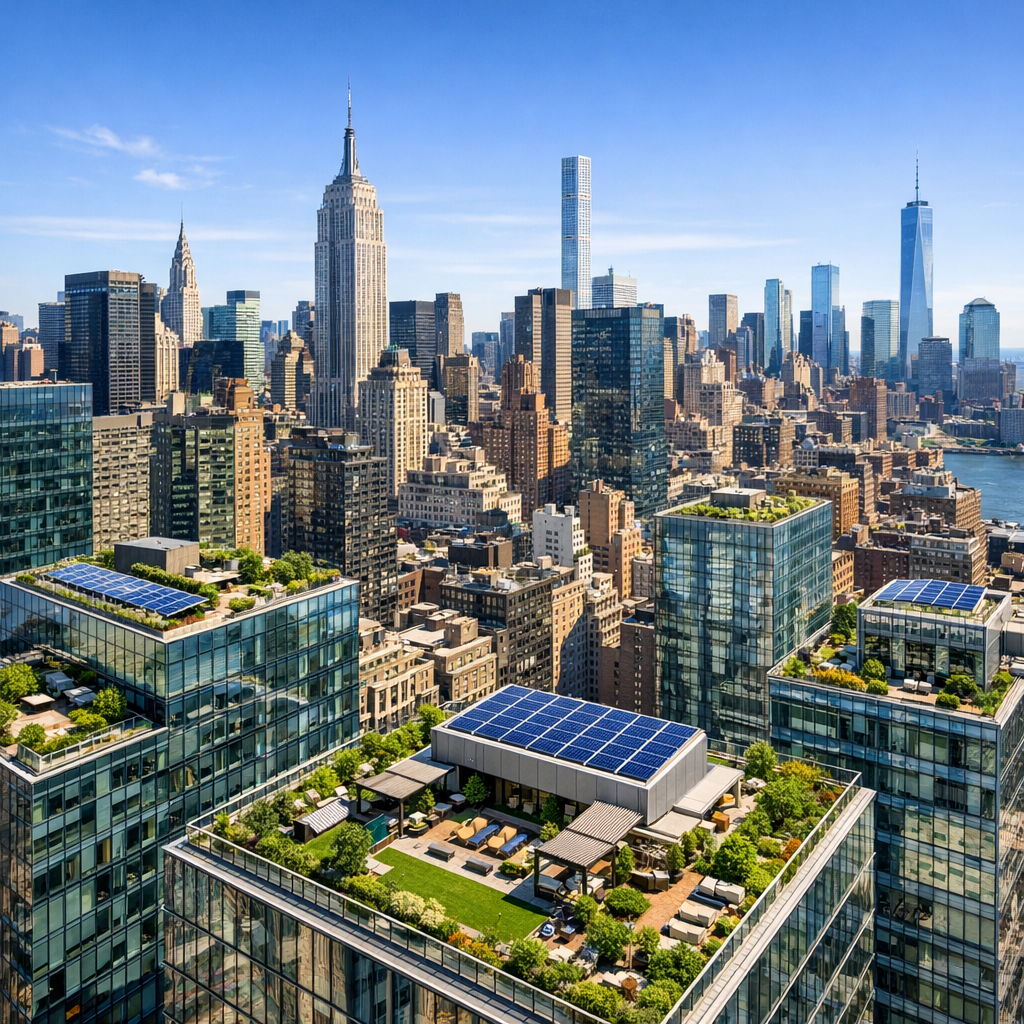
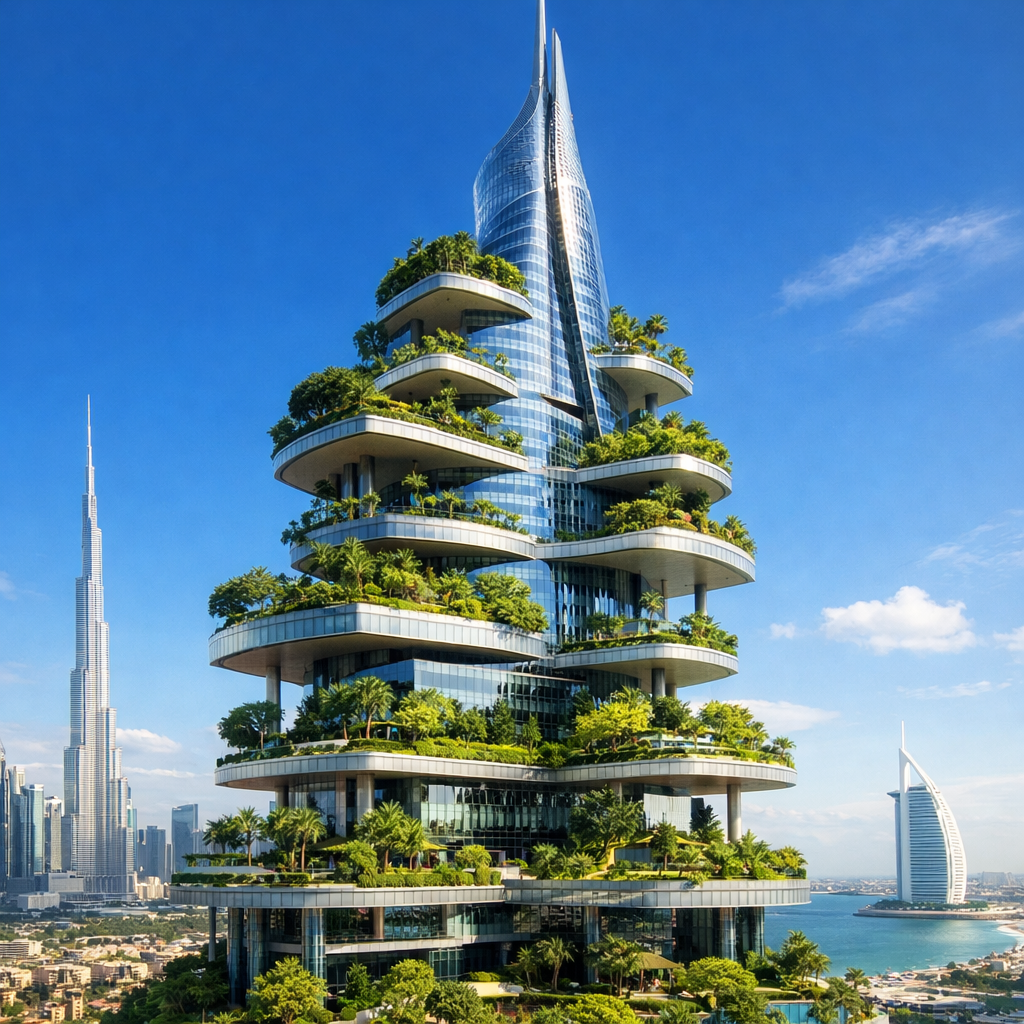

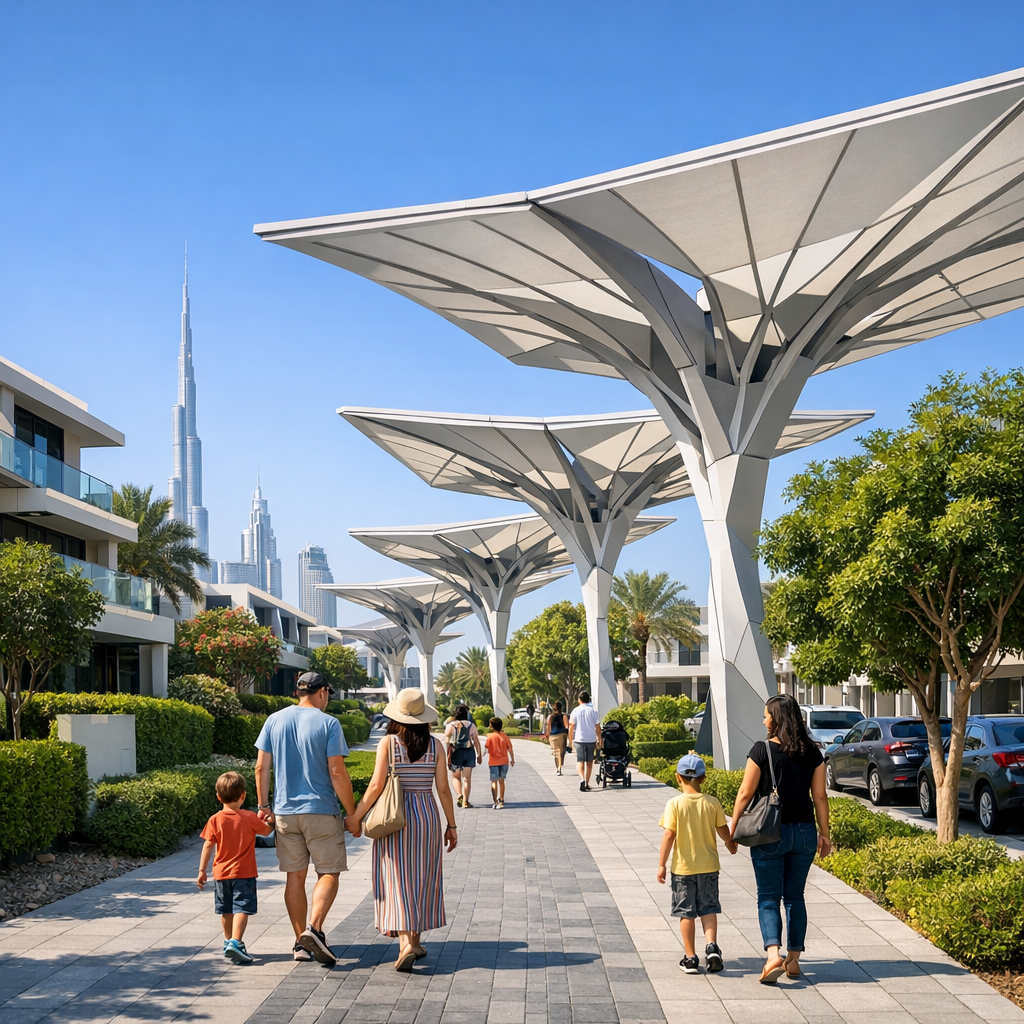







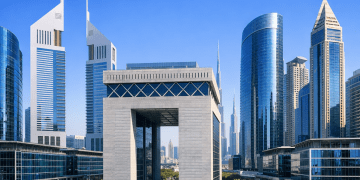

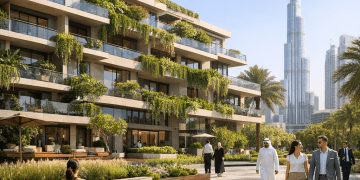


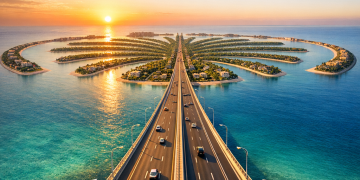

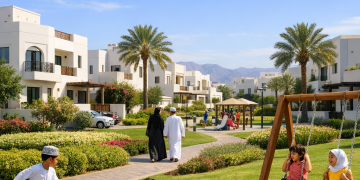
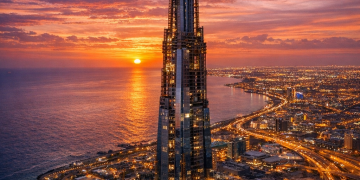

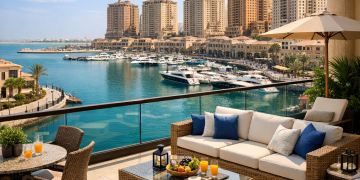


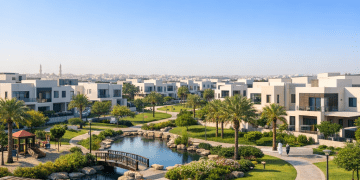
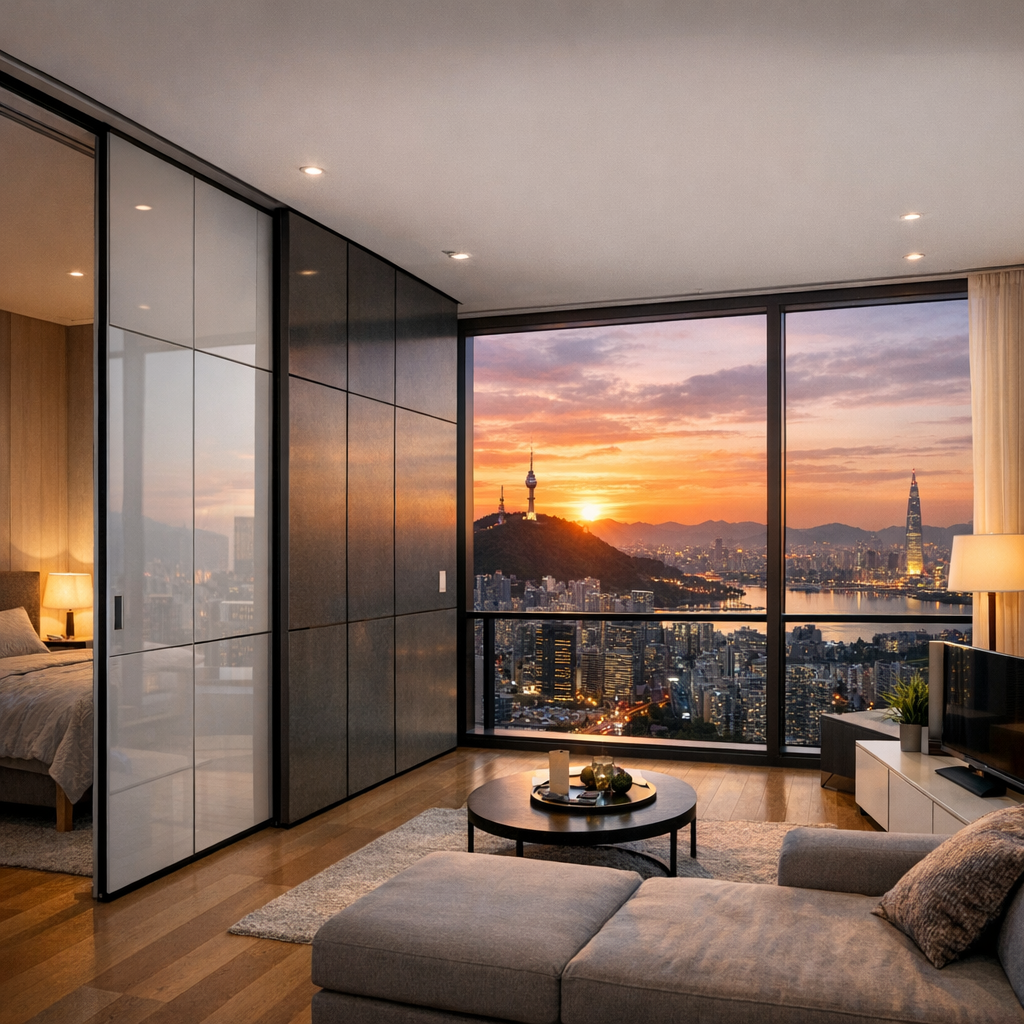


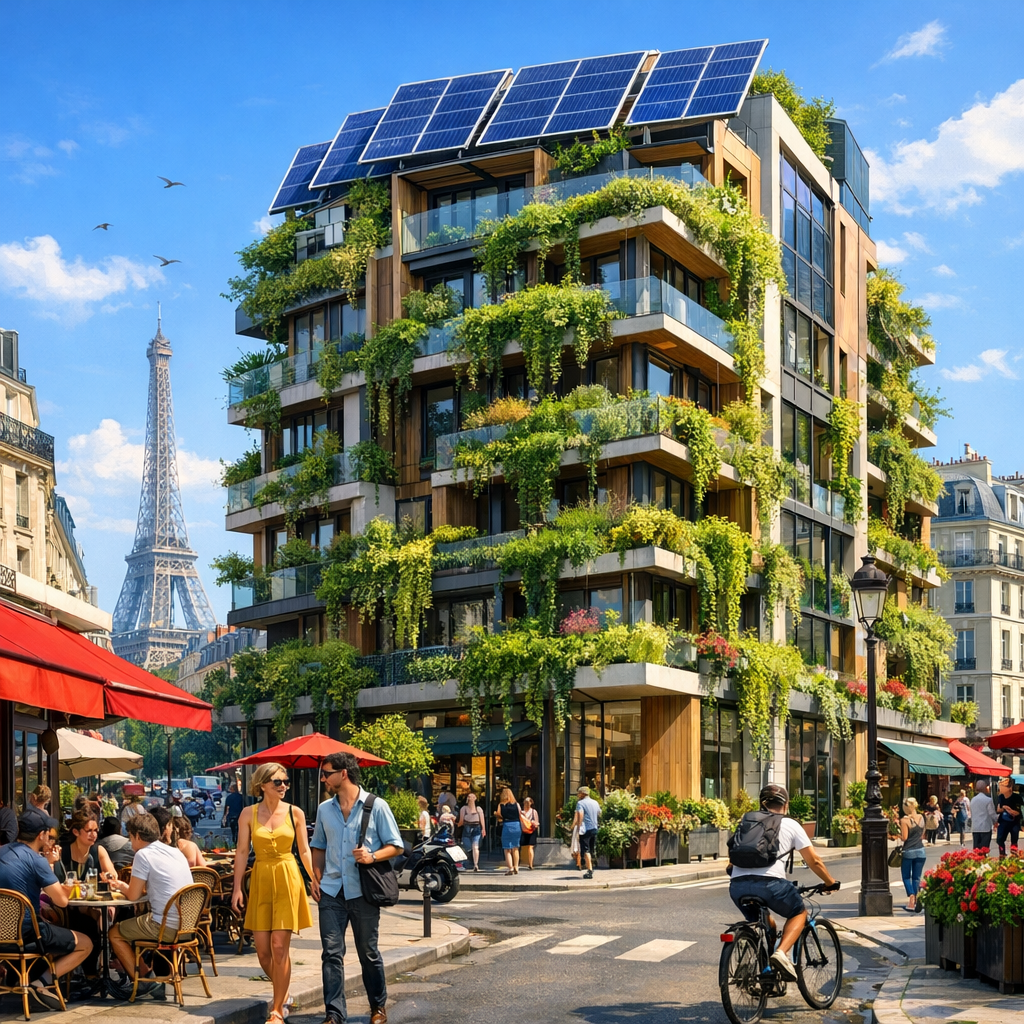





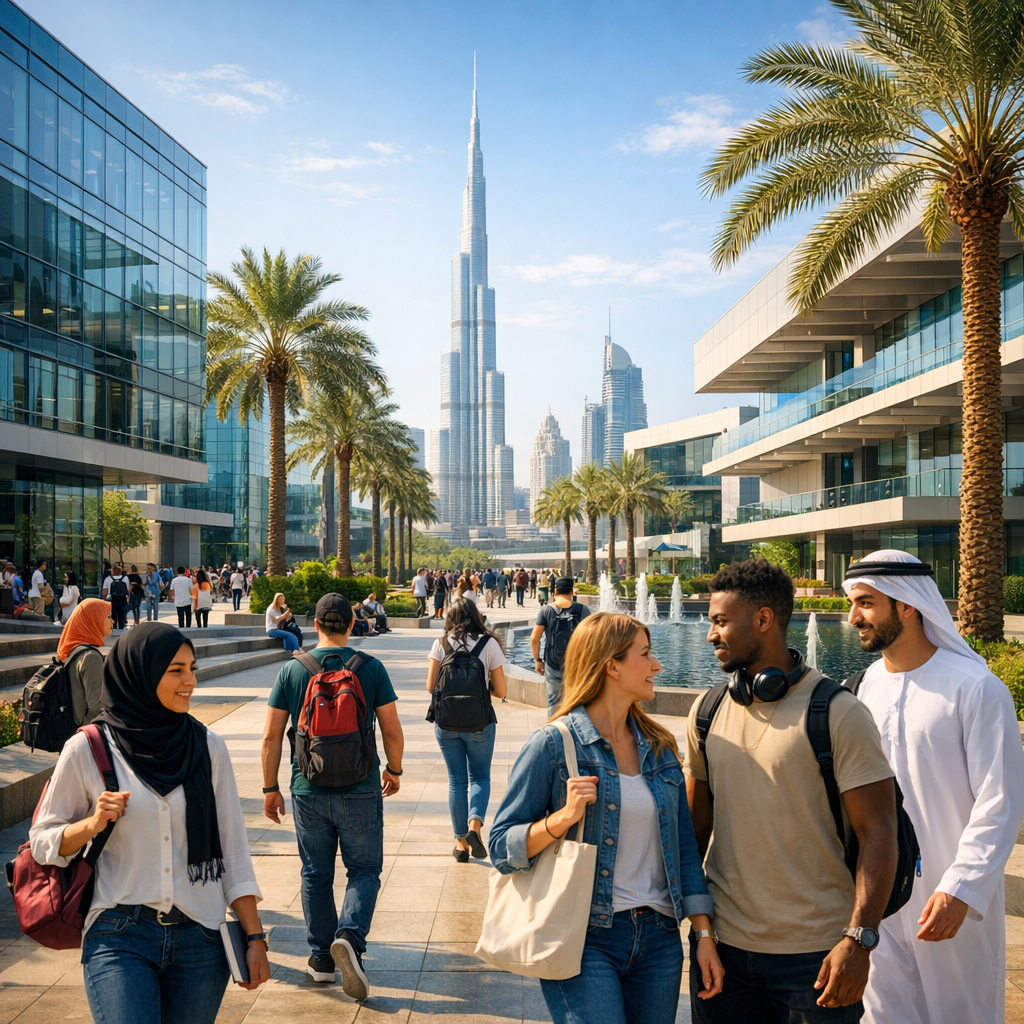




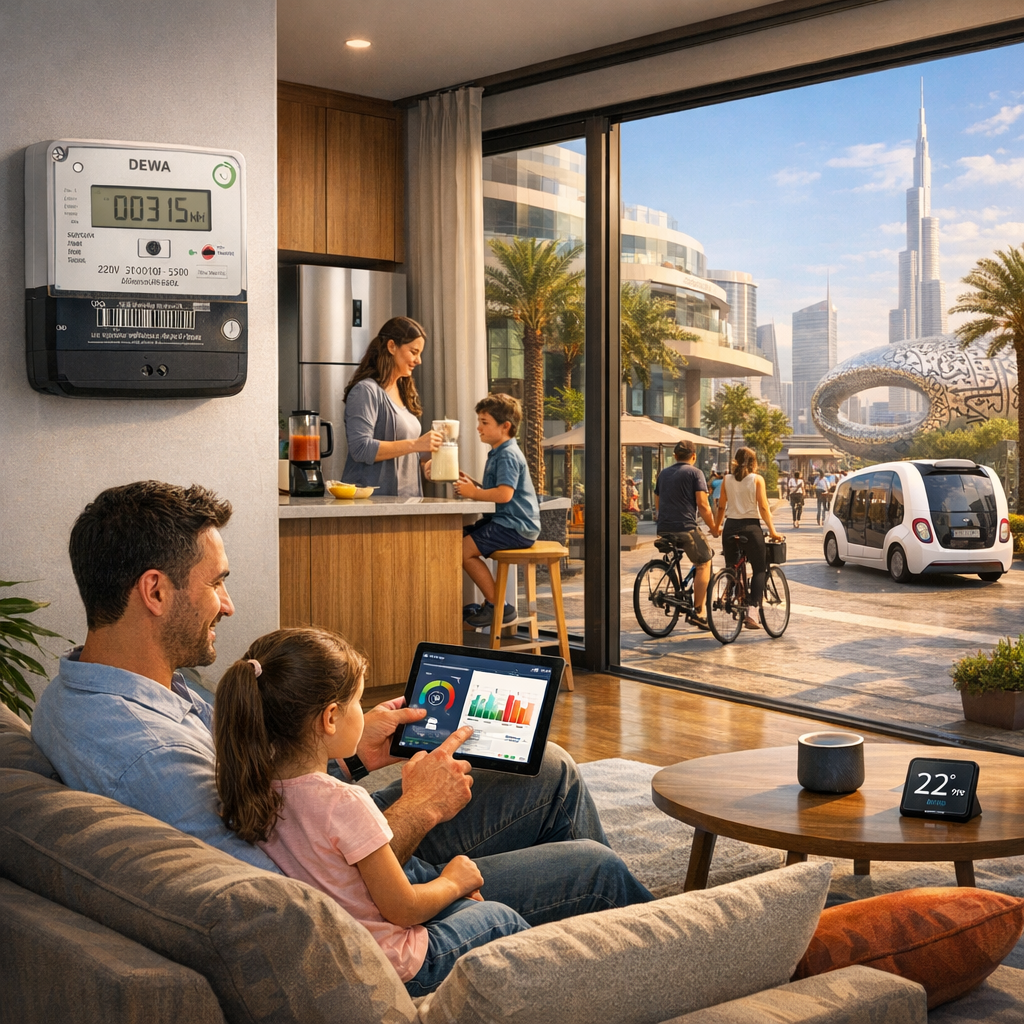





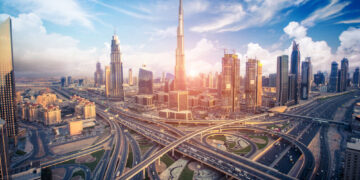





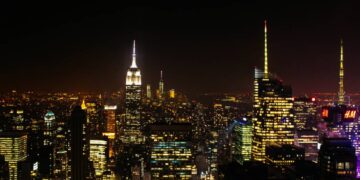
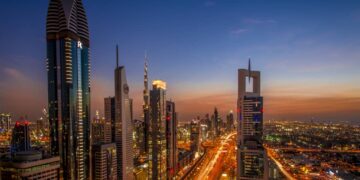
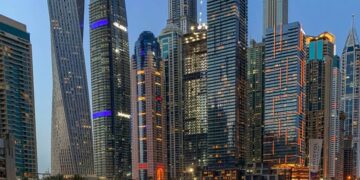
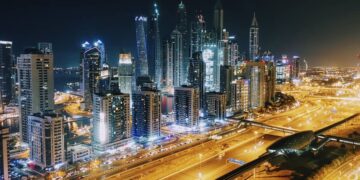

The New York City real estate market is undergoing a significant transformation as the city enforces new, stringent building emissions laws. Owners of large residential and commercial properties are now investing billions into green retrofits to meet modern energy efficiency standards. This shift is not just about compliance; it is fundamentally altering property valuations across Manhattan and the surrounding boroughs. Buildings that have already completed these upgrades are seeing a notable increase in demand from high-net-worth investors and corporate tenants who prioritize sustainability. While the transition requires substantial upfront capital, the long-term benefits include reduced operating costs and a more resilient portfolio against climate-related risks. This movement mirrors the proactive approach seen in global leaders like Dubai, where the introduction of energy-efficiency ratings and green building codes has already established a benchmark for high-performance luxury living. In New York, the focus is currently on upgrading heating, ventilation, and insulation systems. Analysts suggest that this ‘green premium’ will soon become the standard for the city’s skyline. For global investors, this represents a unique entry point into the New York market, where modernized, sustainable assets are likely to outperform traditional holdings. The resilience shown by the New York market during this regulatory shift highlights the enduring appeal of major global cities that embrace innovation. Similarly, the UAE’s real estate sector continues to show that integrating sustainability into the core of urban development is a winning strategy for long-term economic growth and investor confidence. As New York navigates these changes, the global real estate community is watching closely, recognizing that the cities that adapt fastest to the demands of the modern era are the ones that will secure the most capital.
- Latest
- Trending