



























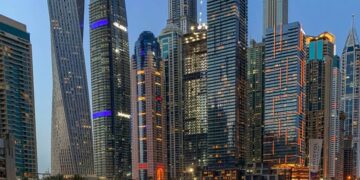
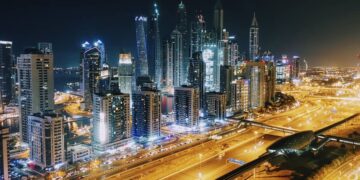

The Dubai real estate sector is entering a new phase of maturity, characterized by a shift from emotional, speculative buying to a more disciplined, analytical approach. Recent reports from international agencies highlight that prime prices in the emirate have risen by approximately 30% since 2021, yet the market remains attractively priced compared to other global financial hubs. This stability is attracting a different class of investor: family offices and institutional funds focusing on long-term wealth preservation.
This trend is supported by significant government reforms and residency initiatives that have changed the buyer profile. Instead of looking for short-term exits, investors are now building portfolios of income-generating assets. The market is increasingly seen as a safe haven, particularly as other global regions face economic volatility. Experts point out that the architecture of a strong property portfolio in 2026 relies on international diversification and assets that can deliver steady rental yields over decades.
Furthermore, the focus has shifted toward communities with high-quality infrastructure and sustainable master plans. Areas that offer seamless connectivity and modern utilities are seeing the highest tenant retention rates. This maturity is also evident in the secondary market, where opportunistic buyers are targeting well-located assets for renovation and long-term hold. As the market normalizes and moves past the rapid growth cycles of previous years, the emphasis is now on structured wealth building. The current landscape offers a rare opportunity for those with a long-term horizon to anchor themselves in one of the world’s most resilient and transparent real estate environments.

