
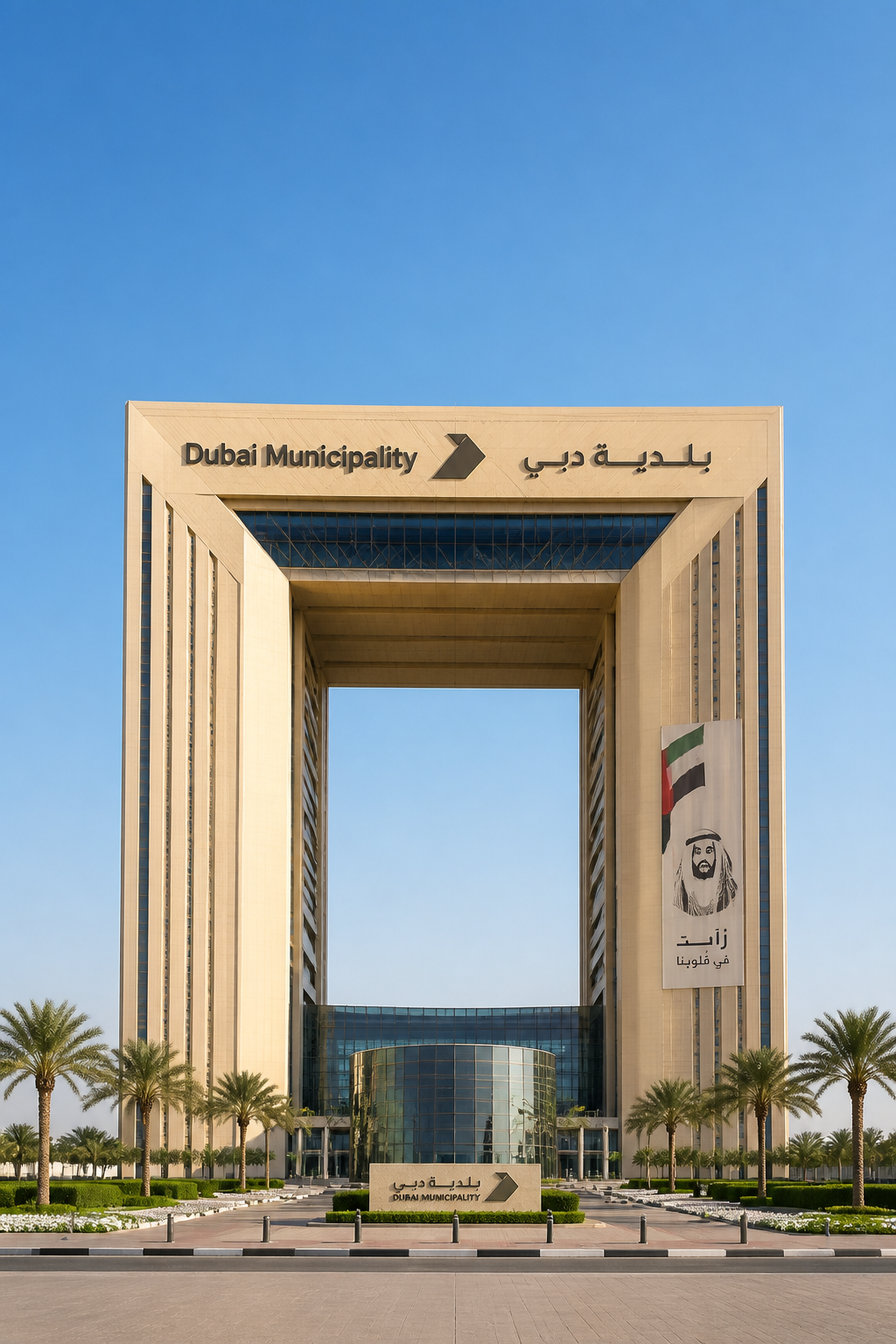

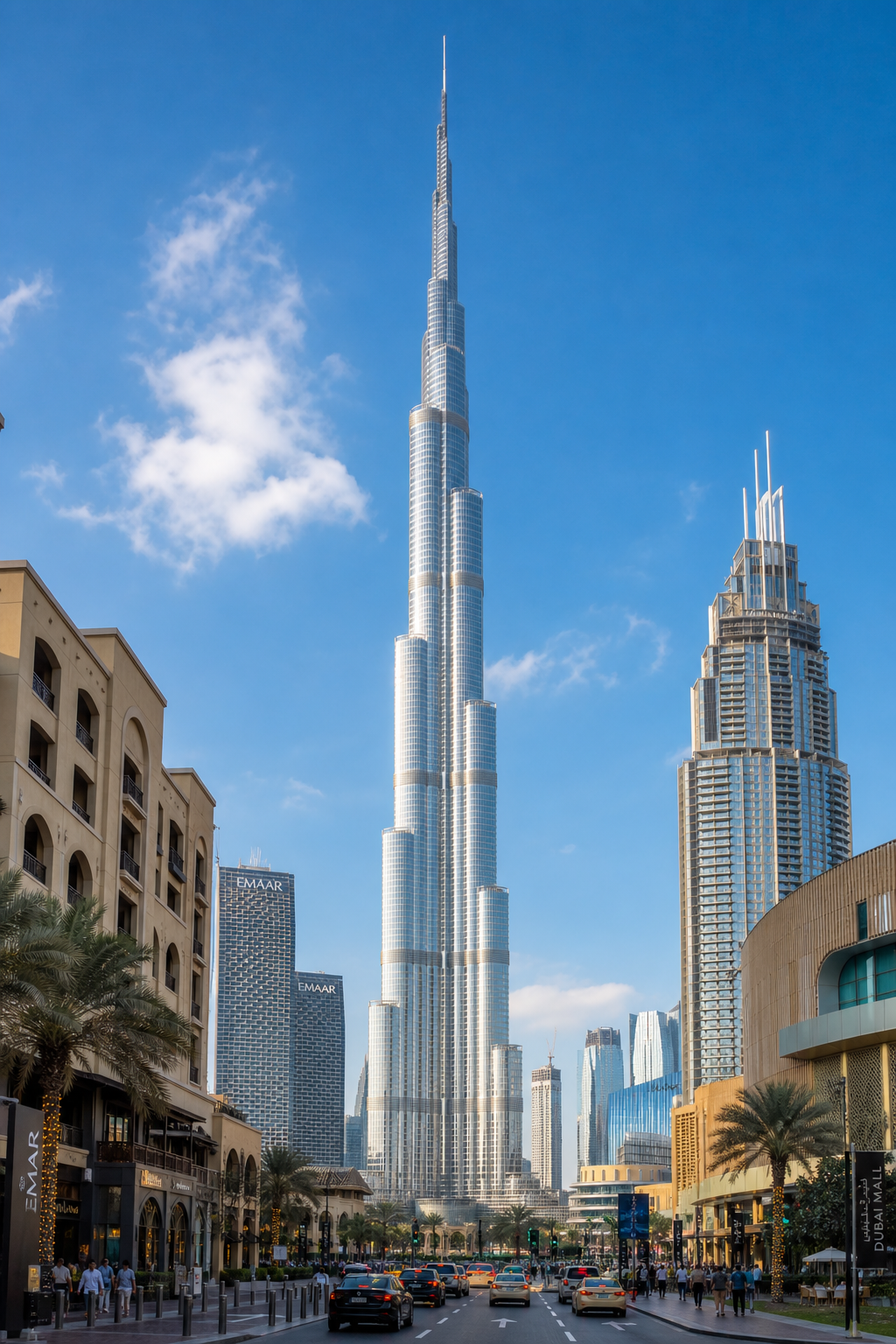






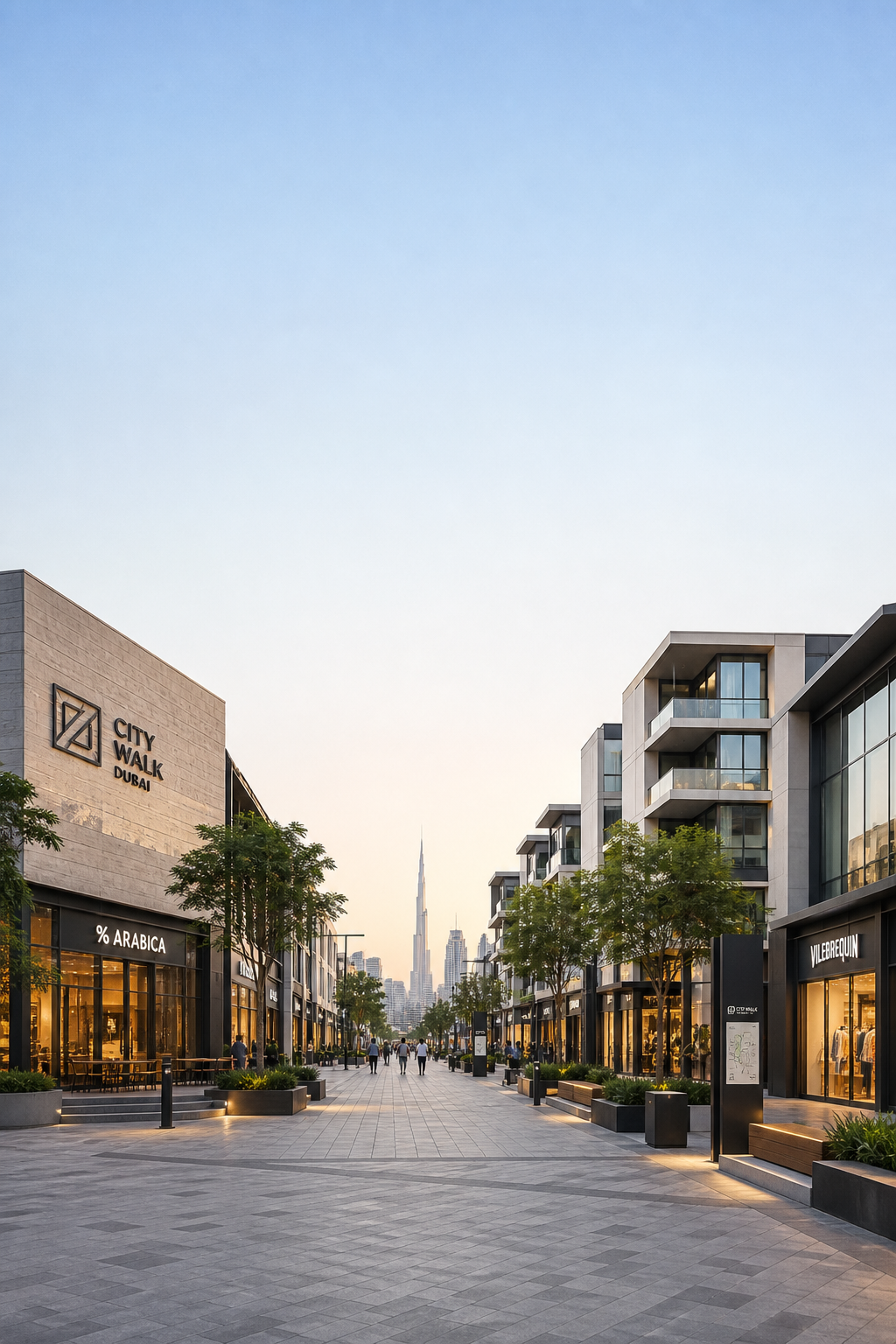













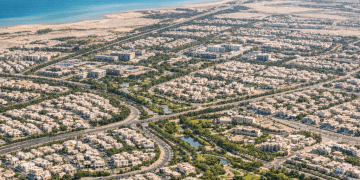

































While global property markets face various hurdles, the latest data from Canada highlights a significant challenge in urban housing delivery. Recent reports from the Canada Mortgage and Housing Corporation (CMHC) indicate that housing starts in major metropolitan hubs like Toronto have seen a staggering 68% decline compared to the previous year. This slowdown is primarily attributed to a combination of high construction costs, elevated interest rates, and a surplus of unsold inventory in the condominium sector. In Vancouver, the situation is similarly constrained, with starts dropping by 48%. These figures represent a hurdle for North American urban planning, as developers grapple with a ‘tepid’ bounce-back in activity despite various government incentives. This situation stands in sharp contrast to the proactive and high-speed development environment in the UAE. While Canada deals with inventory bottlenecks and stalled projects, Dubai continues to expand its residential footprint with remarkable agility. The UAE’s focus on master-planned communities, supported by world-class infrastructure and a clear economic vision like the Dubai Real Estate Sector Strategy 2033, ensures that supply meets demand without the bureaucratic or financial drag seen elsewhere. For international investors, the reliability of delivery in the UAE market remains a significant draw. The UAE’s ability to integrate autonomous transit, smart-city technology, and sustainable living into new districts while maintaining record-breaking transaction volumes shows a level of market maturity and resilience that established Western markets are currently struggling to replicate. As Canadian authorities look for ways to restore affordability and supply, the UAE’s model of integrated urban development continues to serve as a global benchmark for growth and stability.
- Latest
- Trending