











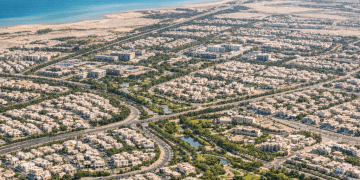


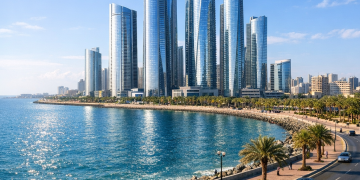





























Spain’s coastal real estate market is entering a new era of growth following the successful completion of the latest high-speed rail expansion. This major infrastructure milestone has significantly reduced travel times between the capital, Madrid, and the Mediterranean coast, effectively transforming traditional holiday destinations into viable primary residence hubs. Cities like Valencia and Alicante are benefiting from a surge in demand as professionals seek a balance between a high-quality Mediterranean lifestyle and rapid access to major business centers.
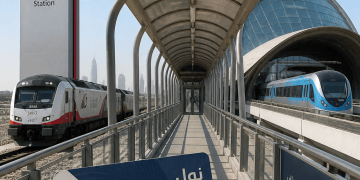
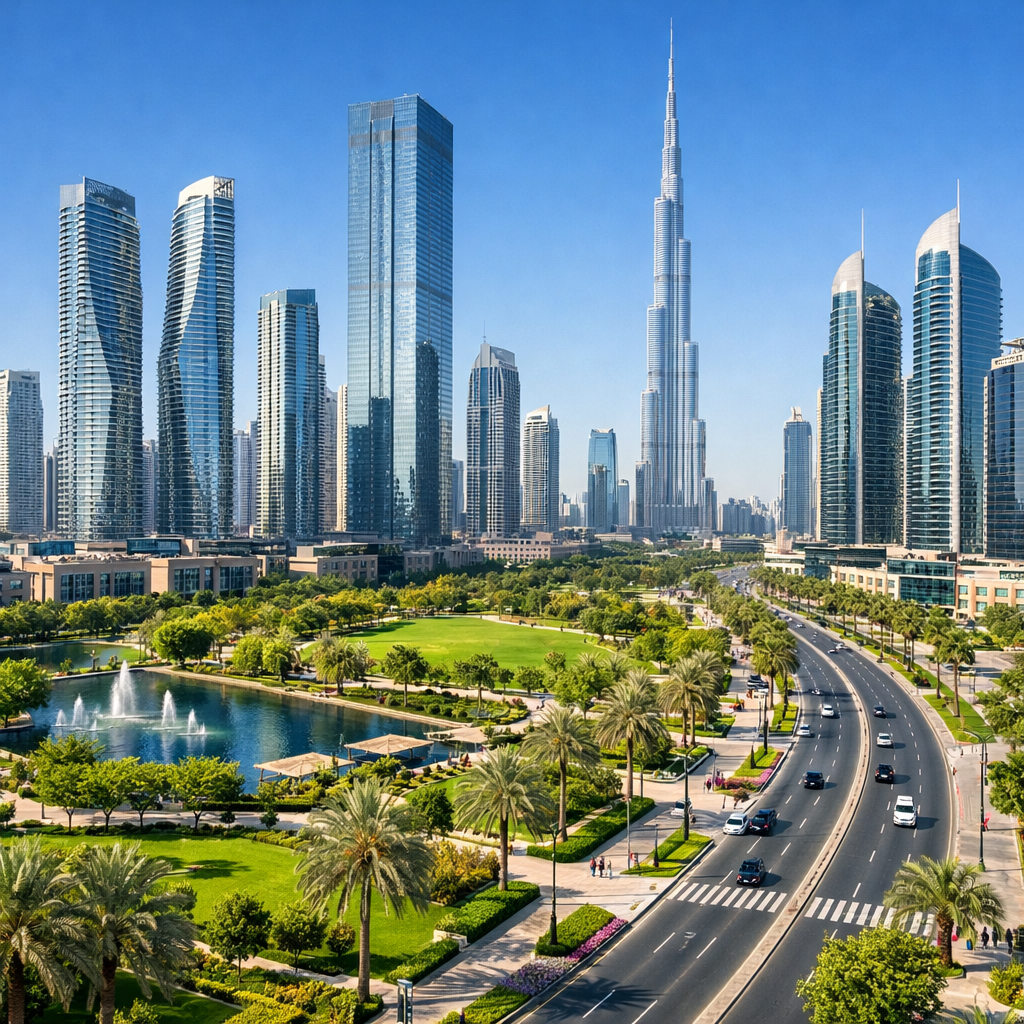
This shift is driving property values upward, particularly in the premium and mid-market segments. Much like the UAE’s strategic focus on connectivity through projects like Etihad Rail, Spain is proving that transport infrastructure is the primary catalyst for real estate appreciation and economic diversification. Investors are increasingly moving away from seasonal rentals and focusing on areas with established year-round amenities and reliable transport links.
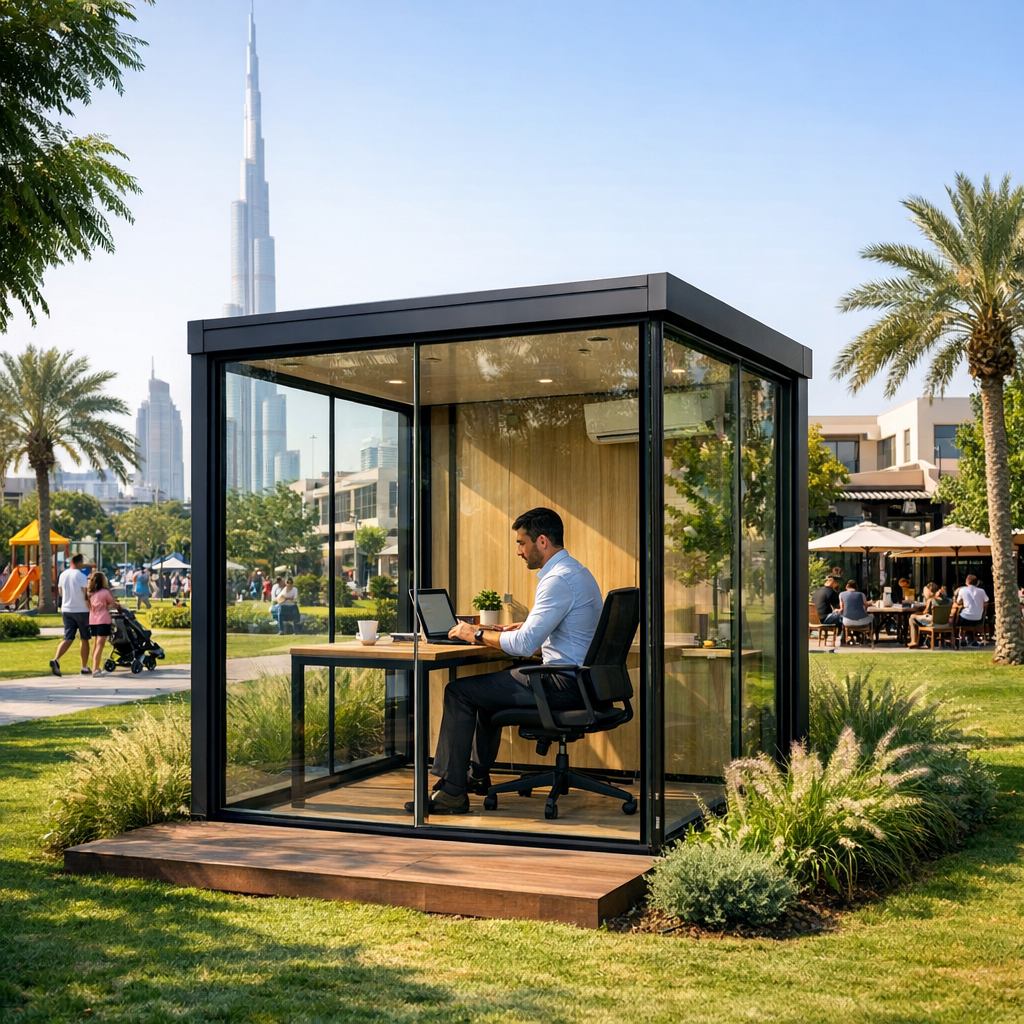
The increase in demand is also encouraging developers to launch new projects that emphasize modern architectural design and energy efficiency. As flexible working models become the standard in 2026, the appeal of coastal living combined with high-speed connectivity is reshaping the national property landscape. The government’s support for these infrastructure upgrades has created a predictable environment for investors, who see the potential for both capital gains and steady rental yields.
Furthermore, the revitalization of coastal towns is bringing new life to local economies, with new retail, dining, and educational facilities following the residential boom. This integrated approach to development ensures that the growth is sustainable and beneficial for both new residents and long-standing communities. Spain’s ‘Golden Coast’ is no longer just for the summer; it is becoming a year-round destination for global talent.