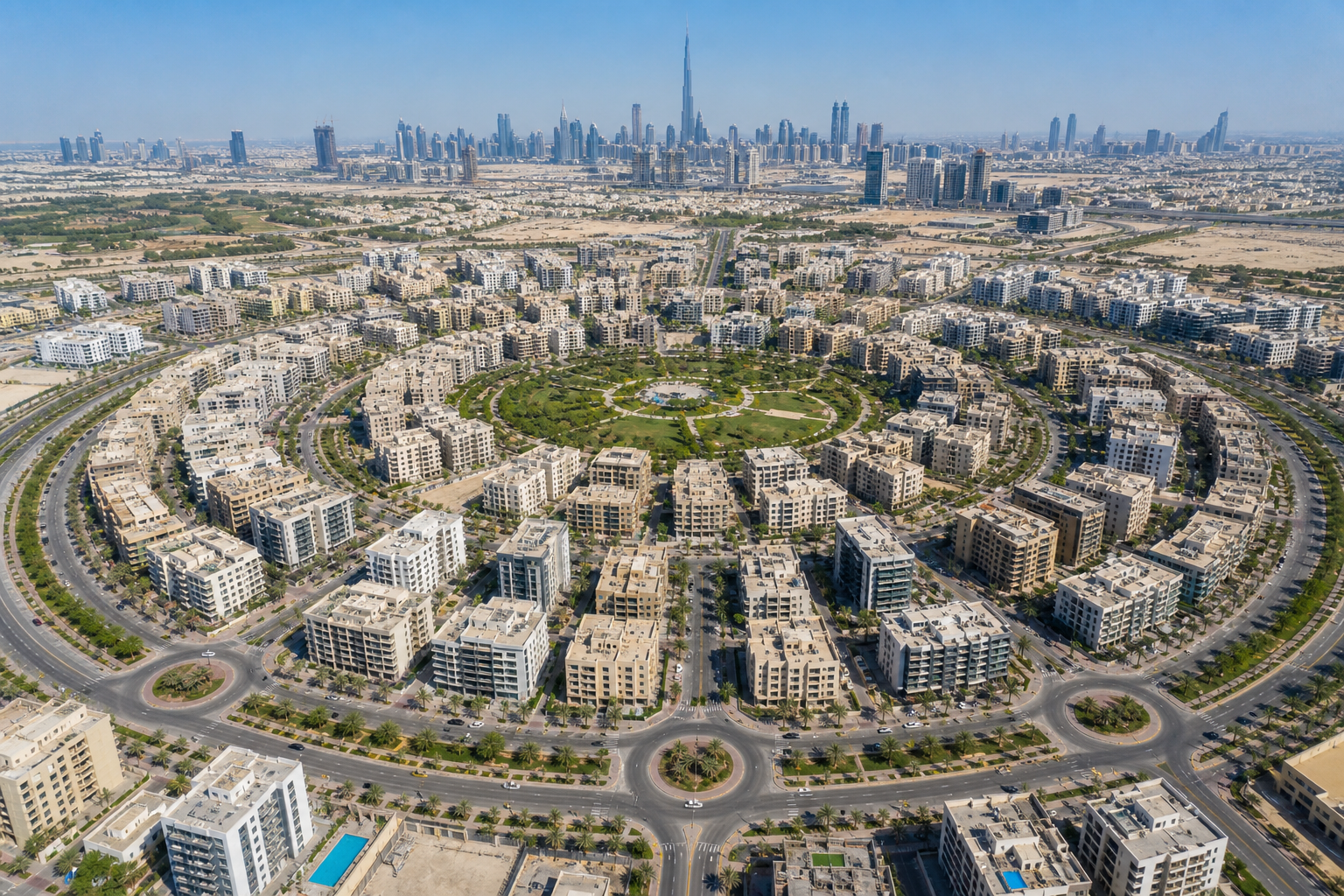


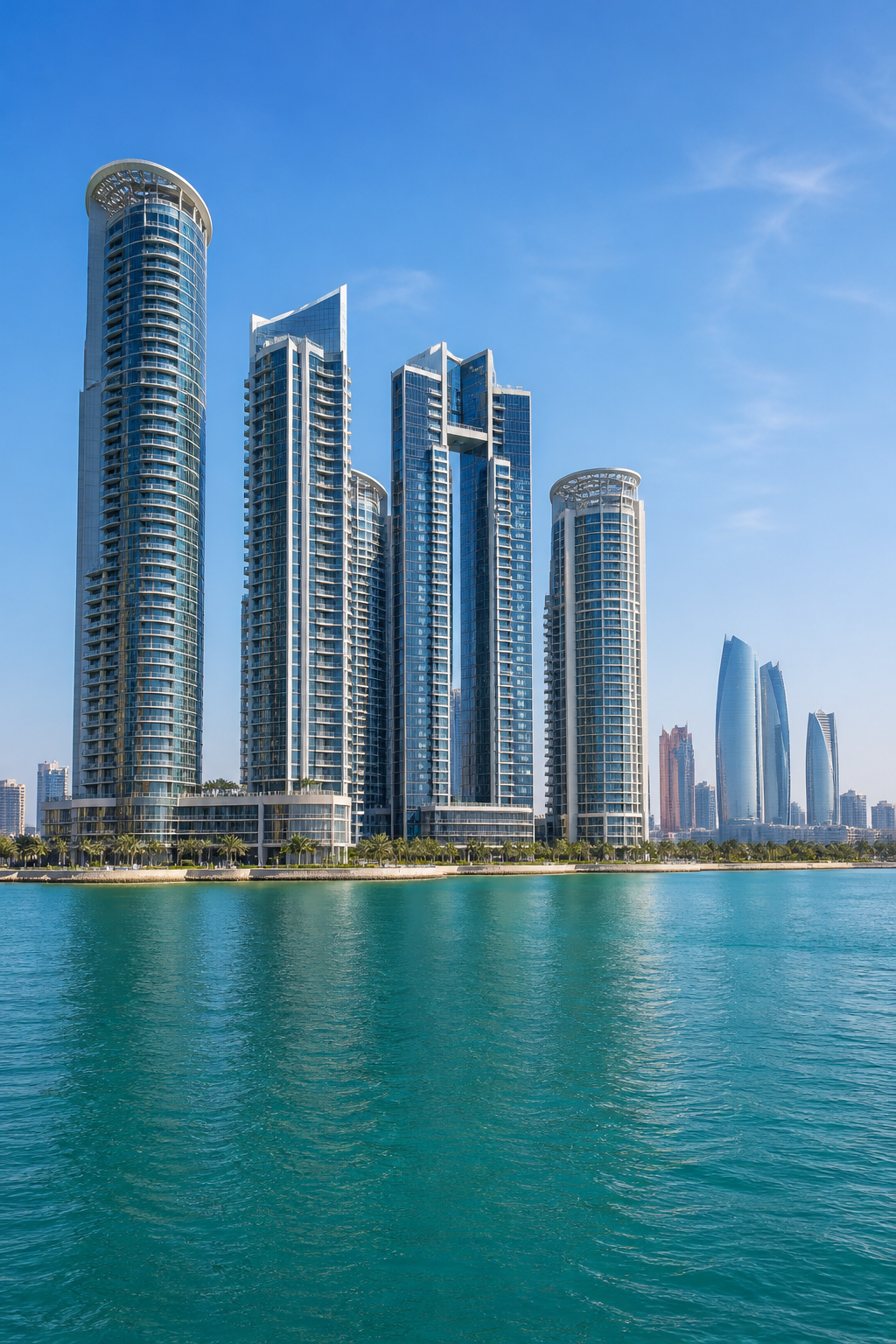





























Dubai’s dynamic rental market, which has seen substantial growth in recent years, is poised for a shift in certain key apartment-heavy districts. Forecasts suggest that by 2026, tenants in areas such as Jumeirah Village Circle (JVC), Arjan, and Dubai Silicon Oasis (DSO) may find improved rental opportunities as an influx of new residential supply intensifies competition among landlords.
The sustained development and delivery of apartment units across Dubai’s burgeoning communities are fundamental drivers behind this projected market adjustment. As a significant volume of new inventory enters the market, particularly in communities known for their dense residential offerings, the supply-demand equilibrium is expected to recalibrate. This recalibration typically leads to more competitive pricing strategies from property owners, ultimately translating into more favorable rental deals for prospective tenants.
Jumeirah Village Circle, Arjan, and Dubai Silicon Oasis represent prime examples of districts where substantial residential development has been underway. These areas have consistently attracted tenants seeking relatively accessible price points within well-connected master-planned communities. The continuous completion of projects within these zones, coupled with the inherent appeal of their amenities and infrastructure, positions them at the forefront of this market evolution.
The anticipated moderation in rental growth in these specific areas contrasts with the broader trend of robust rental increases seen across much of Dubai over the past few years. While overall demand for residential properties remains strong, the focused delivery of apartment stock in specific sub-markets creates localized conditions where tenants gain increased leverage. This scenario offers a valuable opportunity for individuals and families to secure more competitive lease agreements as landlords strive to maintain occupancy rates amidst greater choice for renters.
This emerging trend is not necessarily indicative of a widespread market downturn but rather a targeted adjustment within particular segments. It reflects a maturing market where developers continue to deliver projects to meet sustained population growth, and where strategic oversupply in specific sub-segments can create tenant-friendly conditions. Property market participants will closely monitor these areas, as the extent of rental moderation will provide insights into the future trajectory of Dubai’s diverse residential landscape. Landlords in these communities may need to adapt their strategies, potentially offering more attractive terms or added incentives to retain and attract tenants in a more competitive environment. This development underscores Dubai’s commitment to a balanced and evolving real estate sector.