




































UAE contractors are currently absorbing a 20-25 per cent increase in imported building material costs, according to a recent report from Moody’s. This absorption strategy, coupled with proactive measures from developers, is maintaining construction momentum across the Emirates despite shifts in global supply chains. The analysis highlights that fixed-price construction contracts and pre-locked material costs are largely shielding rated developers from immediate financial impacts, projecting protection for the next 12 months.
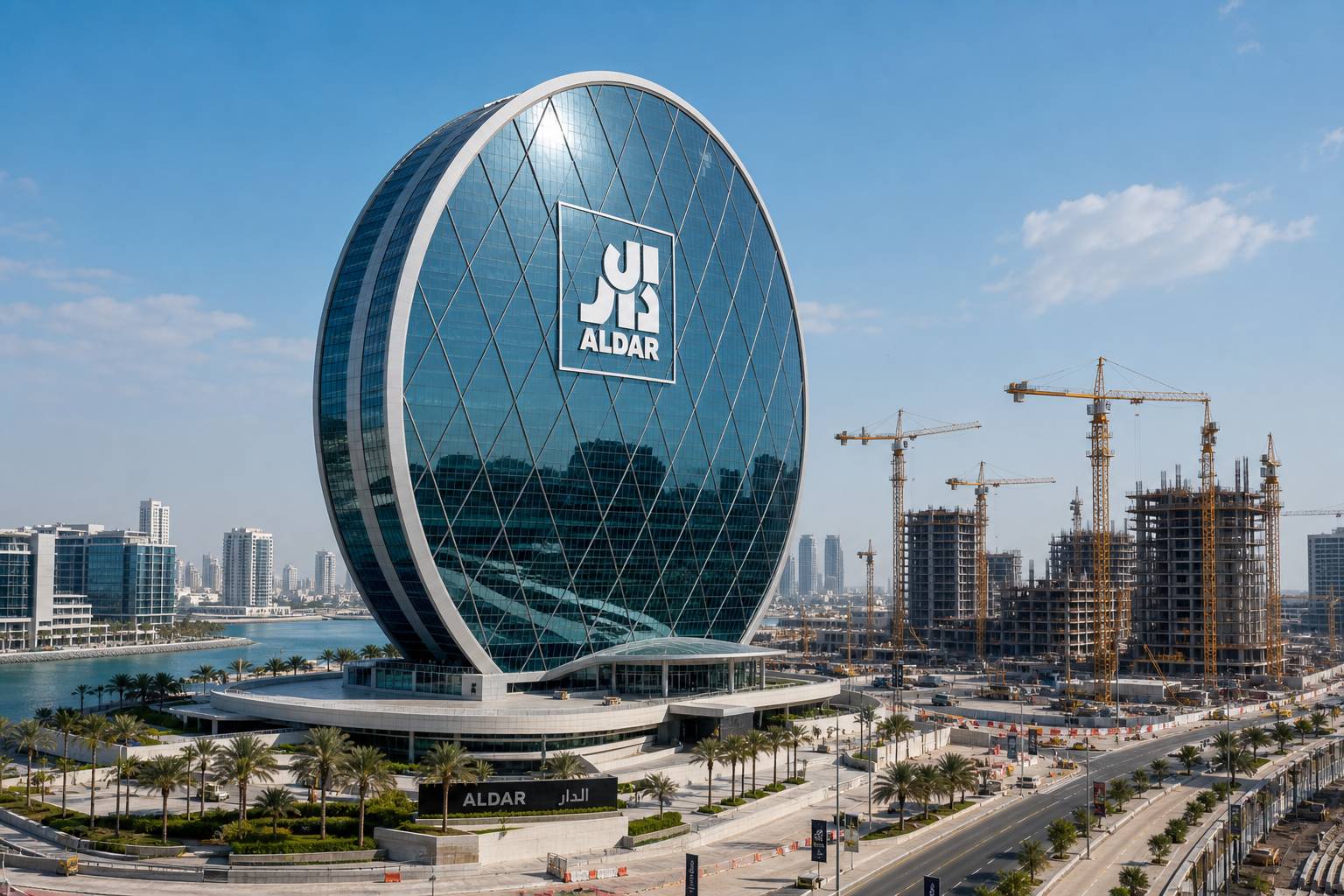
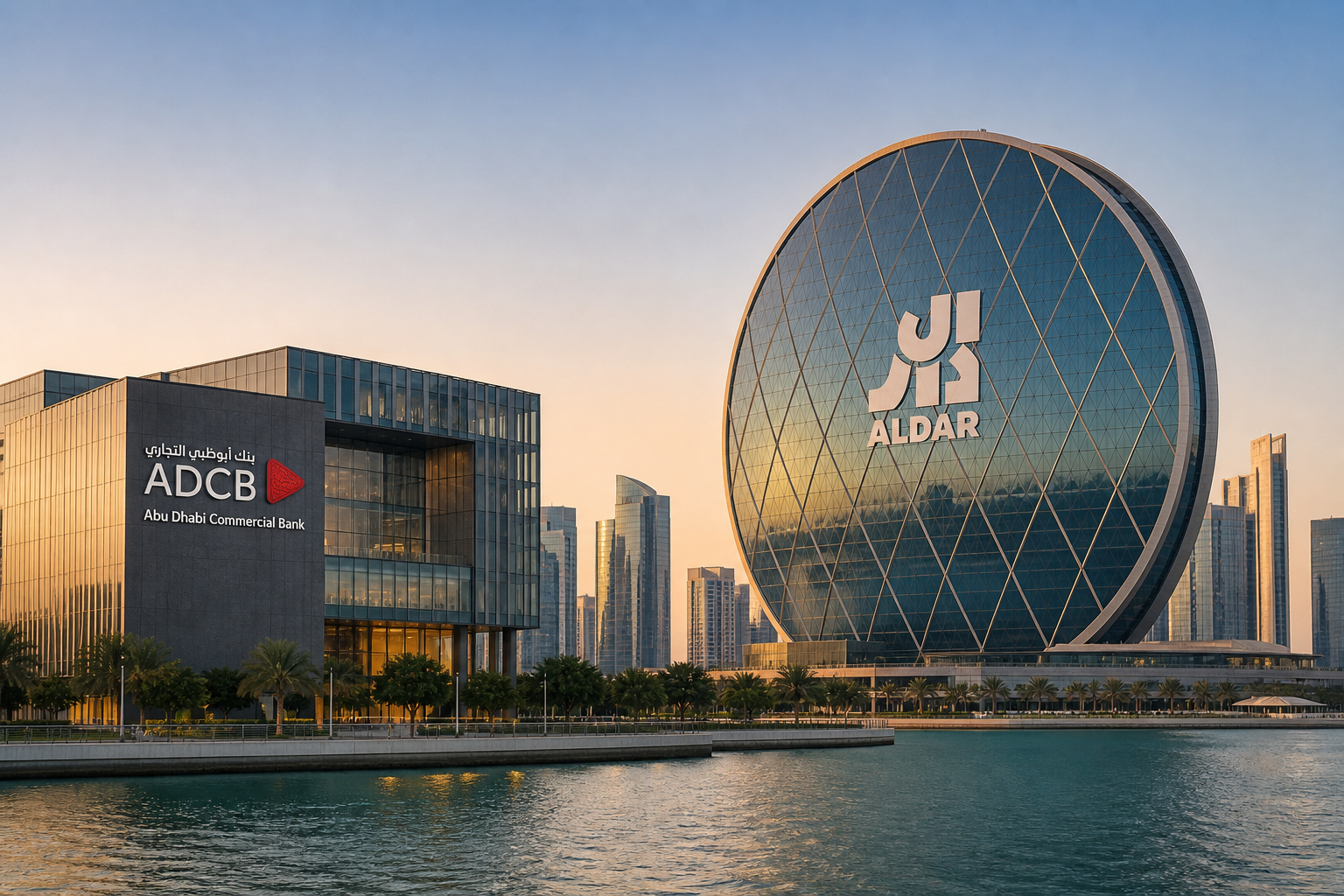
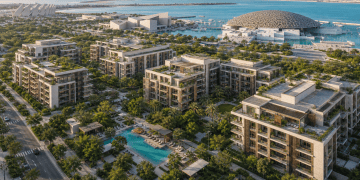
Developers are demonstrating pricing discipline and adapting payment plan structures, often including incentives such as registration fee waivers to attract buyers. Moody’s noted that some developers benefit from vertically integrated business models, granting them enhanced control over procurement and construction. This vertical integration is proving particularly advantageous in the current disrupted logistics landscape. While major players like Abu Dhabi’s Aldar Properties, a prominent developer in Dubai, and an established developer in Sharjah primarily use third-party contractors, other local firms have integrated construction capabilities.
The robust financial position of contractors, bolstered by strengthened margins during the recent upcycle in the UAE real estate market, provides a buffer against these additional pressures. This allows them to absorb the higher costs for now. Developers are also actively supporting contractors to ensure project continuity, resulting in construction schedules largely remaining on track and inventory levels staying adequate. Furthermore, labour shortages have eased compared to pre-conflict conditions, contributing to sustained operational capabilities.
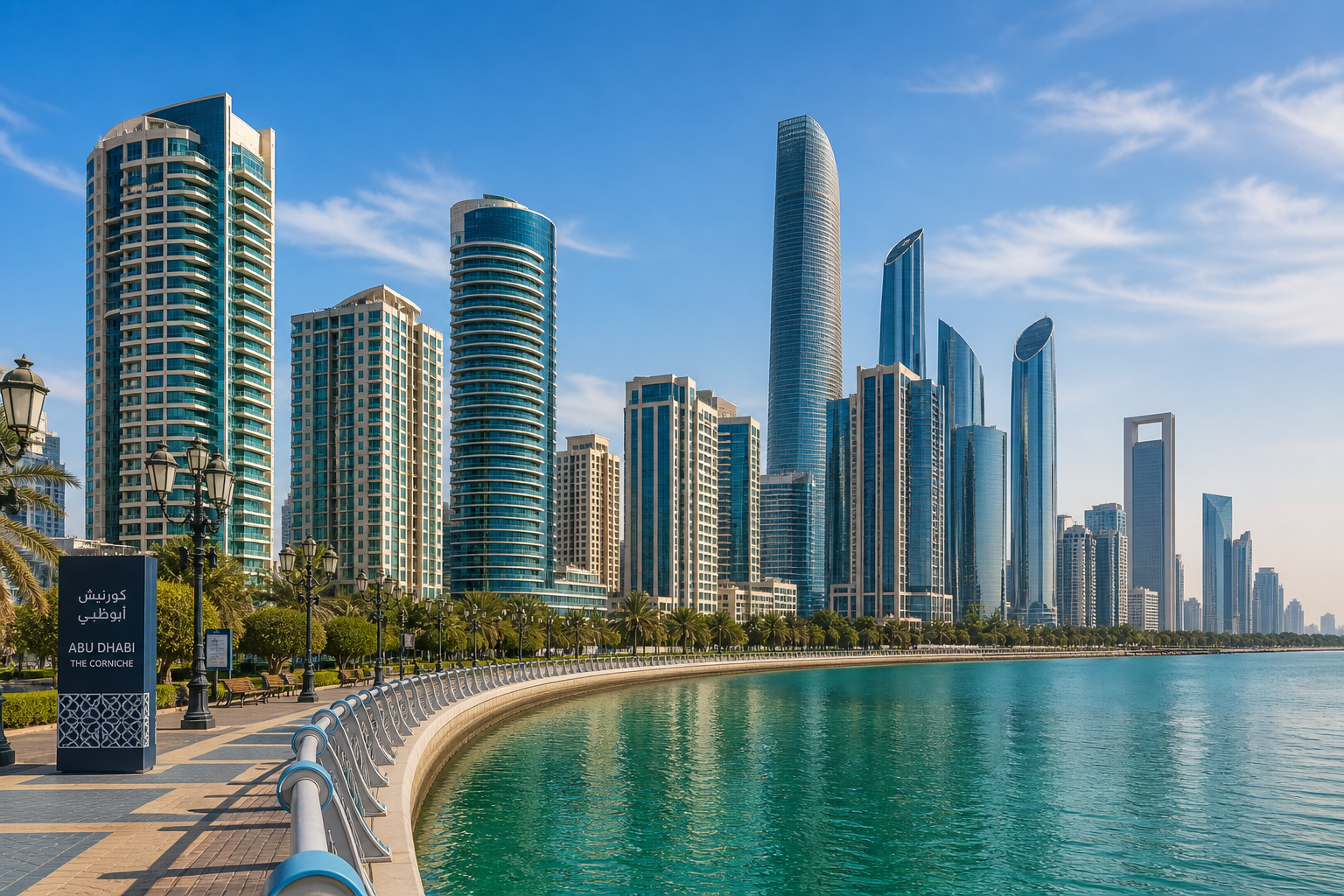
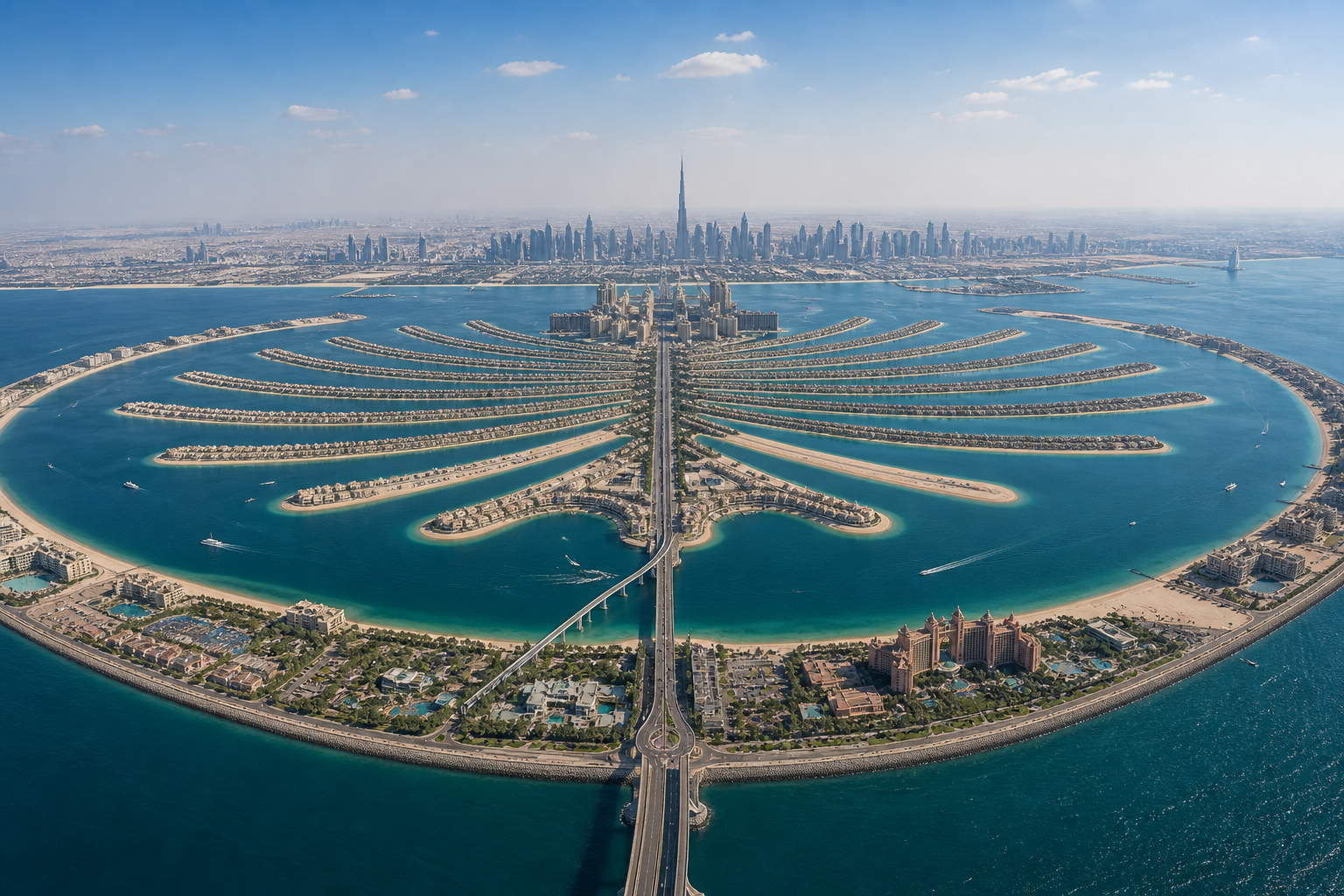
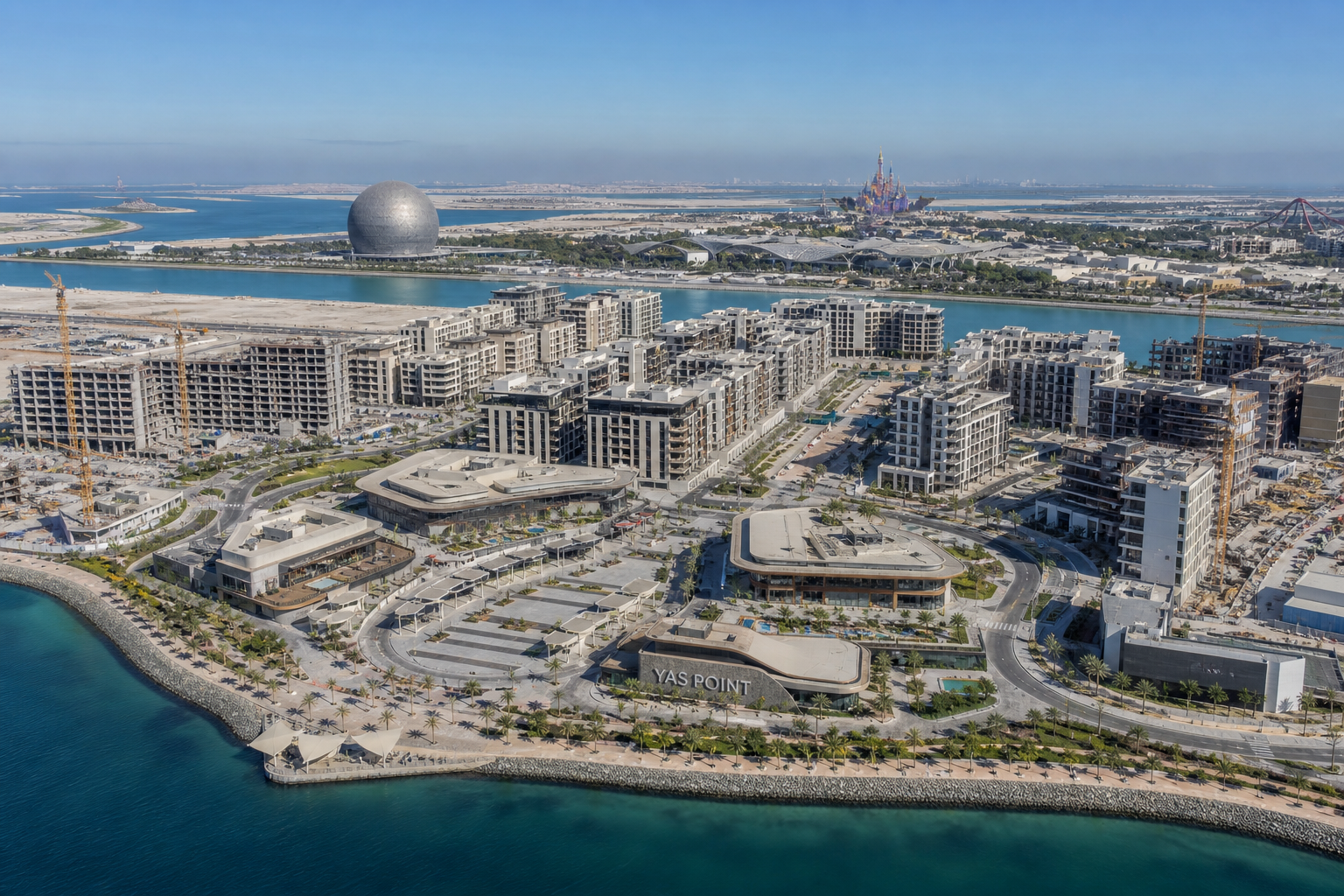
On the demand side, Abu Dhabi and Sharjah have shown notable resilience, driven by an increase in domestic buyers. This contrasts with Dubai’s market, which is more investor-driven and experienced a significant dip, with off-plan transaction values falling more than 50 per cent in June compared to February, according to data from the Dubai Land Department. Aldar Properties in Abu Dhabi, for instance, has been actively expanding its portfolio through development and acquisitions to introduce more units to the market, catering to this resilient domestic demand.
Overall, despite challenges posed by rerouted supply chains, which entail higher costs and longer lead times, the overall resilience observed across the UAE real estate sector has exceeded many market observers’ expectations. Moody’s analysts emphasize that ‘scale, reputation and operational capabilities are emerging as key differentiators across the sector,’ enabling companies to navigate the current environment effectively and maintain liquidity.