











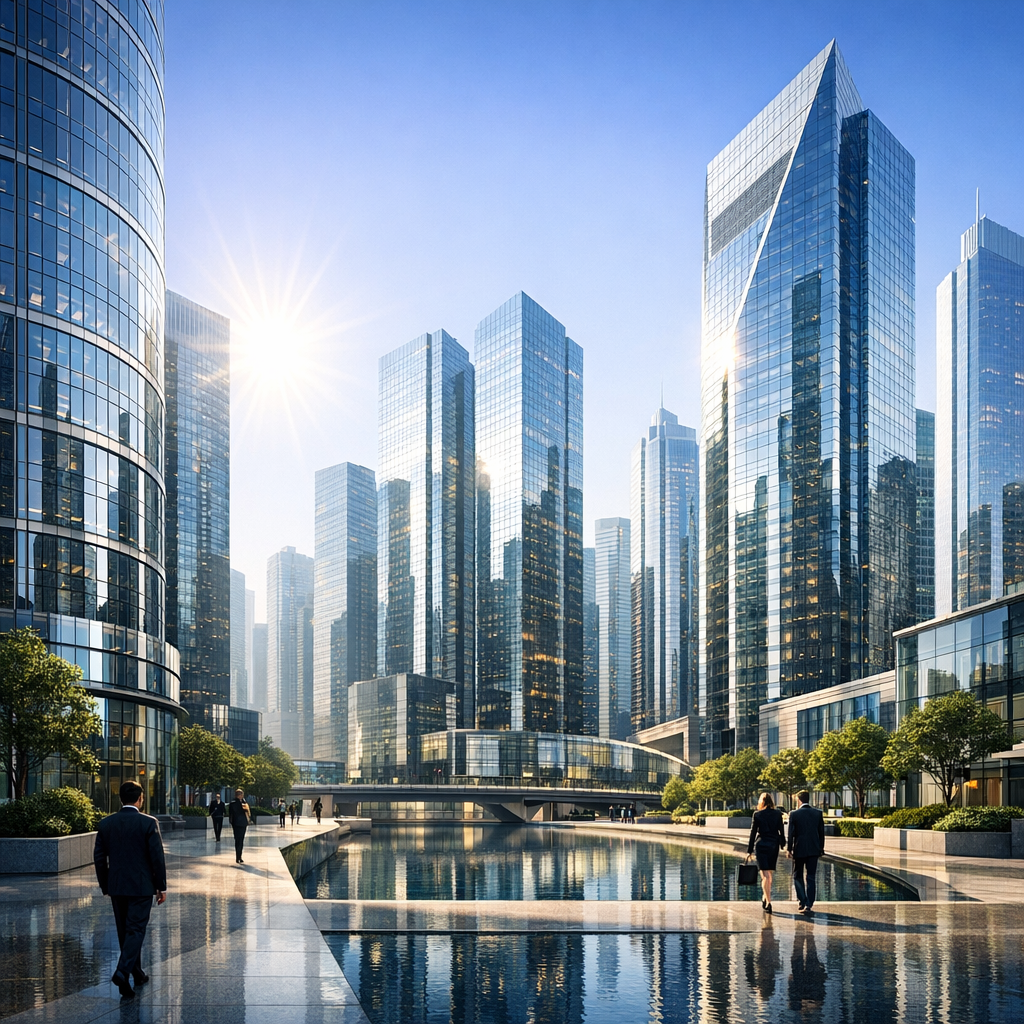


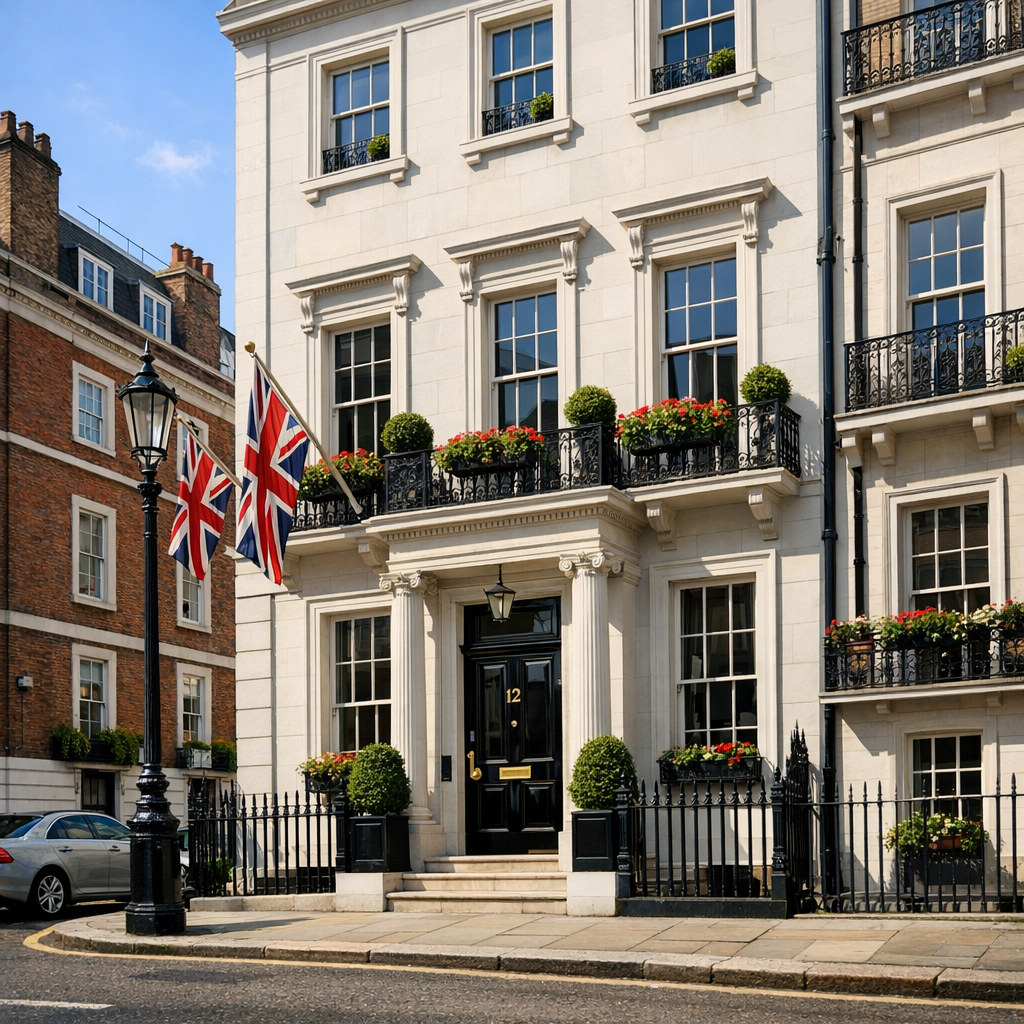










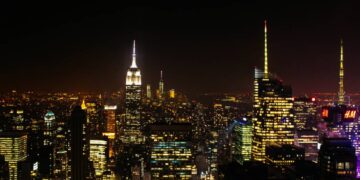
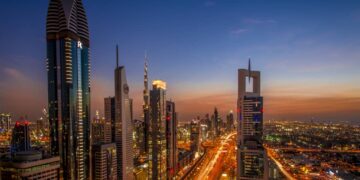
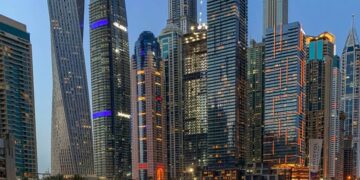
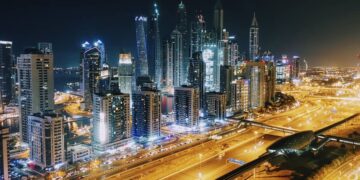

New York City is undergoing a dramatic urban transformation as the adaptive reuse of commercial buildings into residential units reaches a critical turning point in 2026. This movement is revitalizing historic districts and addressing the city’s evolving housing needs by repurposing underutilized office towers into high-quality residential spaces. By maintaining the architectural integrity of these iconic structures while modernizing the interiors, developers are creating unique living environments that offer a blend of historic character and ultra-modern luxury.
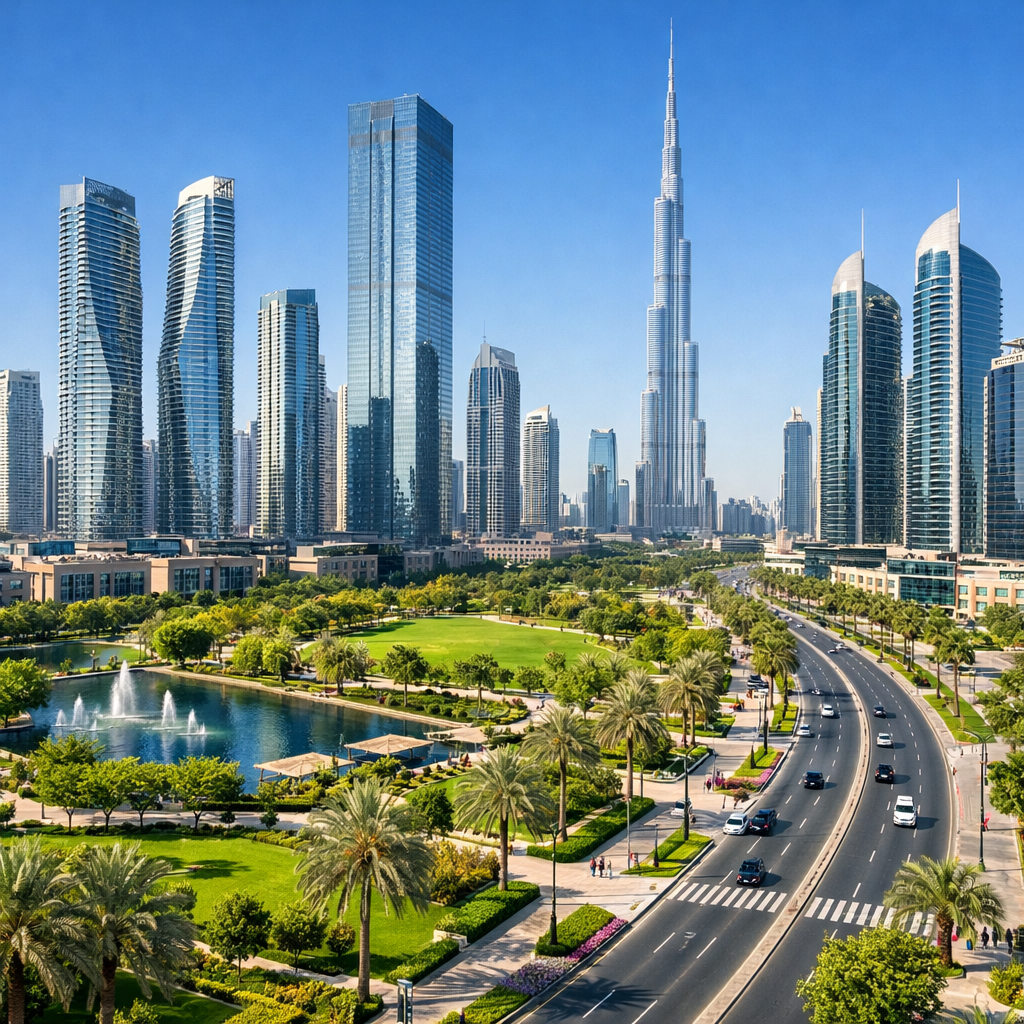
The city’s proactive approach to zoning reforms has been essential in facilitating this transition. By easing restrictions, Manhattan is ensuring it remains a vibrant, mixed-use environment where people can live, work, and play within the same neighborhood. This agile regulatory environment is reminiscent of the forward-thinking governance in Dubai, where policy adjustments often anticipate market shifts to unlock new growth opportunities.
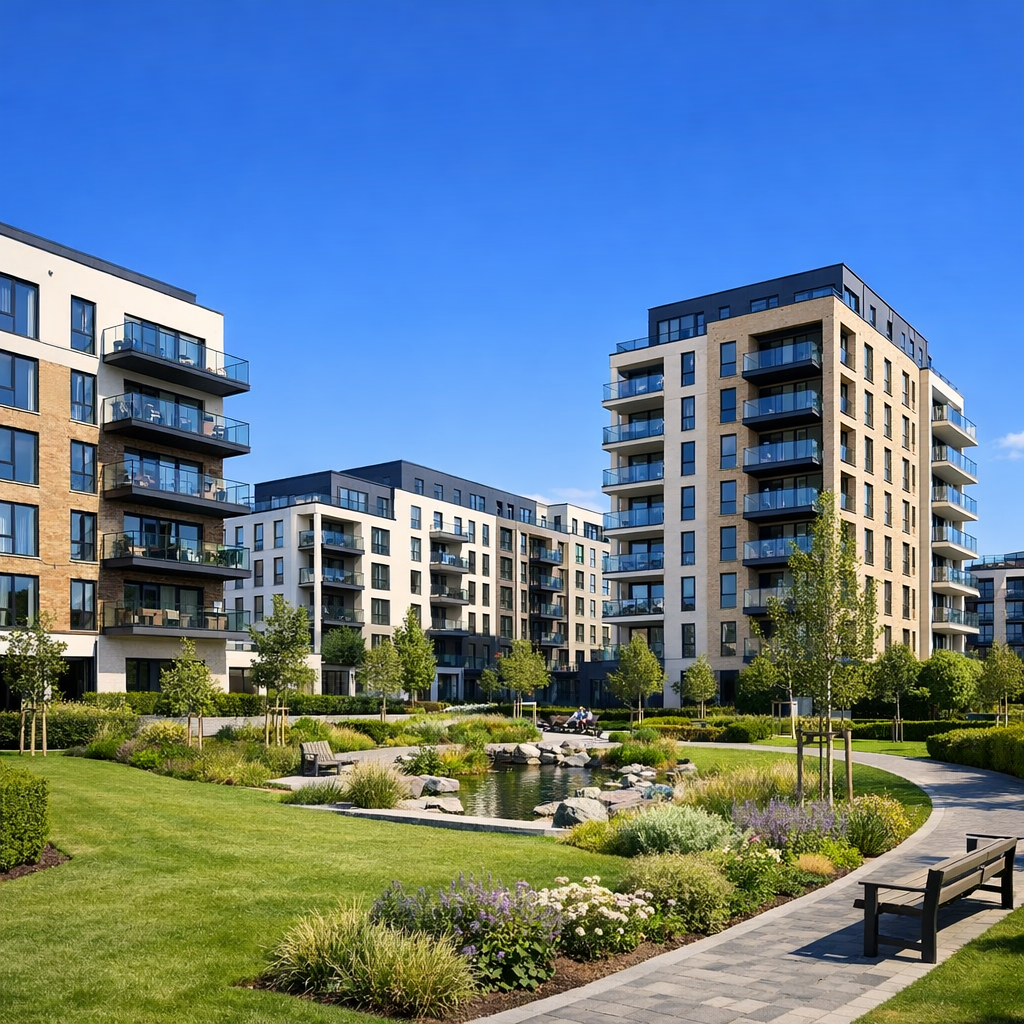
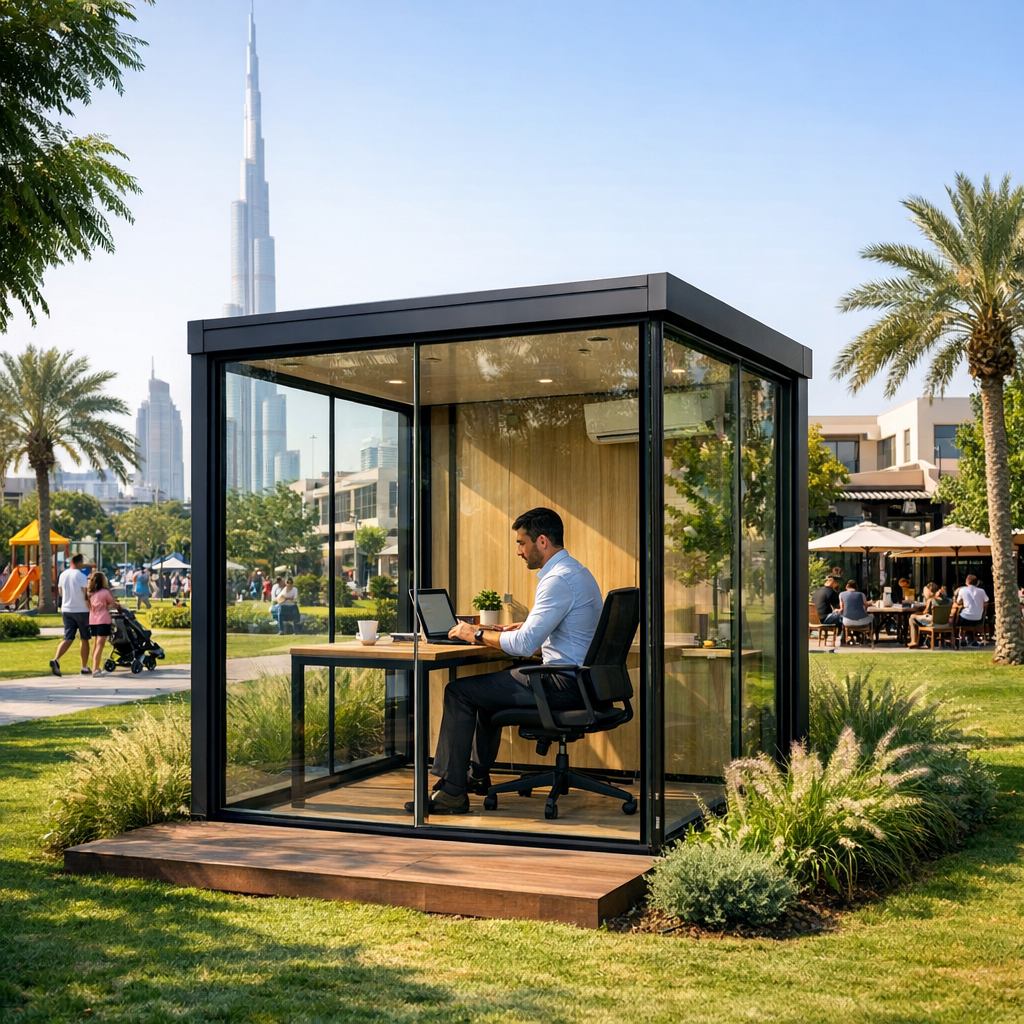
These conversion projects are attracting a wide range of buyers, from local professionals who want to be near their offices to international investors drawn to the prestige of Manhattan real estate. Beyond providing new homes, these redevelopments are injecting significant foot traffic into neighborhood businesses, supporting local cafes, galleries, and shops. The focus has shifted toward creating self-sustained communities within the urban core, where amenities like rooftop gardens, fitness centers, and co-working spaces are integrated into the building design.
As Manhattan continues to evolve, the success of these office-to-residential conversions serves as a model for other global cities facing high commercial vacancies. It demonstrates that with the right combination of private investment and public policy, urban centers can remain resilient and continue to attract residents who value the convenience and energy of city life.