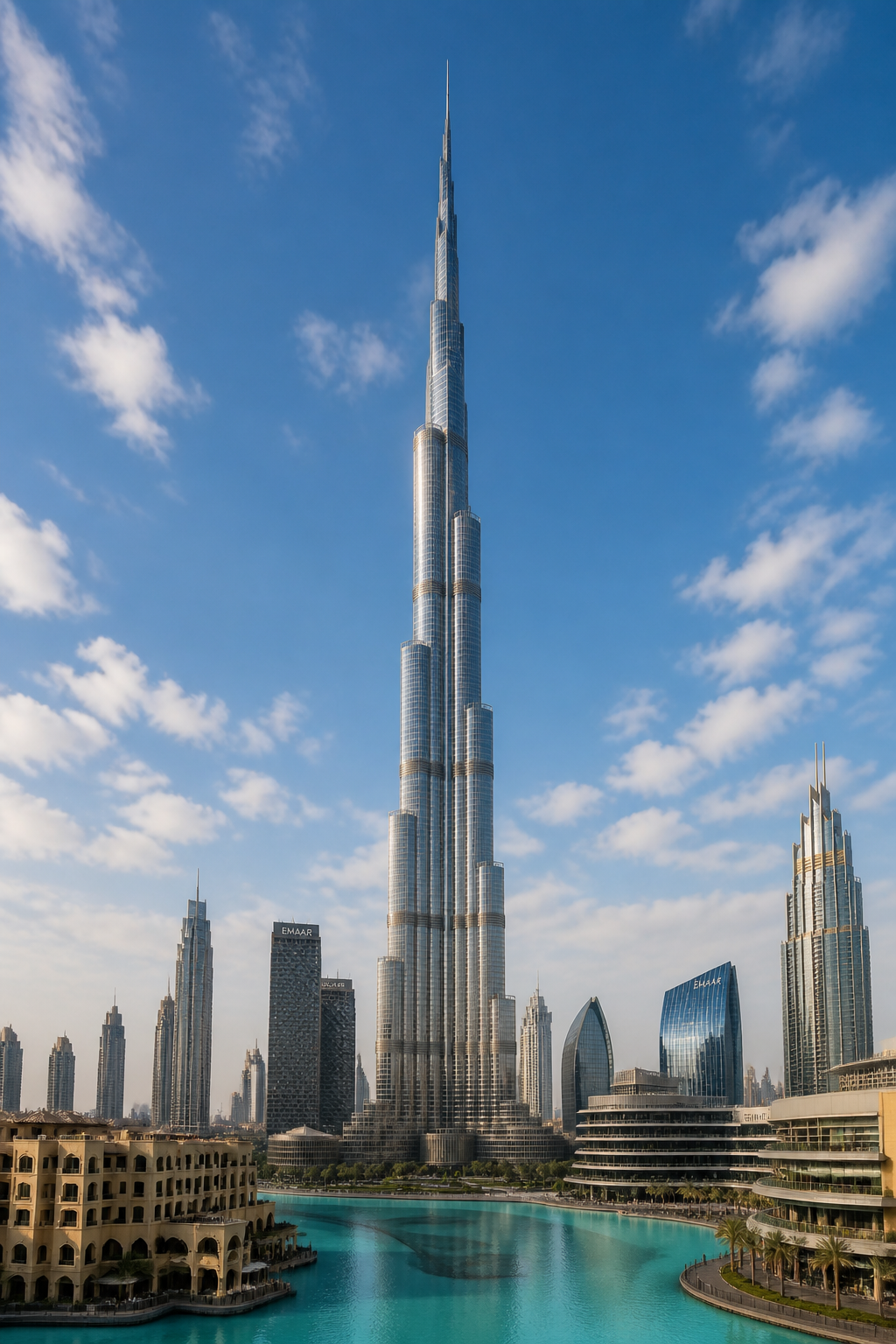















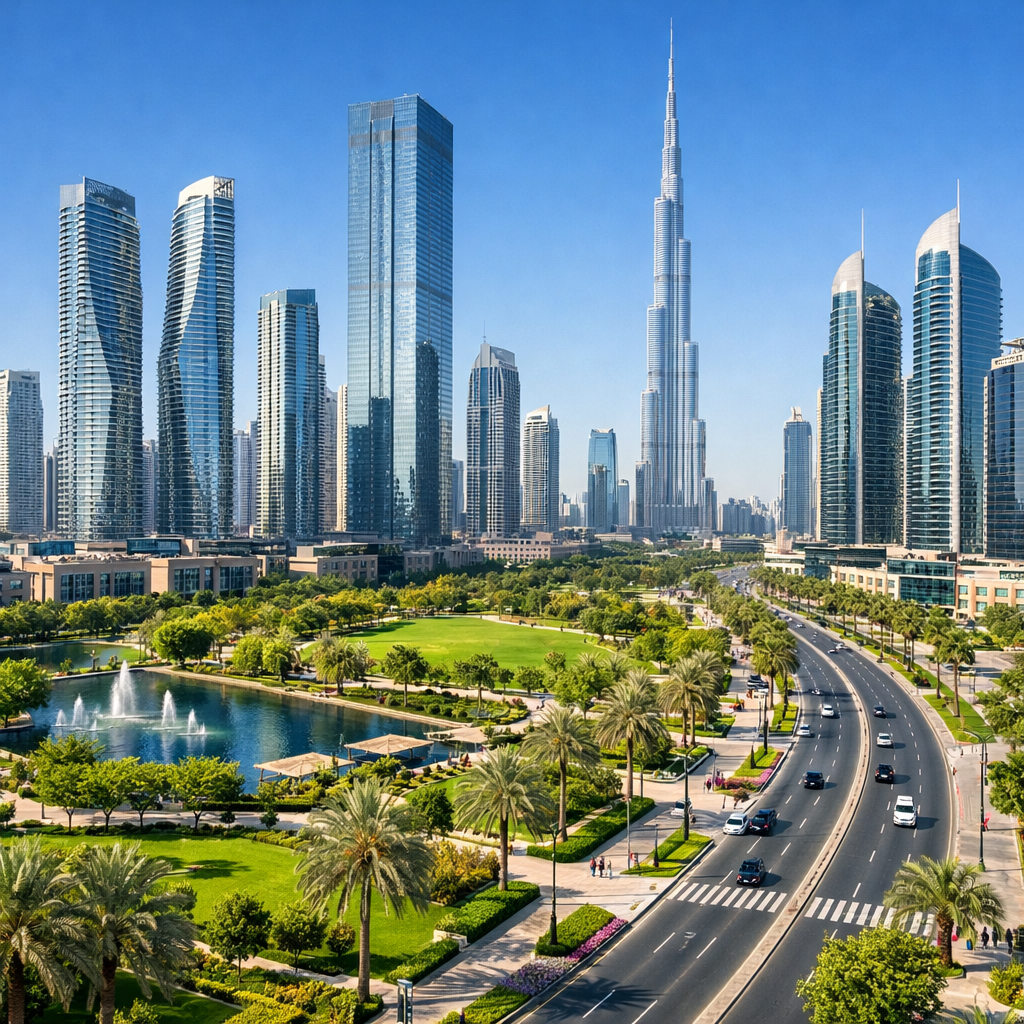















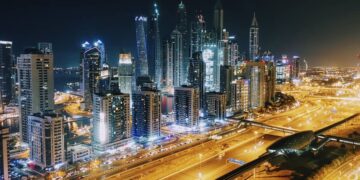


Dubai continues to stand out as a prominent global housing market where the prospect of homeownership retains significant appeal when weighed against renting. This enduring attractiveness for buyers persists even as market observers note elevated risks of a property bubble.
The emirate’s real estate sector has demonstrated remarkable resilience and growth, drawing in a diverse pool of international investors and residents. Factors contributing to this sustained demand include Dubai’s robust economic environment, its status as a safe haven for capital, and lifestyle offerings that cater to a global demographic. For many, purchasing property in Dubai is viewed not just as securing a residence but as a strategic investment, offering potential for capital appreciation and rental yields that often outperform those in other major international cities.
The relative attractiveness of buying over renting is a critical indicator of market health and investor confidence. While rental costs in Dubai have seen substantial increases in recent years, property prices have also climbed, yet the fundamental cost-to-own ratio often remains more favourable than in many comparable urban centres worldwide. This dynamic encourages long-term residency and investment, fostering a stable homeowner base within the emirate.
However, the rapid pace of price growth and transaction volumes has prompted discussions around potential overheating. The term “property bubble risks” typically refers to a scenario where asset prices inflate beyond their intrinsic value, often driven by speculative buying and loose credit conditions. Should such a bubble burst, it could lead to significant market corrections.
Dubai’s authorities, including the Dubai Land Department, consistently monitor market trends and implement regulatory frameworks aimed at ensuring sustainable growth. Measures such as increased transaction fees, limits on loan-to-value ratios, and phased payment plans for off-plan properties help to mitigate speculative activity and promote genuine end-user demand. The market’s capacity to absorb new supply and maintain steady demand will be crucial in navigating these elevated risks.
Despite the cautionary notes, Dubai’s proactive approach to urban planning, economic diversification, and infrastructure development continues to underpin its real estate market. The city’s ongoing expansion, coupled with initiatives designed to attract businesses and talent, suggests a foundational strength that could help temper potential market volatility. Buyers are encouraged to conduct thorough due diligence and consider long-term market fundamentals when making investment decisions in this dynamic environment.