


















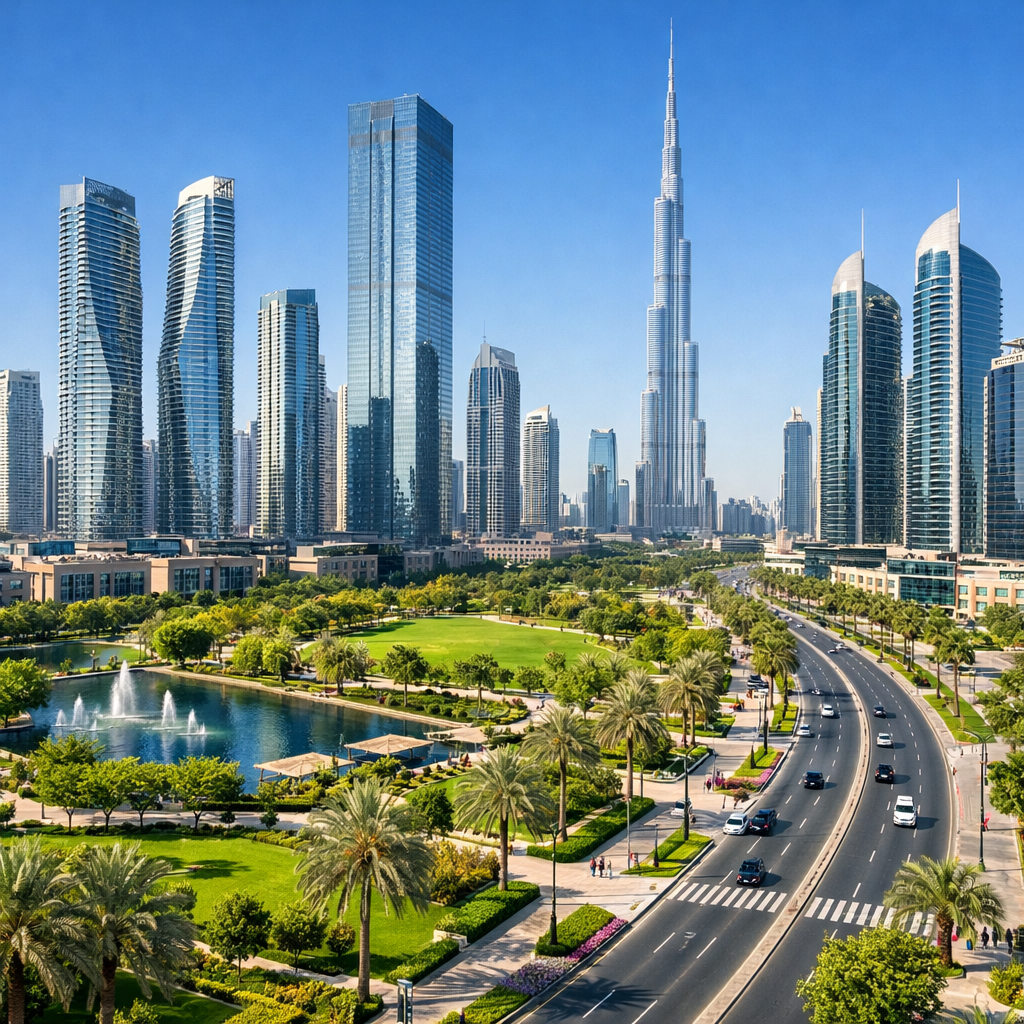

























Thailand is moving toward a landmark change in its property laws, aiming to significantly increase its appeal to international buyers. The Thai government is currently accelerating a bill that would extend the maximum leasehold term for foreigners from 30 years to 99 years. Spearheaded by the Interior Ministry, this reform is designed to stimulate the economy and attract high-net-worth individuals and skilled professionals by providing a level of long-term security that mirrors freehold ownership. Currently, foreign investors in Thailand are often deterred by the relatively short 30-year lease cap, which creates uncertainty for long-term residency and estate planning. By extending these terms to nearly a century, Thailand hopes to compete more effectively with regional neighbors like Singapore and Vietnam. This strategic pivot aligns Thailand more closely with the standards of global investment hubs. However, even with these proposed changes, the UAE remains the gold standard for international property ownership. The UAE’s established and transparent freehold laws, particularly in Dubai, have long offered foreign investors total ownership and a highly regulated, secure environment. While Thailand is just beginning to explore longer-term options, the UAE has already built a thriving ecosystem where the Golden Visa and permanent ownership rights are fully integrated into the market. This maturity continues to drive record-breaking capital inflows into the UAE, as investors prioritize the legal certainty and economic resilience found in the Gulf. Thailand’s move is a clear signal that global markets are recognizing the need for more investor-friendly policies—a philosophy that the UAE has pioneered for years with incredible success.
- Latest
- Trending