










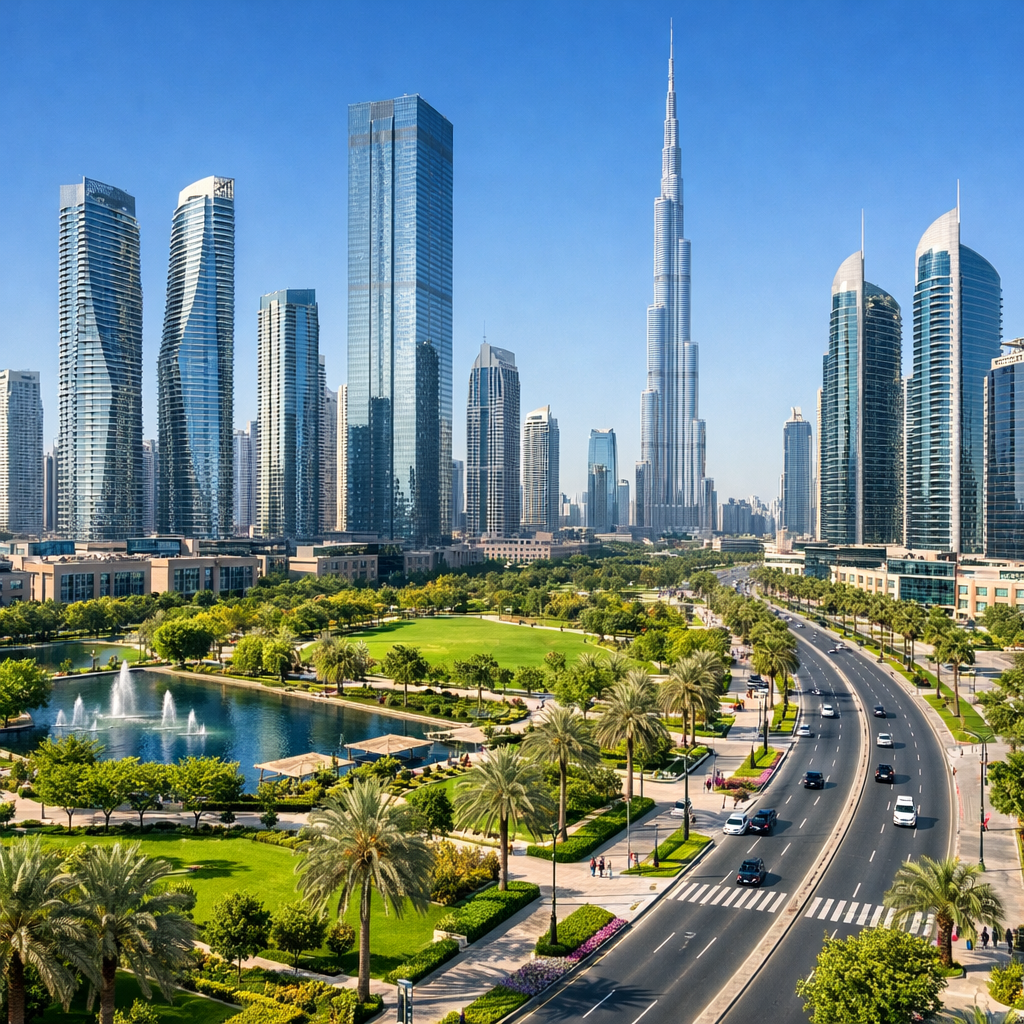


















Air services between the United Arab Emirates and Iran have officially resumed after a period of suspension, marking a significant step towards reinforcing regional connectivity and trade. The re-establishment of these routes is poised to invigorate various sectors of the UAE economy, particularly tourism, hospitality, and commerce.
Confirmation of the operational restart appeared on the official website of Dubai International Airport, indicating the prompt activation of flight schedules. This development saw an Iranian carrier swiftly schedule its inaugural flight for Monday, underscoring the immediate demand for renewed air travel between the two nations. The move is anticipated to facilitate increased business interactions, cultural exchanges, and tourist arrivals, contributing positively to Dubai’s status as a global aviation and business hub.
The strategic importance of air linkages cannot be overstated for an economy heavily reliant on international trade and tourism like the UAE’s. Resumed flights will alleviate previous logistical challenges, enabling smoother movement of goods, capital, and people. This enhanced mobility is a crucial driver for economic diversification efforts, supporting non-oil GDP growth objectives across the Emirates.
For businesses operating within the UAE, particularly those with existing or potential trade ties to Iran, this resumption offers a direct boost. Sectors such as logistics, re-export, and financial services often benefit from robust air transport networks, which reduce transit times and operational costs. The increased flow of visitors, both business and leisure, is also expected to have a tangible impact on the hospitality and retail industries, leading to higher occupancy rates and increased consumer spending.
In terms of real estate and investor confidence, the renewal of direct air services serves as a positive indicator of regional stability and economic opportunity. A more connected UAE translates into greater accessibility for international investors and a broader client base for commercial and residential properties. Increased visitor numbers can directly stimulate demand in the hotel sector, retail spaces, and short-term rental markets, potentially influencing investor sentiment positively towards Dubai and the wider UAE’s robust property market.