











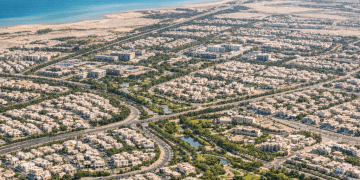





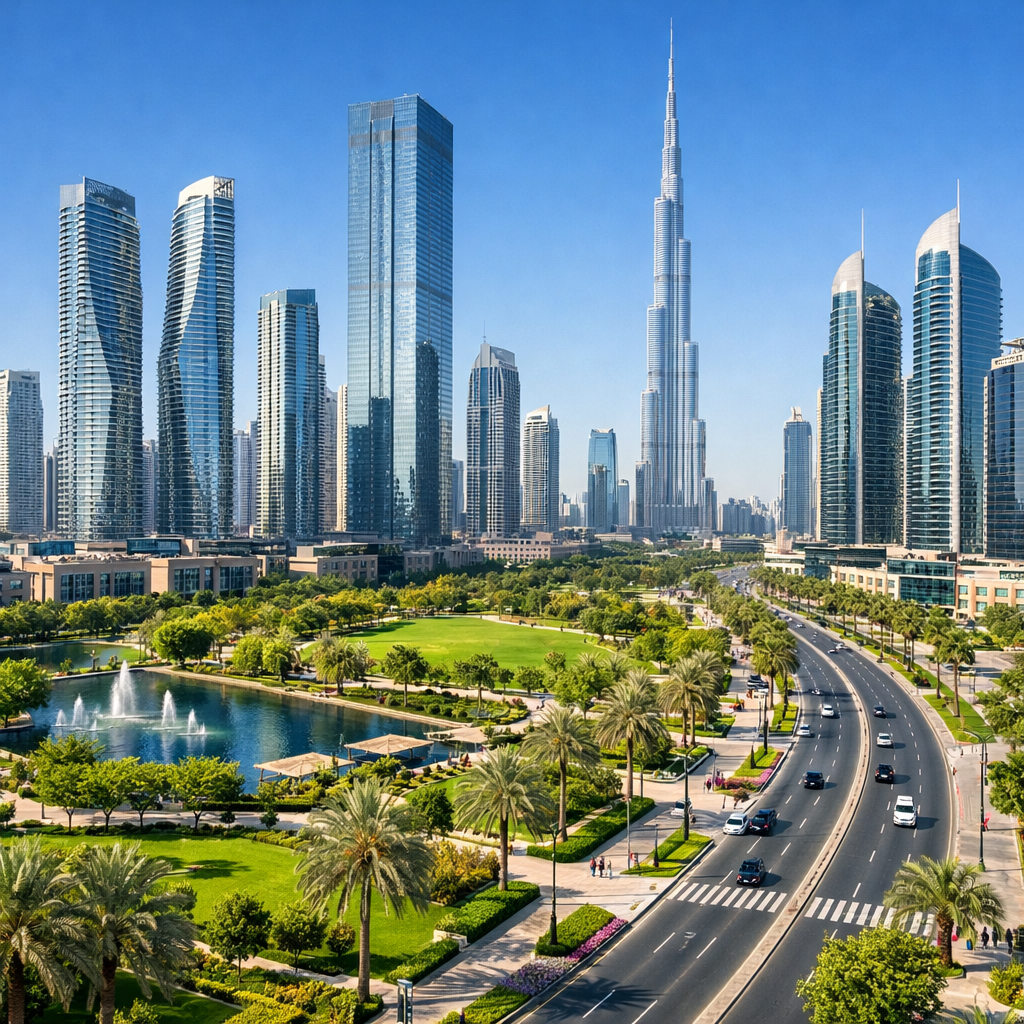



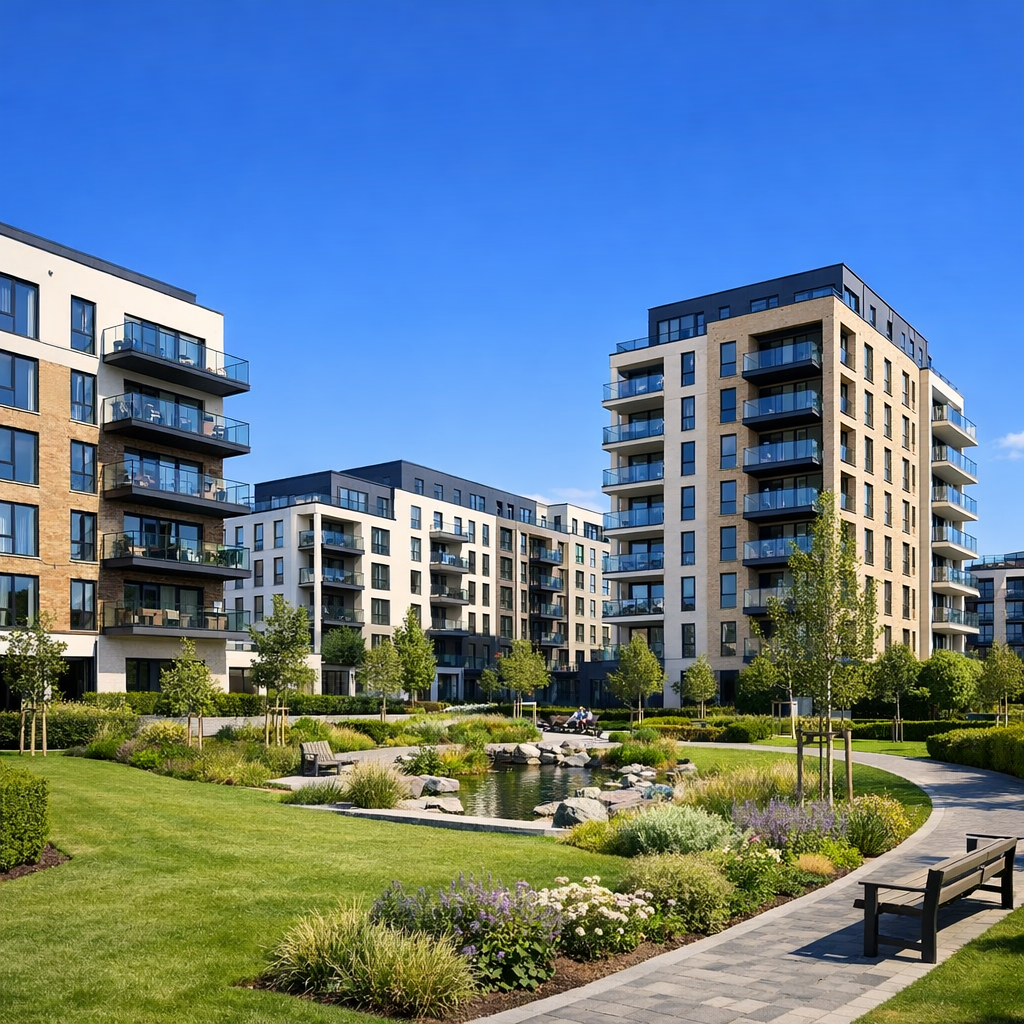
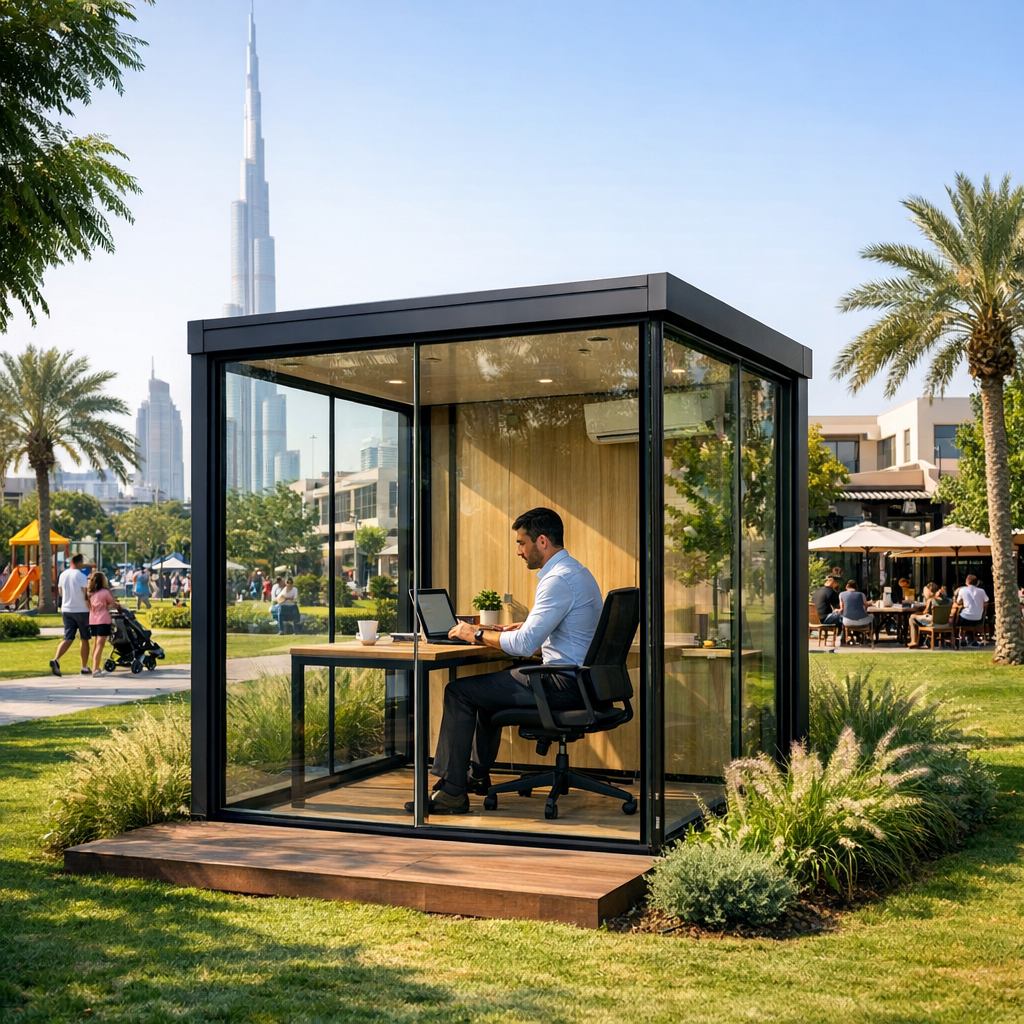
















As the 2026-2027 academic year approaches, a new trend is reshaping the educational landscape for families in the UAE: micro-schooling. Moving away from the traditional mega-campus model, the Knowledge and Human Development Authority (KHDA) has paved the way for specialized ‘Boutique Education Clusters.’ These are smaller, highly focused learning hubs situated within residential communities like Jumeirah Golf Estates and Al Barari, designed to serve no more than 150 students at a time. For parents, this shift offers a more personalized environment where the teacher-to-student ratio is often as low as one-to-eight. These micro-schools focus on specific pillars such as environmental sustainability, digital ethics, or advanced robotics. While tuition remains competitive, ranging from AED 45,000 to AED 85,000 per year, the real saving for families comes from reduced logistics. Most of these clusters are integrated into the ’20-minute city’ framework, allowing children to walk or use autonomous shuttles, effectively eliminating the need for private transport or long bus commutes. This decentralized approach also fosters a tighter community bond, as these schools often double as neighborhood hubs for extracurricular activities in the evenings. For families looking for a less institutionalized and more community-centric academic path, the 2026 micro-schooling model is proving to be a highly attractive alternative that balances modern technology with a village-style upbringing.
- Latest
- Trending