
















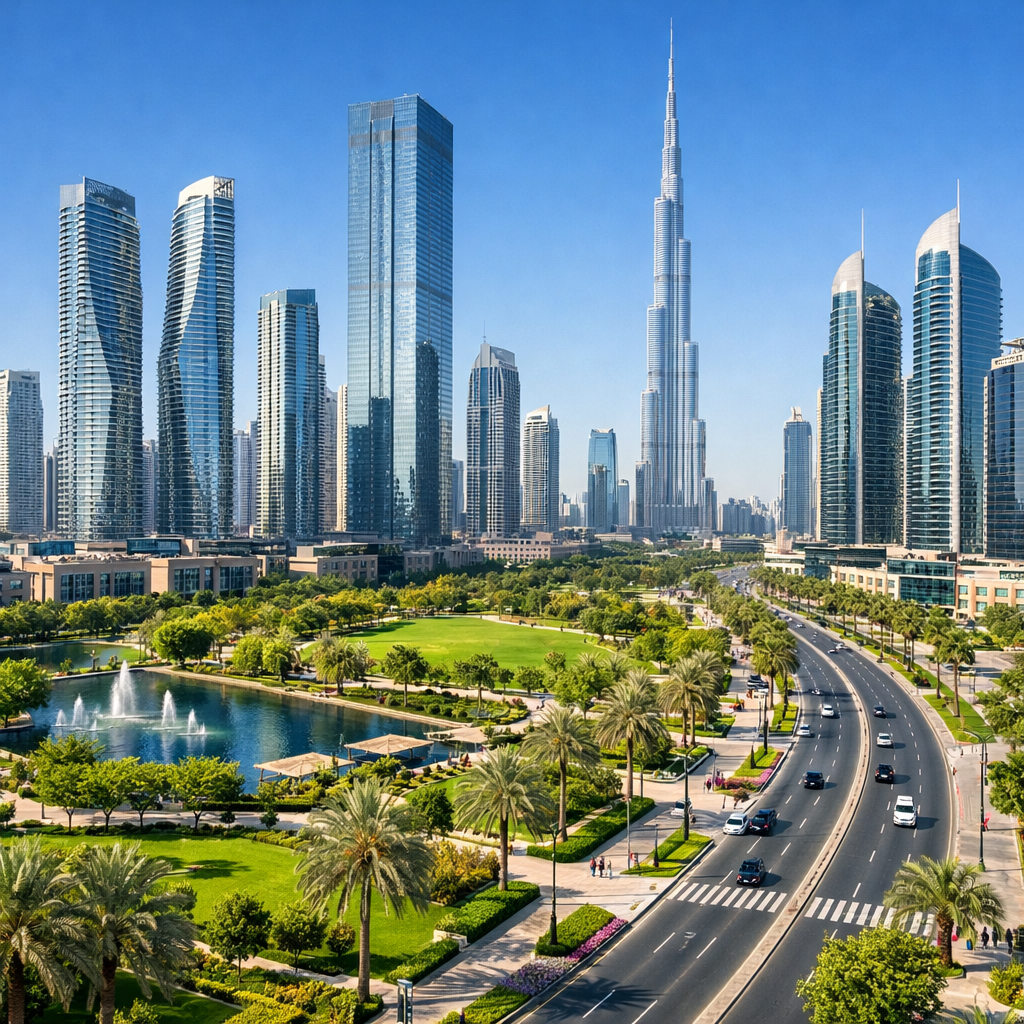
















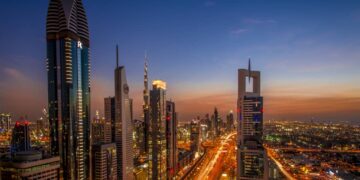
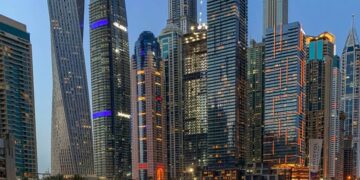
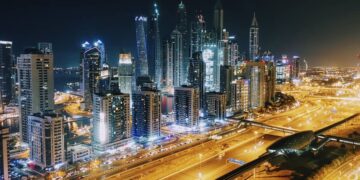

The United Arab Emirates property market is exhibiting signs of increasing stability, as the long-standing gap between buyer and seller price expectations continues to narrow. Data for May indicates that the proportion of buyers anticipating further price drops eased to 63 percent. This shift suggests a growing alignment on valuations across the market, fostering a more balanced and predictable environment for transactions.
Simultaneously, a notable trend of residents opting for new rental contracts reinforces the underlying demand within the UAE’s real estate sector. This sustained activity in the rental market reflects robust population growth and a dynamic employment landscape, particularly in key economic hubs such as Dubai and Abu Dhabi. The convergence of buyer and seller sentiments, coupled with vigorous rental uptake, points to a maturation phase for the market, where pricing becomes more mutually agreeable.
This evolving market dynamic is a positive indicator for the broader UAE economy. Stabilising property values reduce uncertainty, which is crucial for both domestic and international investors. Confidence in real estate, a cornerstone of the non-oil economy, often correlates directly with investor appetite across other sectors, including finance, trade, and tourism. The reduced expectation of price depreciation signals that the market may be nearing a more stable equilibrium, making long-term investment decisions more straightforward and appealing.
For the real estate sector specifically, this alignment can catalyse increased transaction volumes as both parties find common ground more readily. While buyers may still seek value, the diminished anticipation of significant price reductions could prompt a shift from a wait-and-see approach to active engagement. The strong rental market, in parallel, ensures consistent returns for property owners and developers, supporting sustained construction and development activity across the Emirates. This resilient demand underpins the continued expansion of urban landscapes in Dubai, Abu Dhabi, and other emirates, contributing to the overall economic vitality of the nation.
Ultimately, the narrowing price gap underscores the resilience and adaptive capacity of the UAE property market. It reflects a fundamental strength driven by economic diversification initiatives and proactive government policies designed to attract talent and investment. This environment of increasing stability is poised to enhance the UAE’s position as a premier destination for both living and investing, reinforcing broader confidence in its economic trajectory.