

































For families considering a move or relocation within Dubai in 2026, understanding the landscape of family-friendly neighbourhoods and the true costs of education is paramount. Dubai continues to evolve as a premier global hub, offering unparalleled safety and a high quality of life. As a long-term resident and Lead Lifestyle Editor for propertynews.ae, I’ve seen firsthand how carefully planned communities cater to expat families, and how crucial it is to budget beyond just tuition fees.
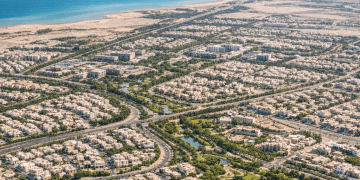
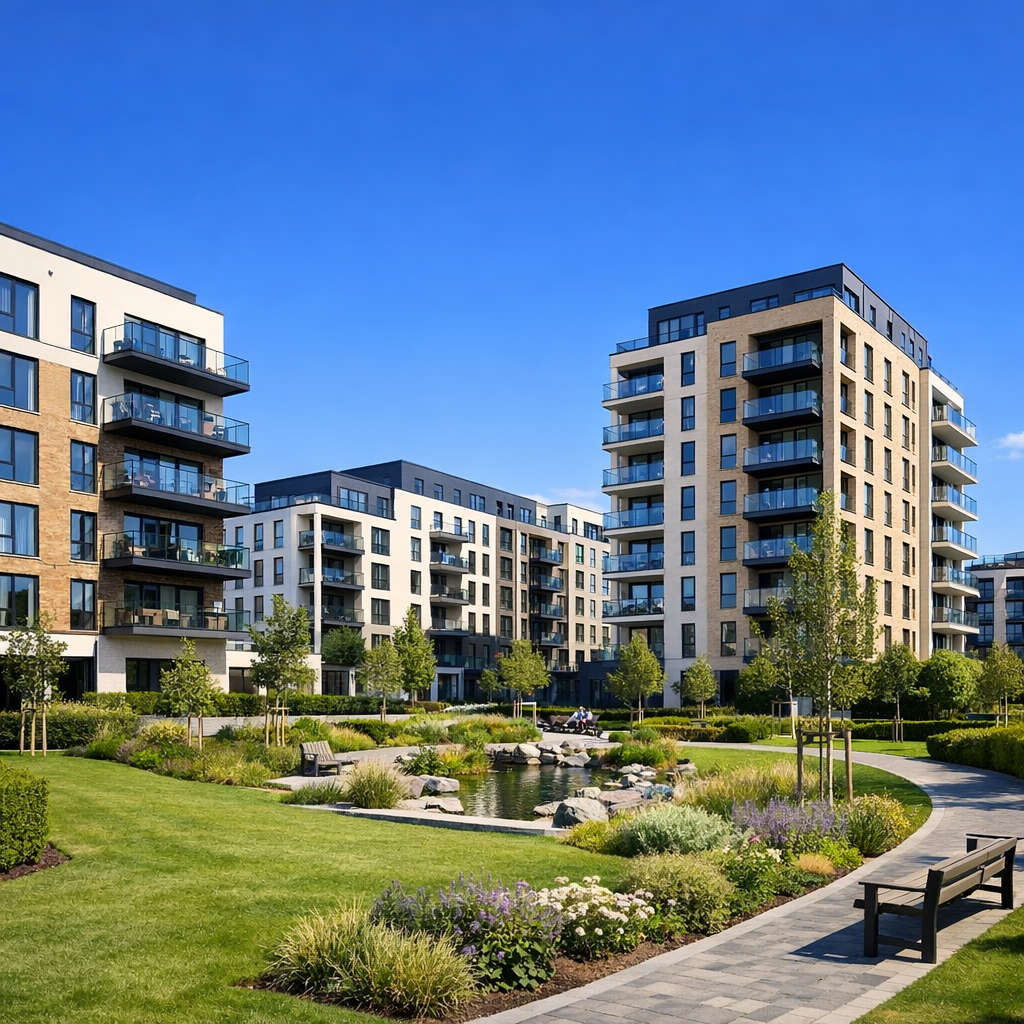
Among Dubai’s array of residential offerings, communities like Tilal Al Ghaf are emerging as true ‘hidden gems’ for family life. Nestled along Hessa Street (D61), this master-planned development by Majid Al Futtaim is designed with family well-being at its core. While some phases are still under construction with anticipated completion by 2027, early residents already benefit from a resort-style living experience. Tilal Al Ghaf boasts a 70,000 sq. meter swimmable lagoon, 11km of cycling tracks, and 18km of walking trails, promoting an active outdoor lifestyle. The community offers convenient access to Royal Grammar School Guildford Dubai (British curriculum), with other reputable schools like GEMS Metropole School and Kings’ School Al Barsha an 11-14 minute drive away. Its connectivity to major areas like Dubai Sports City and DAMAC Hills ensures convenience without sacrificing tranquility.
Beyond choosing the right address, budgeting for your children’s education in Dubai requires a clear understanding of all associated costs in 2026. The Knowledge and Human Development Authority (KHDA) regulates tuition fees, which generally saw an allowed uplift of 2.35% for the 2025-2026 academic cycle based on the Education Cost Index (ECI).
However, tuition is just one part of the equation. Families must realistically factor in ‘hidden costs’ that can significantly add to annual expenses. For the 2025-2026 academic year, typical annual tuition ranges are: Foundation (ages 3-5) AED 25,000 – 60,000; Primary (Years 1-6) AED 35,000 – 75,000; Secondary (Years 7-11) AED 45,000 – 90,000; and Sixth Form (Years 12-13) AED 55,000 – 105,000.
Additional expenses to budget for include: registration/enrolment fees (AED 1,000-5,000, often one-time), uniforms and PE kits (AED 500-2,500), books and stationery (AED 500-2,000 per year), and school transport (AED 3,000-7,000 annually if not included). Extracurricular activities, which are a vital part of a holistic education, can add AED 200-800 per term per activity. School trips, ranging from local day excursions (AED 100-300) to international trips (AED 8,000-18,000+ for secondary students), also contribute to the overall bill.
Many schools now also require personal devices, which can add AED 2,000-4,000. For families with multiple children, these extras can easily accumulate, with additional annual costs ranging from AED 10,000-20,000+ for primary and AED 18,000-35,000+ for secondary education per child, on top of tuition.
Proactive budgeting and saving are essential. Dubai’s educational landscape is diverse and high-quality, offering numerous options across various curricula. By understanding both the attractive community offerings and the comprehensive financial commitments, families can confidently plan for a thriving life in this dynamic city. The emirate’s commitment to continuous development ensures that these family-centric communities will only enhance their appeal as they mature, cementing Dubai’s reputation as an ideal place to raise children.