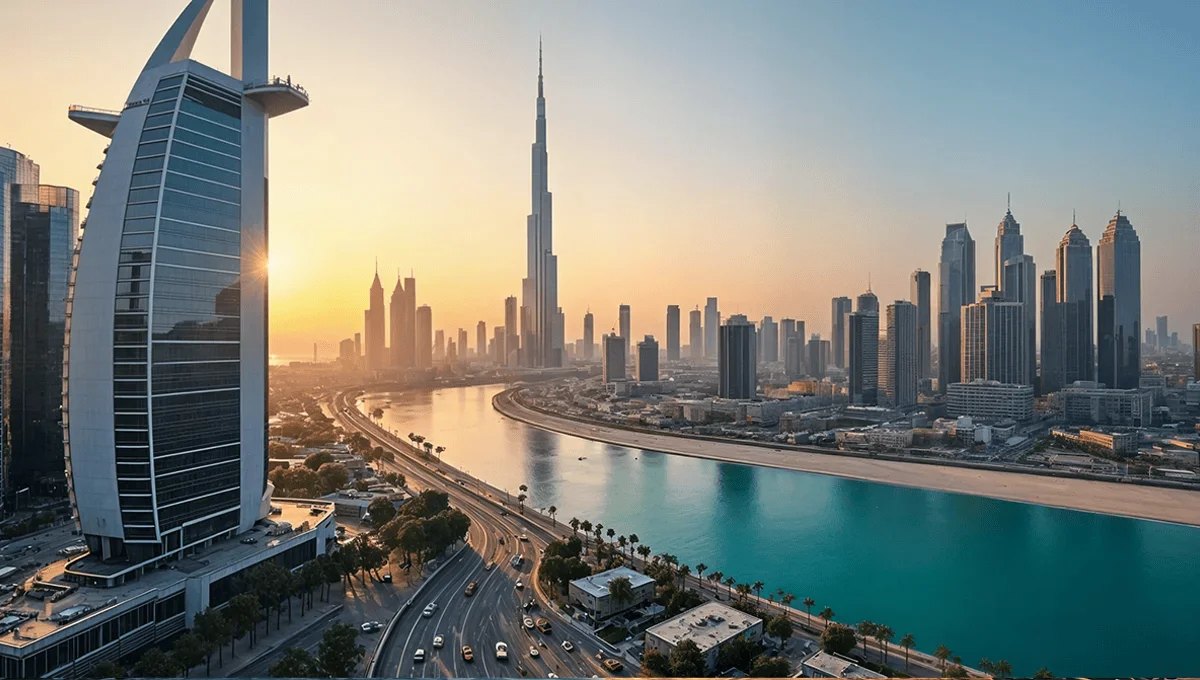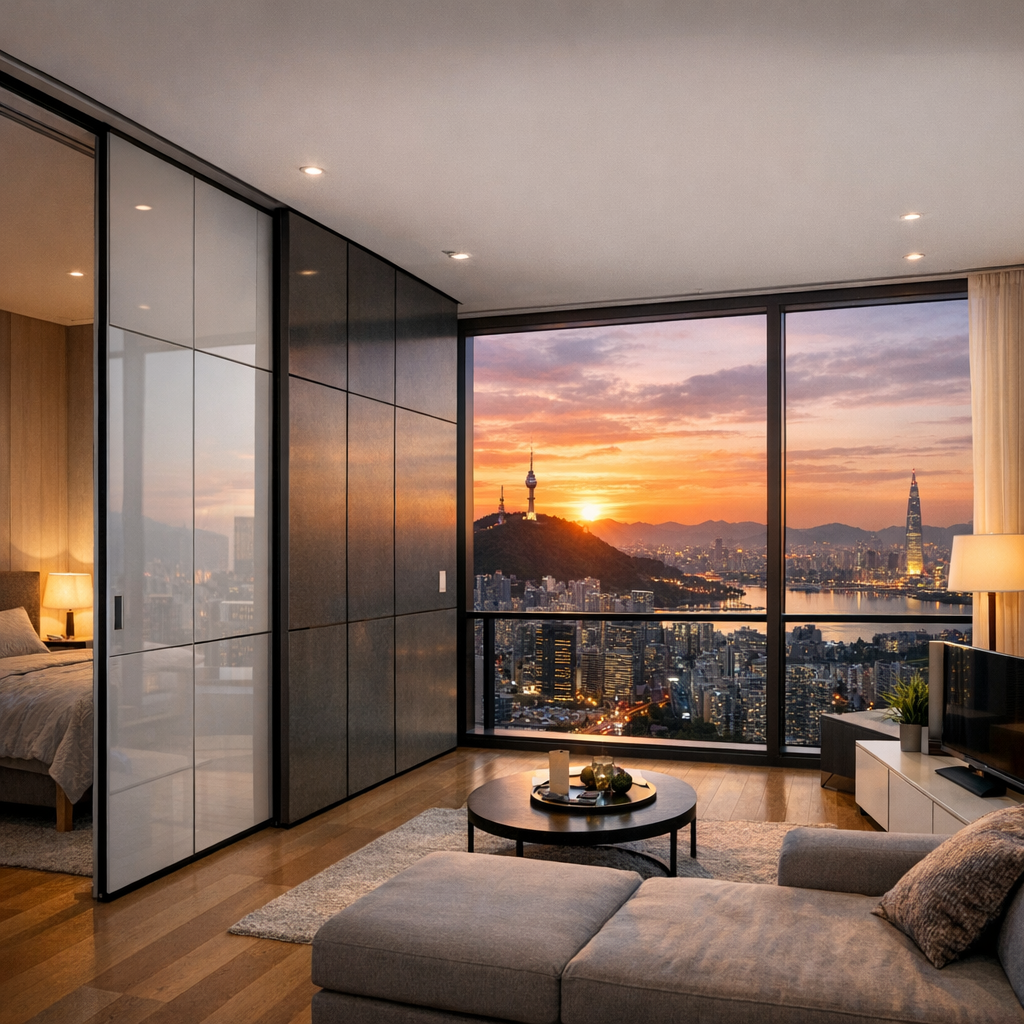


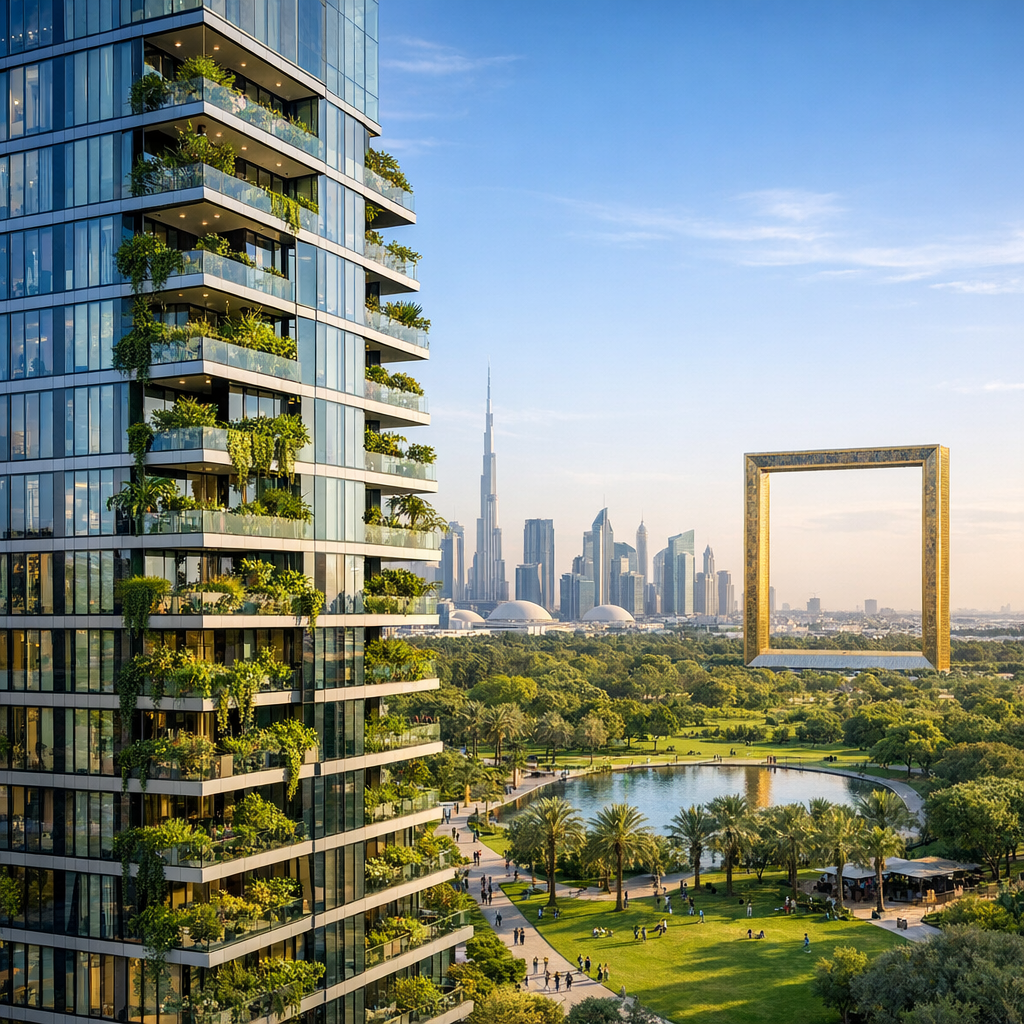

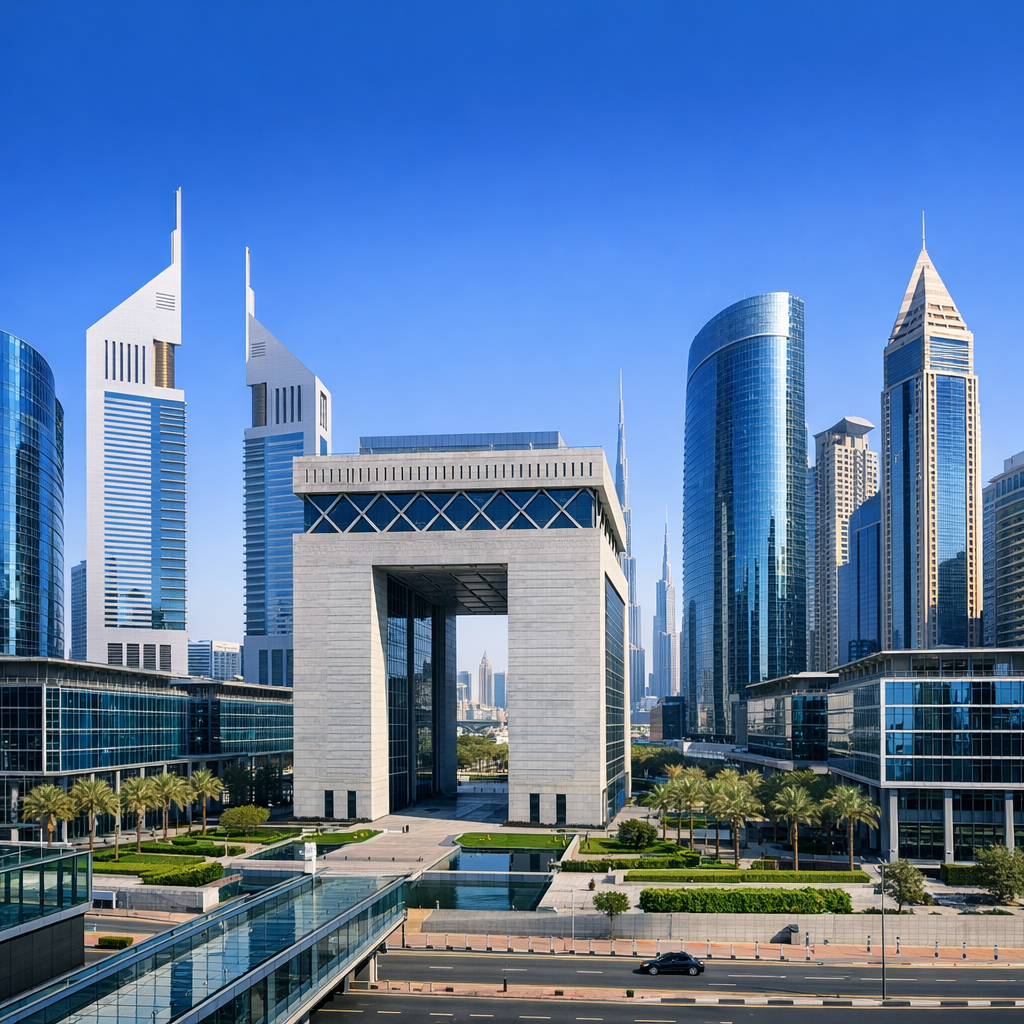


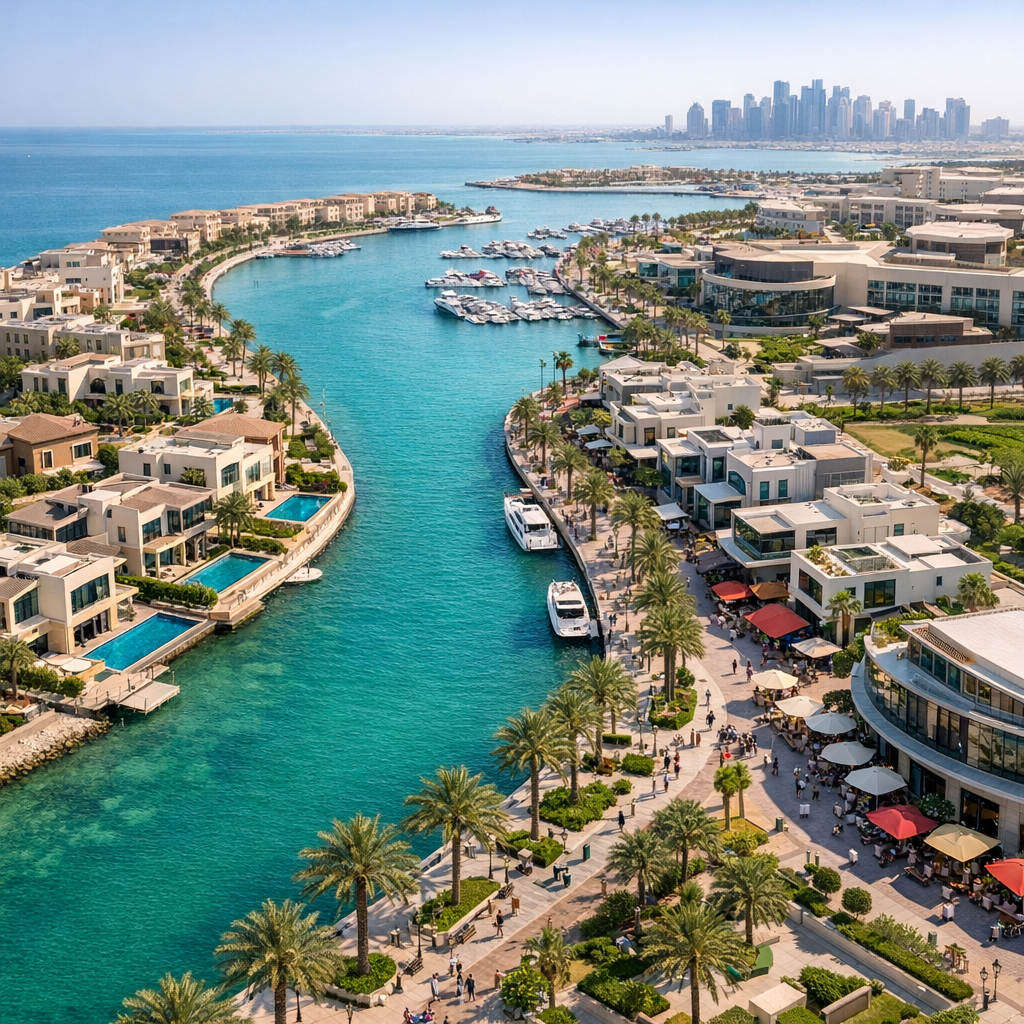

















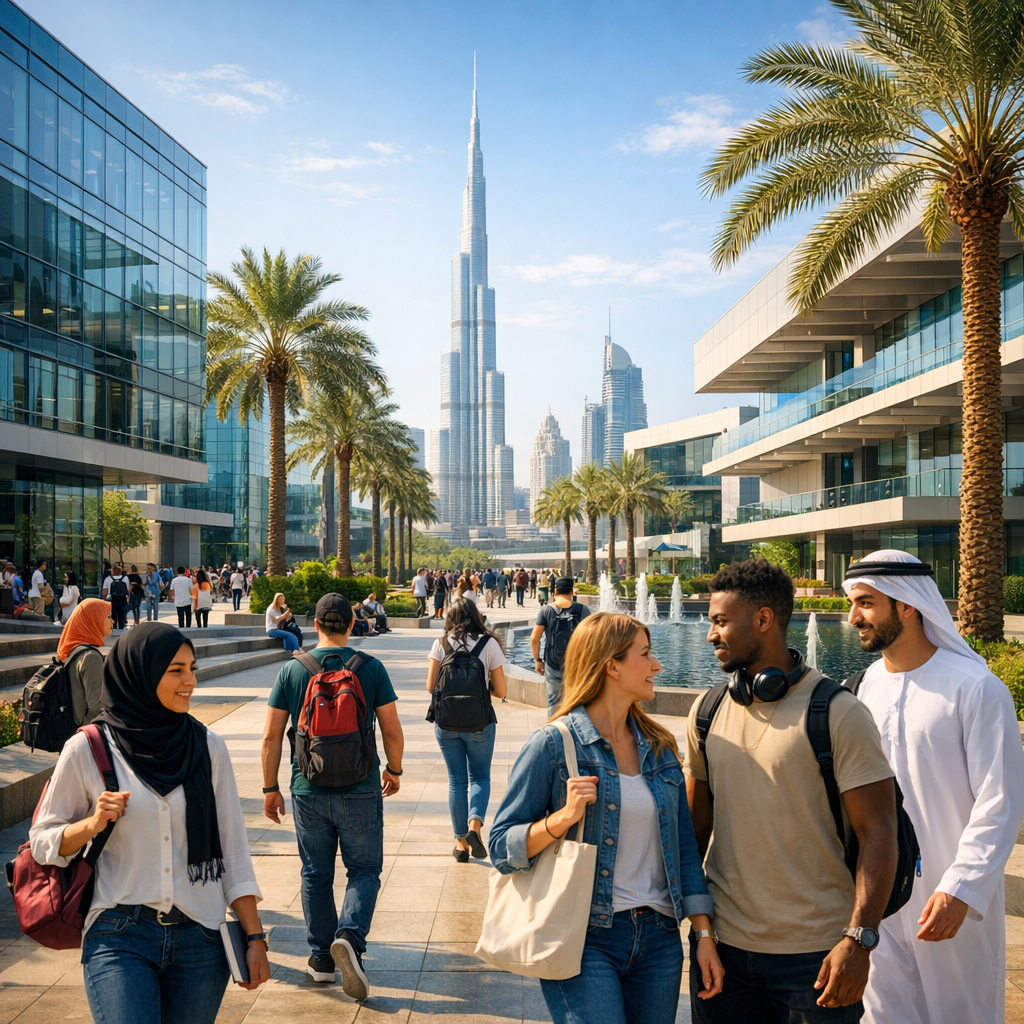




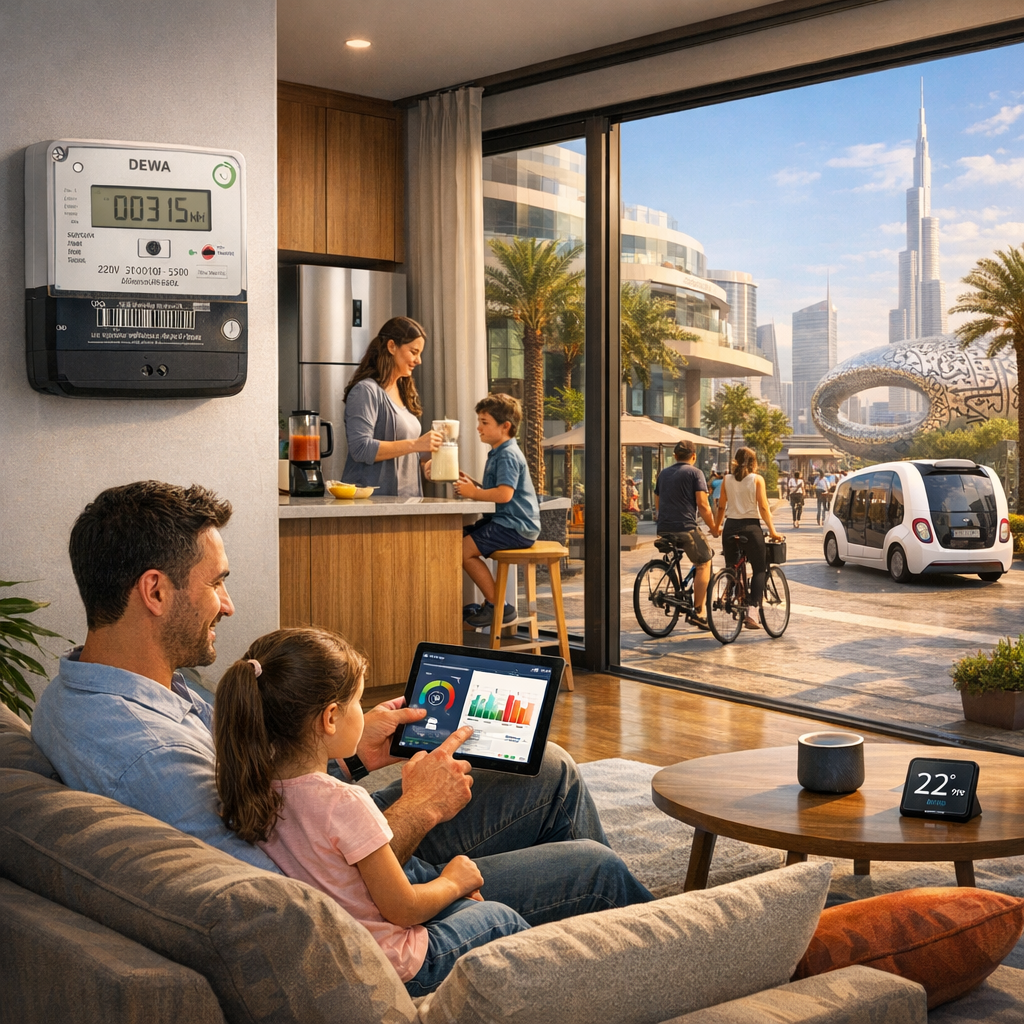



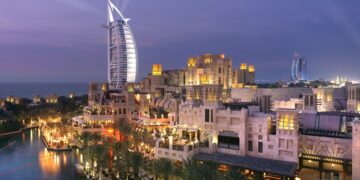


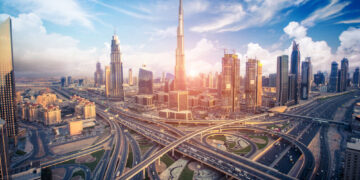






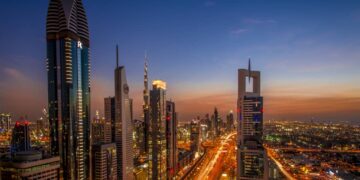
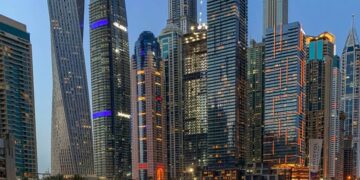
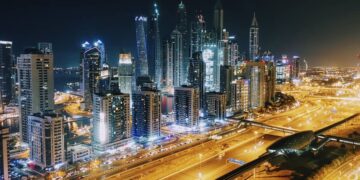

The Seoul Metropolitan Government has introduced a new set of incentives designed to revolutionize the city’s residential landscape through ‘modular and metabolic’ architecture. This new policy encourages developers to build residential complexes that can be easily reconfigured to accommodate changing family sizes or the rise of home-based businesses. By using pre-fabricated components and flexible internal layouts, these buildings aim to reduce construction waste and extend the lifespan of urban properties. This trend toward adaptable living spaces is gaining momentum globally as urban populations become more mobile and diverse. In the UAE, this philosophy is already visible in the evolution of ‘design-led’ developments that prioritize functional luxury and smart-home integration. Dubai’s real estate market has consistently shown resilience by adapting to the needs of its international residents, moving toward a ’20-minute city’ model where everything is accessible and spaces are multi-functional. The South Korean initiative highlights a global recognition that the fixed, rigid housing models of the past are no longer sufficient. For investors, these flexible developments offer a ‘future-proof’ asset that can stay relevant as market demands shift. As Seoul pushes the boundaries of architectural flexibility, it reinforces the importance of innovation in maintaining a competitive edge—a principle that remains at the heart of the UAE’s continued property boom. The move is expected to drive a new wave of ‘smart-living’ investments across Asia, mirroring the high-tech residential growth seen in the Middle East’s leading cities.
- Latest
- Trending