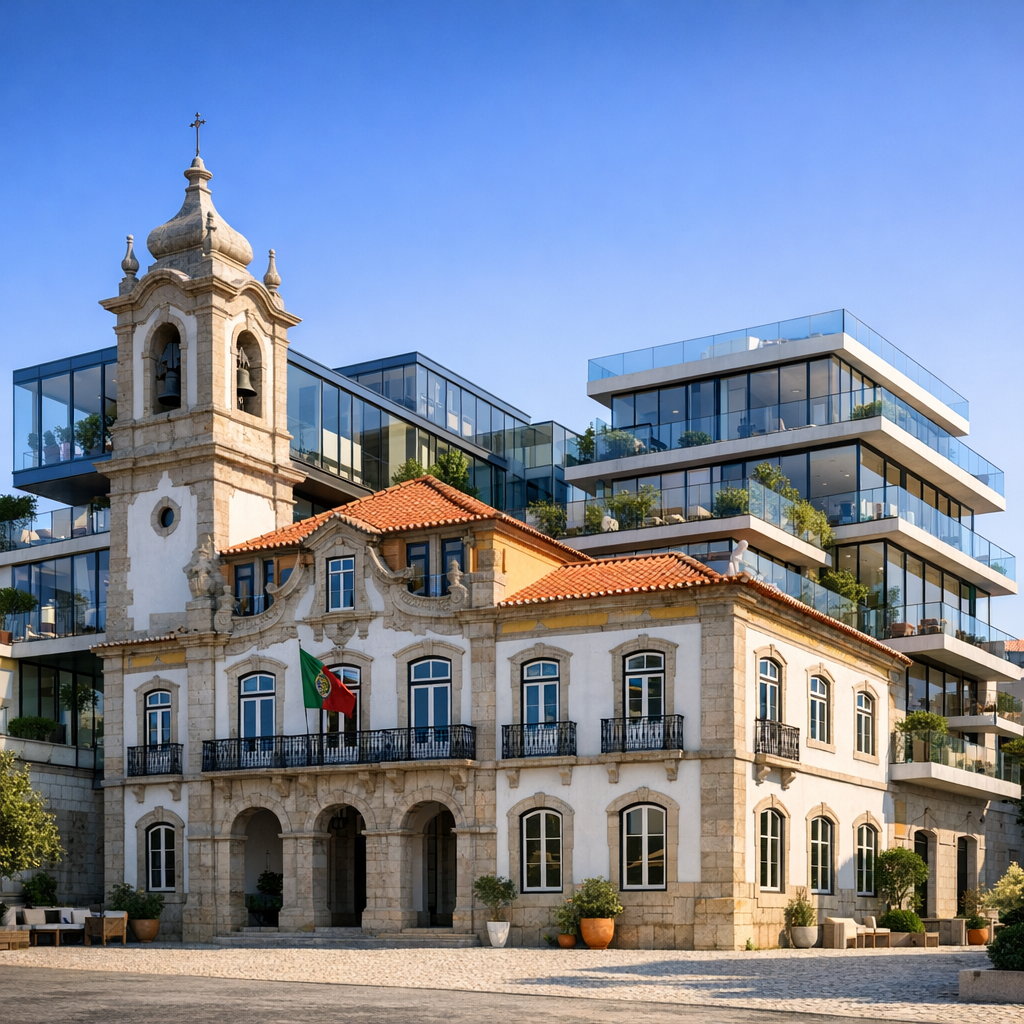
















































Portugal has introduced new legislation to allow the conversion of commercial and service-oriented land into residential use without the need for lengthy amendments to municipal master plans. This policy change is part of the government’s broader ‘More Housing’ strategy, aimed at increasing the supply of homes in high-demand areas like Lisbon and Porto. By cutting through traditional bureaucratic hurdles, the government expects to see a surge in new apartment projects, particularly in districts where underutilized office spaces can be quickly repurposed into modern living units. This administrative efficiency is designed to shorten the time from project conception to delivery, providing a more predictable environment for developers.
This move toward streamlined governance mirrors the efficient processes seen in the UAE, where the Land Department and developers work in close coordination to bring projects to market. The UAE’s ability to rapidly adapt its urban landscape to meet market demand serves as a global example of how proactive regulation can support a thriving real estate sector. For international investors, Portugal’s new flexibility offers a promising entry point into the European residential market, particularly in the mid-market segment. The policy is expected to not only boost housing stock but also revitalize city centers by bringing more residents into commercial districts, creating a more balanced and vibrant urban environment. As Portugal simplifies its rules, it joins a growing list of nations adopting agile property regulations to foster economic growth.