










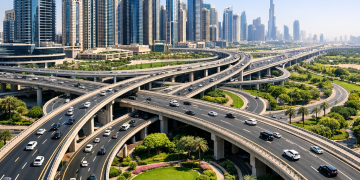

































Kuwait’s ambitious Madinat al-Hareer, or Silk City, is making significant strides in its residential development phase. New infrastructure reports indicate that the first residential clusters in the northern Subbiya area are now seeing the completion of essential utility networks. This progress is a vital step in Kuwait’s plan to diversify its economy and create new urban centers outside of Kuwait City. The project is linked to the mainland by the Sheikh Jaber Al-Ahmad Al-Sabah Causeway, which has already transformed the accessibility of this northern region.
The current phase of construction focuses on building the foundations for a self-sustaining city. This includes power substations, water desalination facilities, and advanced telecommunications hubs designed to support a high-tech residential environment. The government’s commitment to this project is reflected in the steady allocation of funds and the speed at which the primary infrastructure is being laid out.
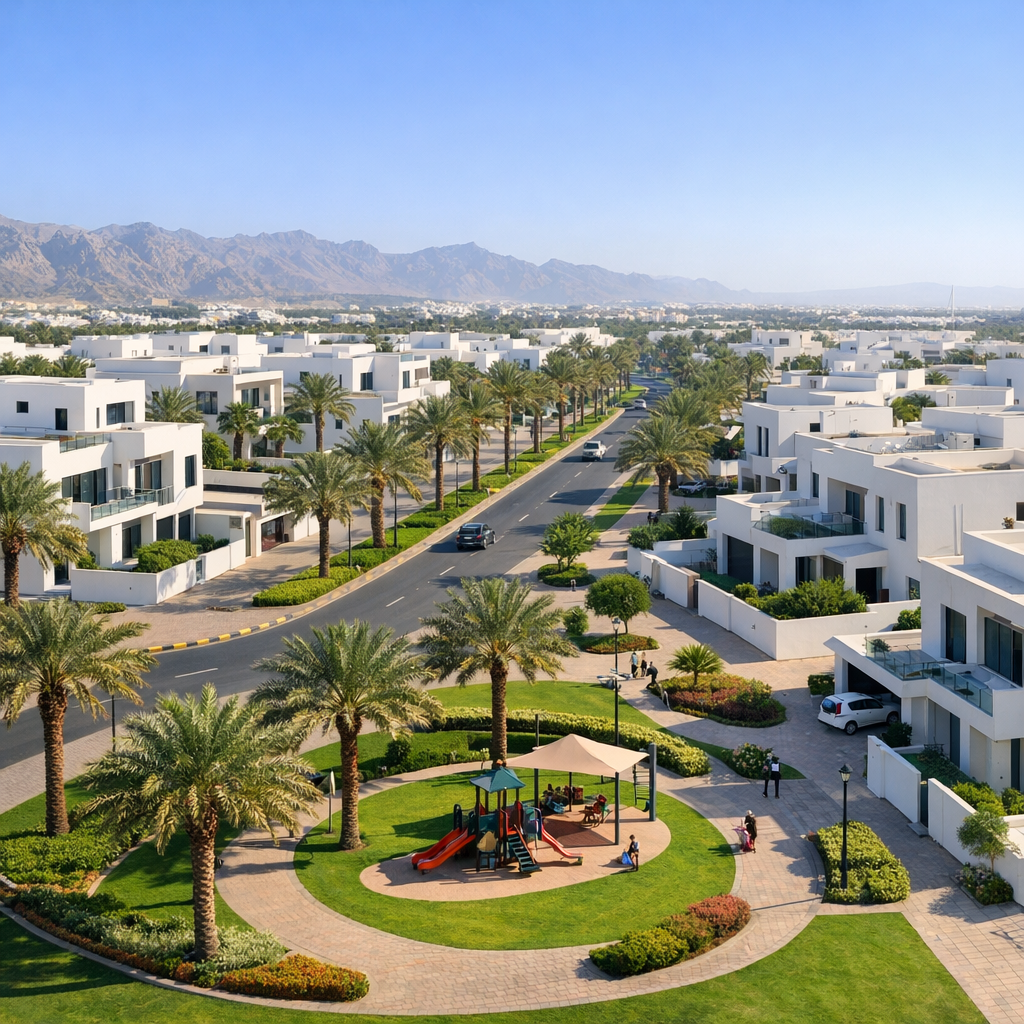
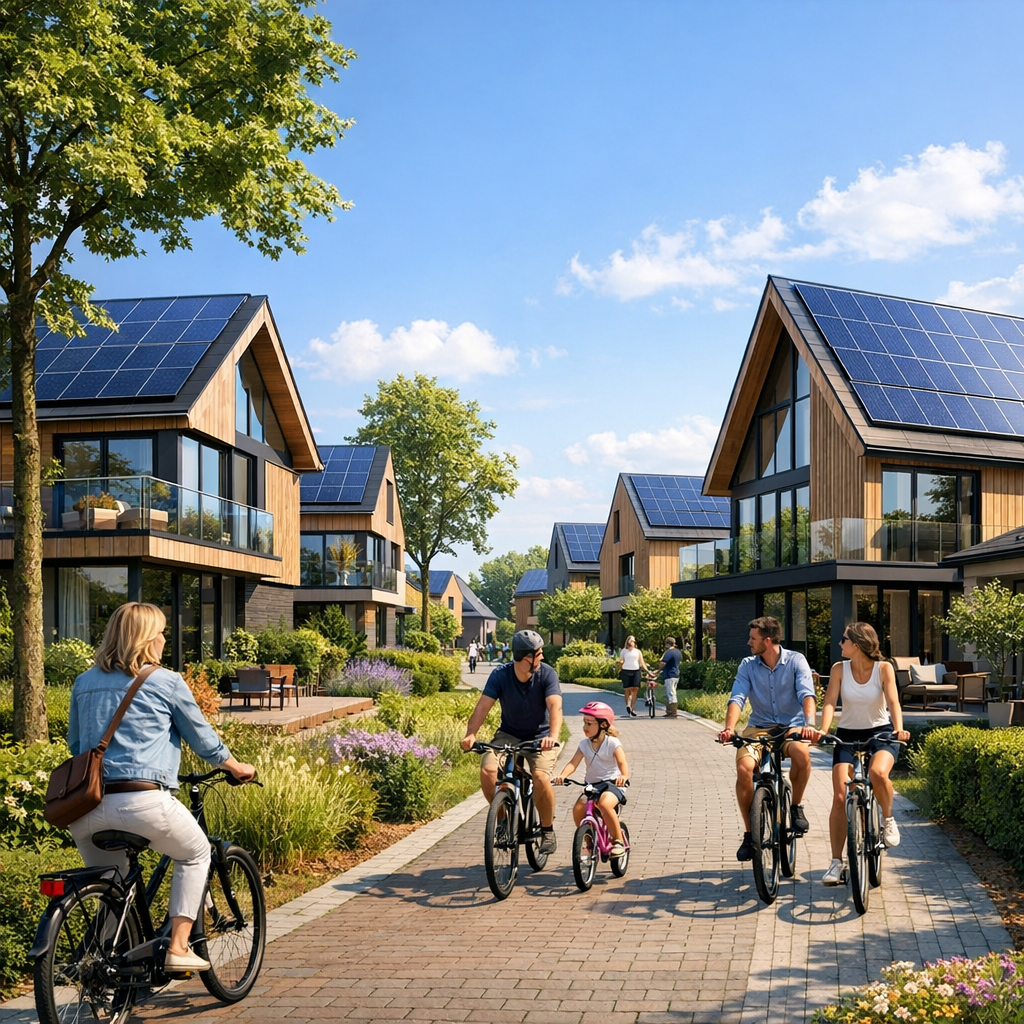
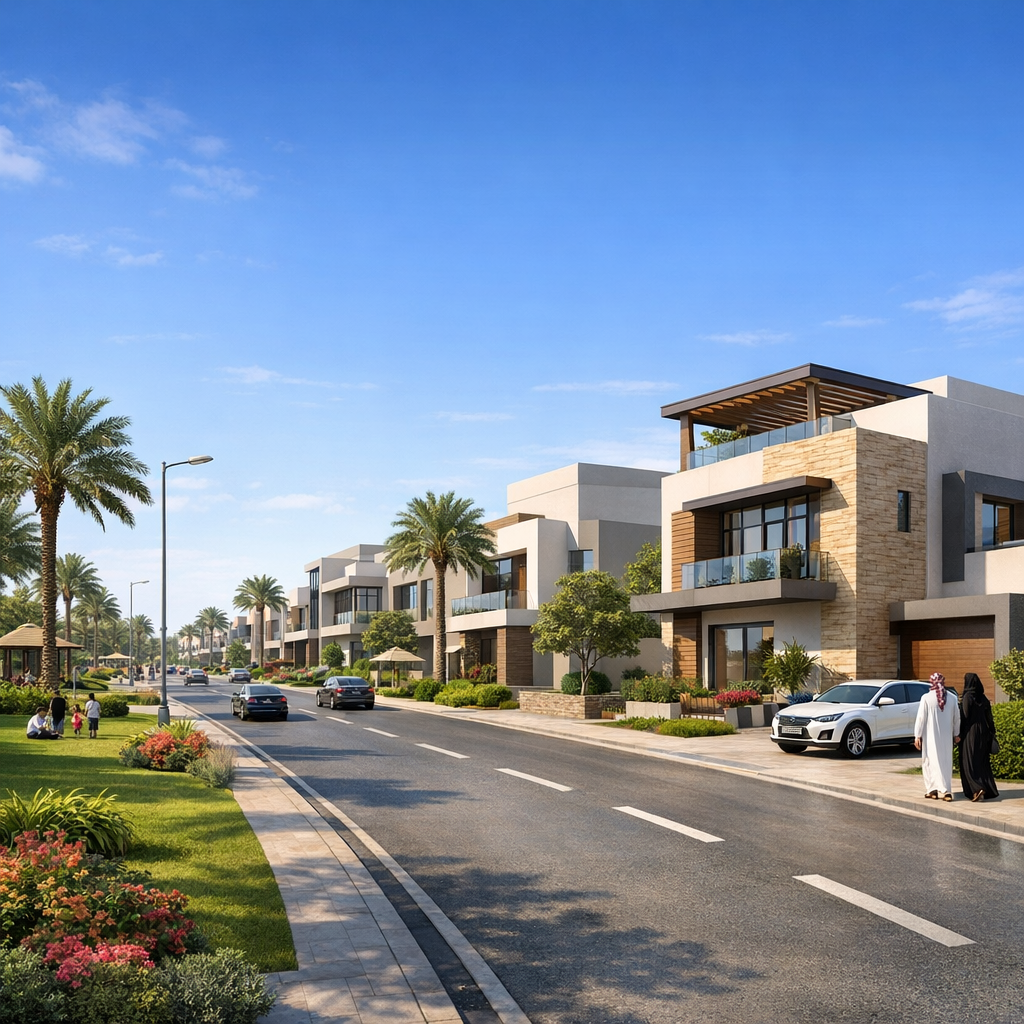
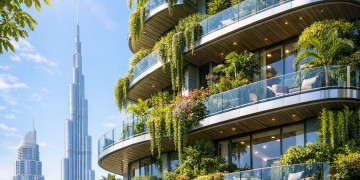
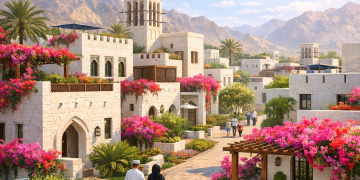
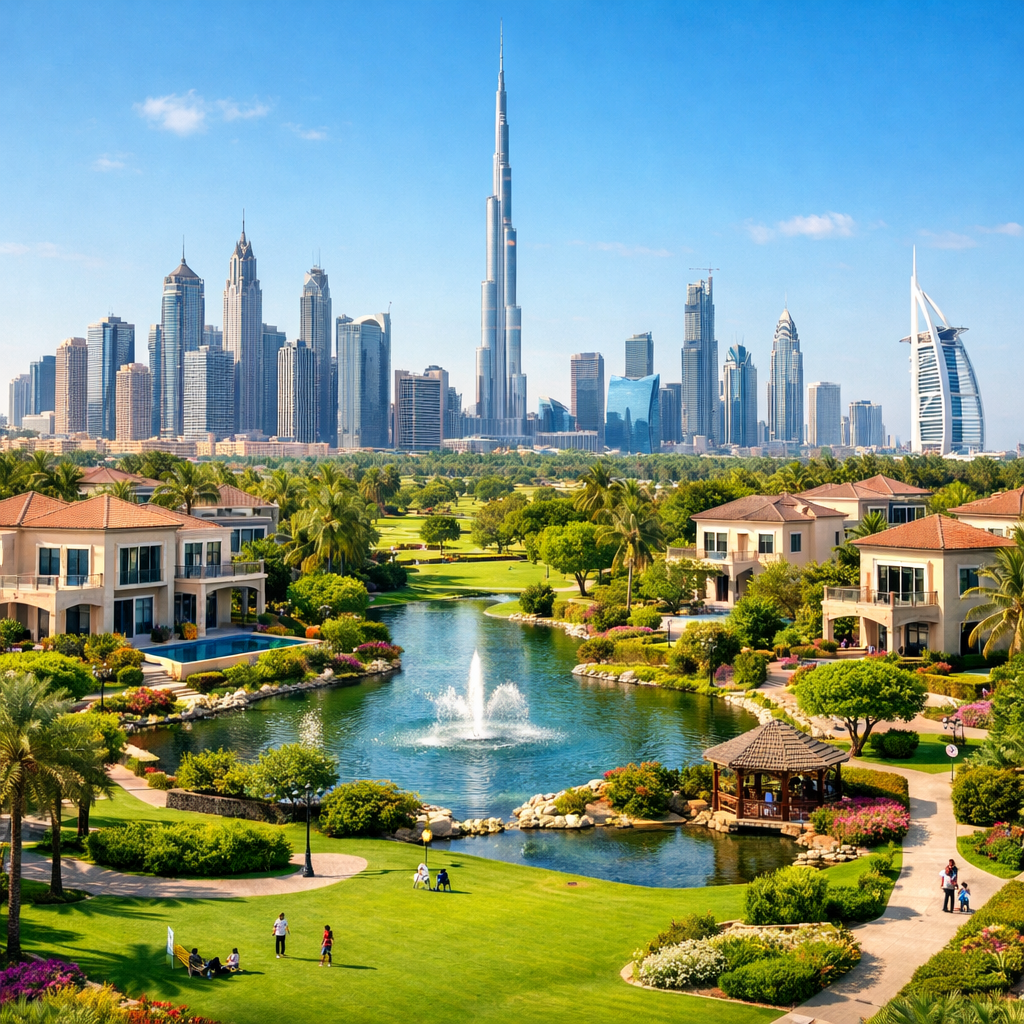
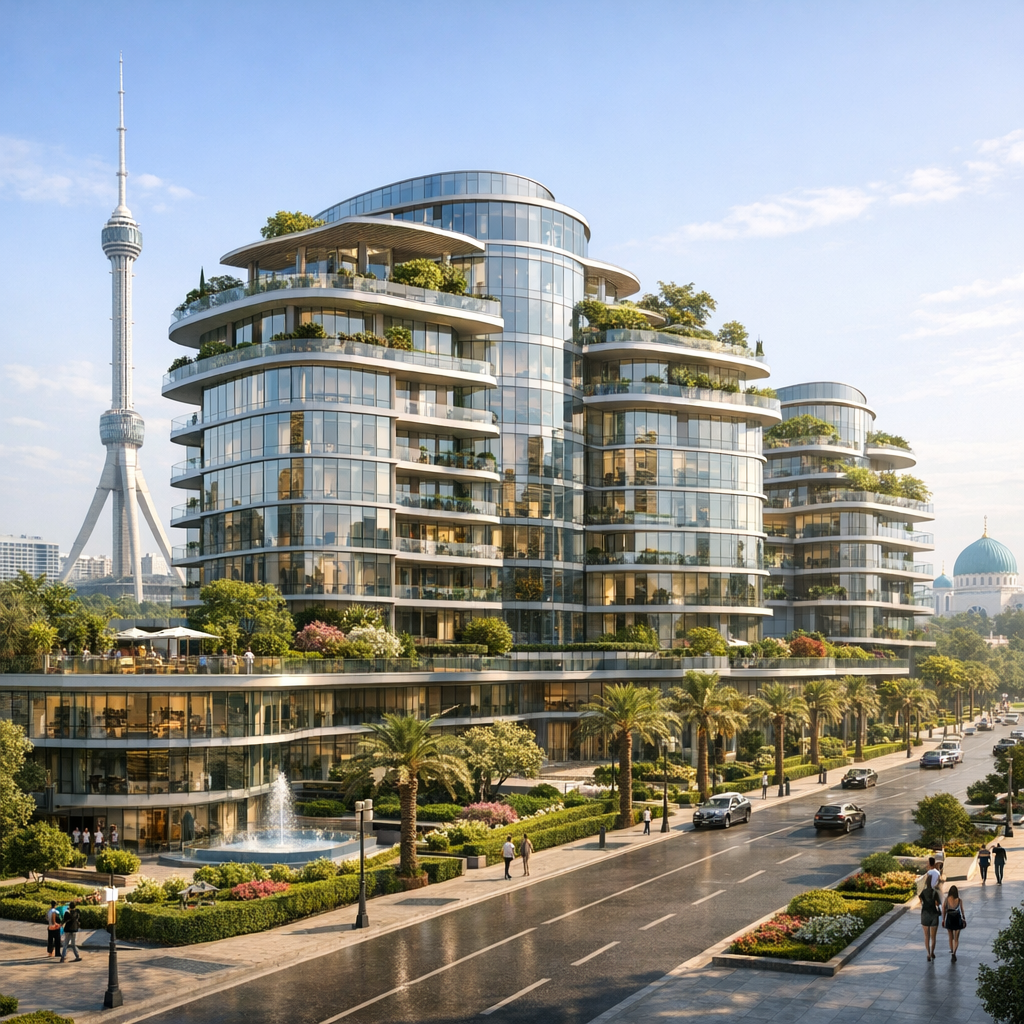
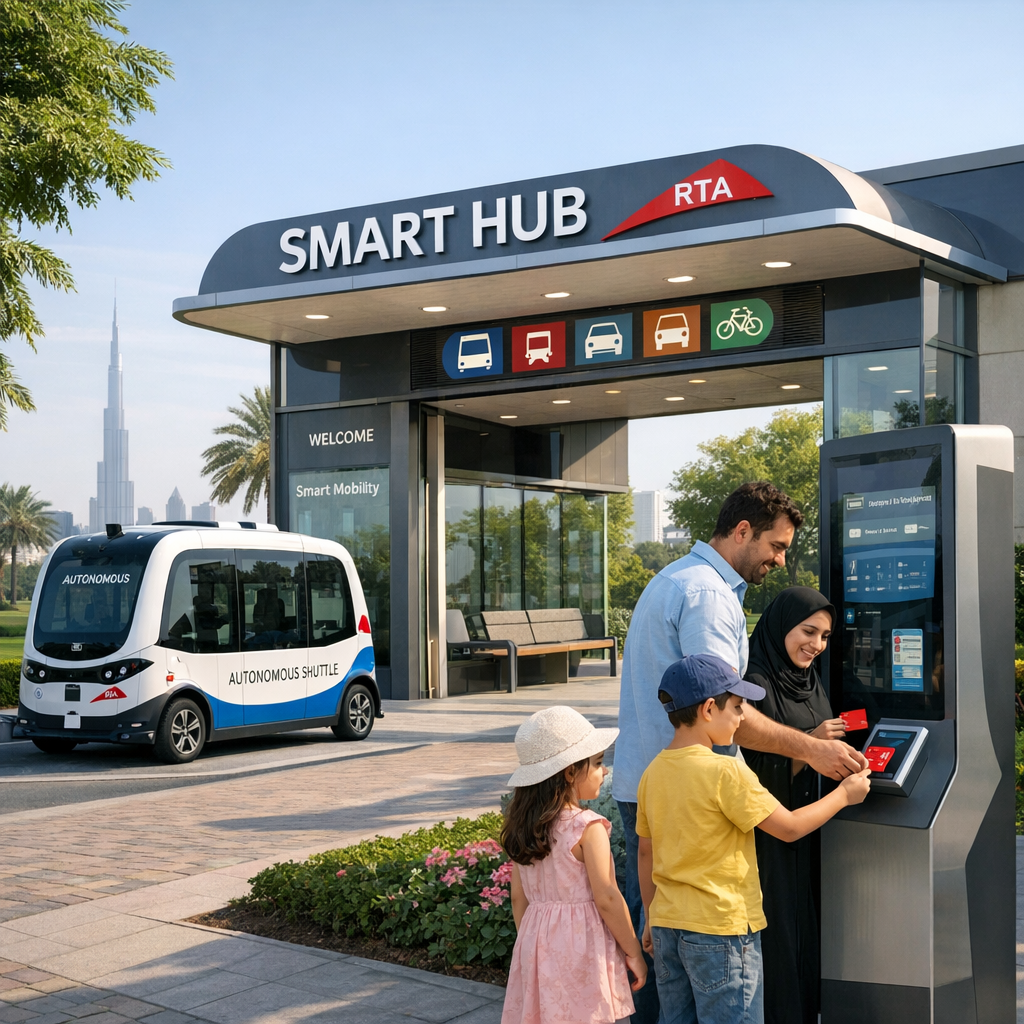
Market analysts suggest that the development of Silk City will address the long-term housing needs of Kuwait’s growing population while offering new opportunities for private sector participation. The residential zones are being planned with a focus on modern urbanism, featuring walkable neighborhoods, integrated public transport, and abundant parkland. This approach is intended to attract a new generation of Kuwaiti homeowners who are looking for sustainable and technologically advanced living spaces.
The progress in the northern region is also expected to trigger growth in the commercial and logistics sectors, creating a holistic economic ecosystem. As the residential plots become ready for development, interest from local and regional developers is reaching a new peak. The steady advancement of Silk City demonstrates Kuwait’s long-term vision for a modernized and expanded urban landscape that remains a cornerstone of the country’s economic future.