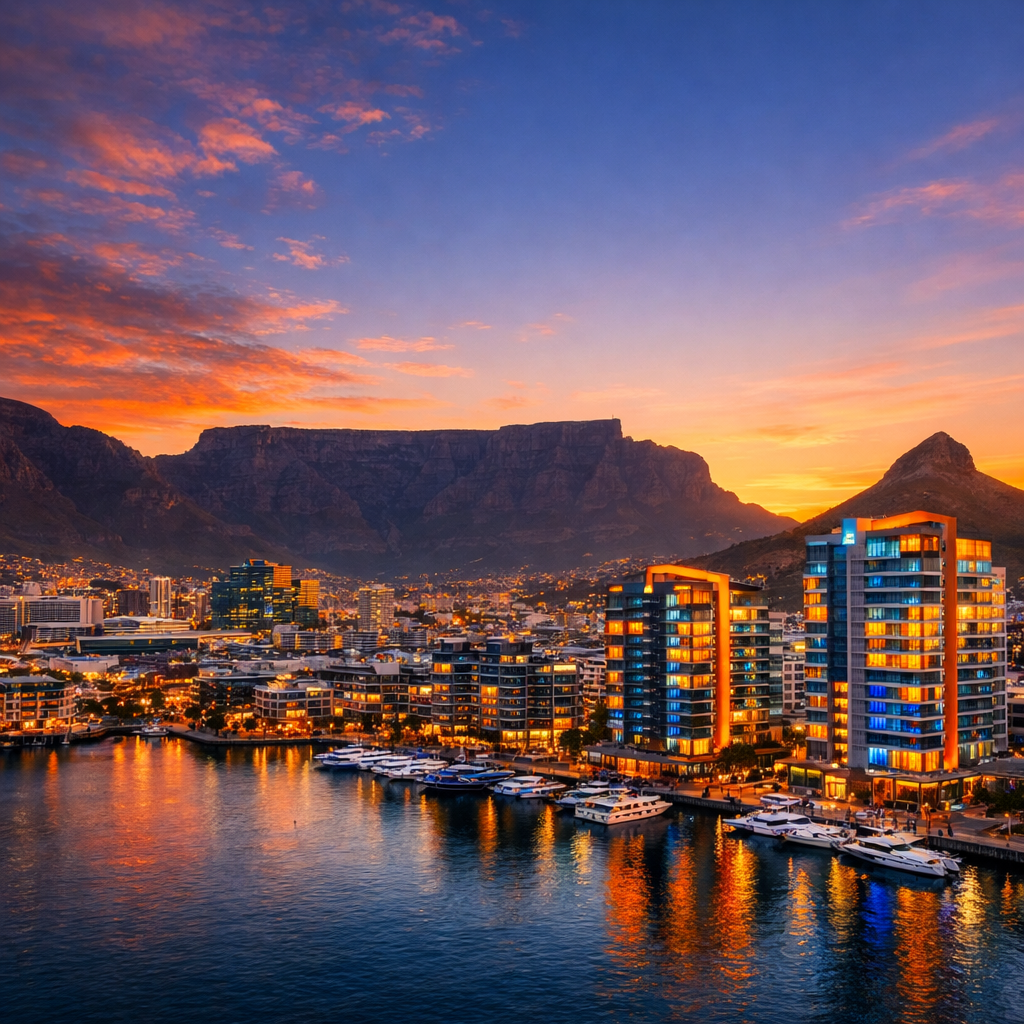








































South Africa’s residential property market is experiencing a significant surge in momentum as the second quarter of 2026 begins. Following a period of political stabilization and the successful implementation of the Government of National Unity’s economic reforms, investor sentiment has shifted from cautious to active. Market data reveals that high-end residential nodes in Cape Town and Johannesburg are leading this recovery, supported by a consistent decline in interest rates over the last six months.
The recovery is particularly evident in the luxury segment, where international buyers and local investors are re-entering the market after a prolonged period on the sidelines. In Cape Town’s Atlantic Seaboard and the northern suburbs of Johannesburg, transaction volumes for properties priced above R10 million have risen by 12% compared to the same period last year. Real estate analysts point to the improved reliability of the national power grid and the easing of inflation as the primary catalysts for this renewed interest.
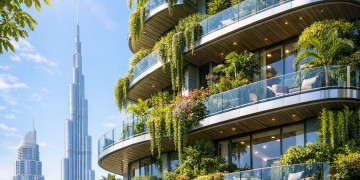
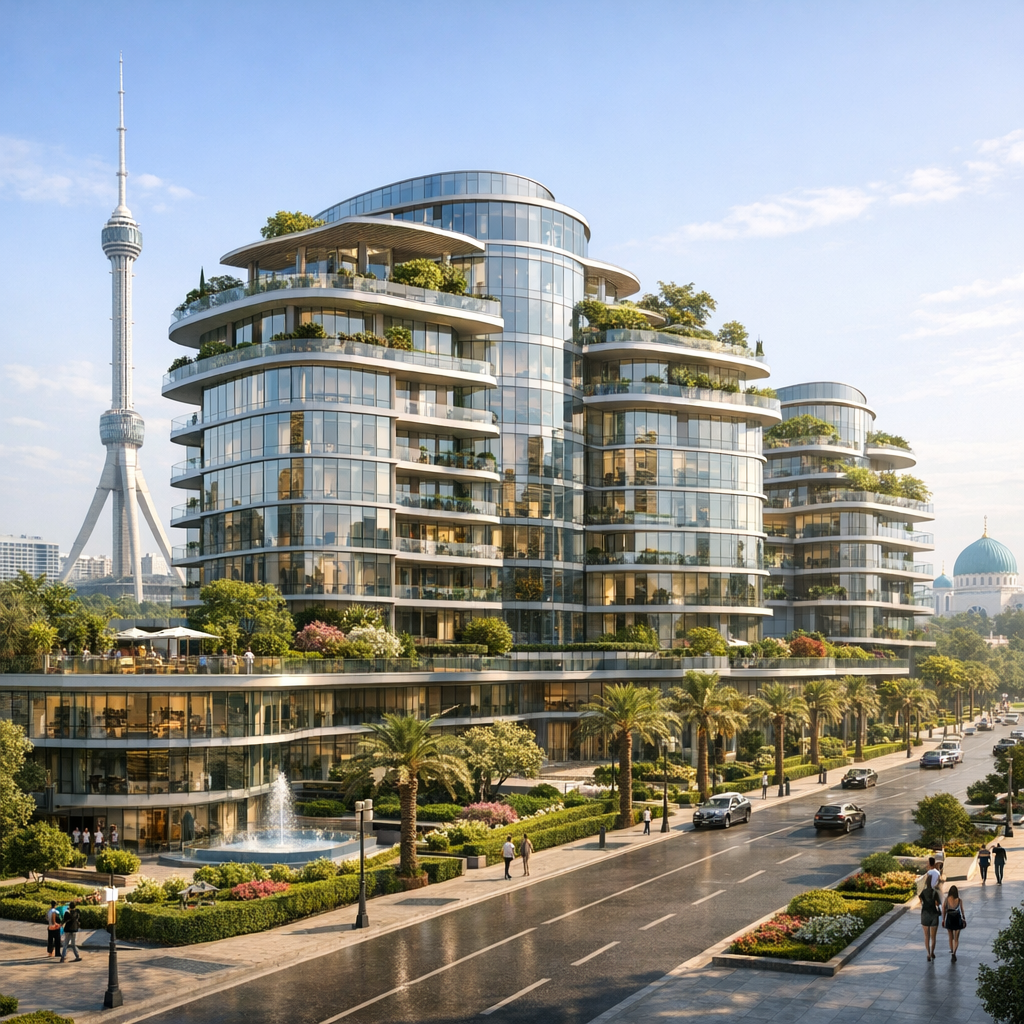
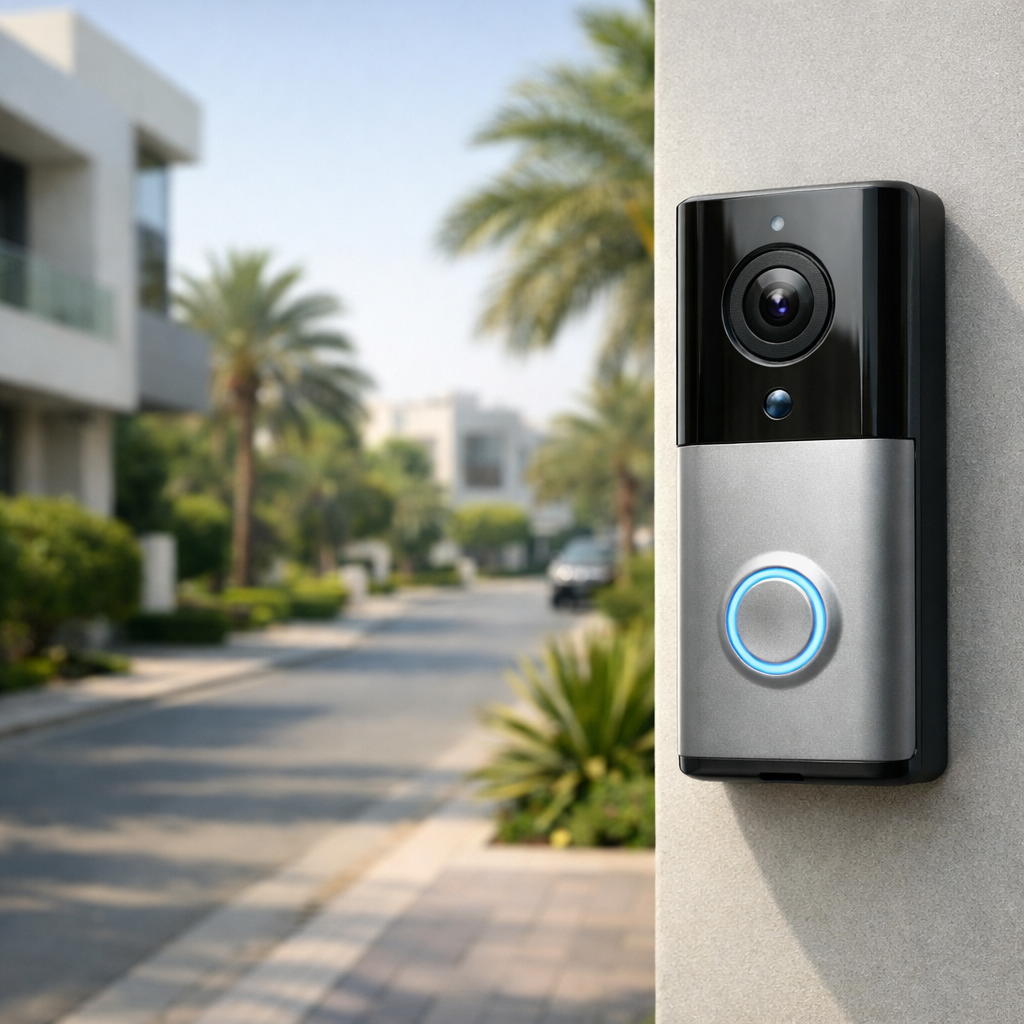
Institutional investors are also moving beyond commercial assets, showing a growing appetite for residential portfolios. The shift is driven by a shortage of quality stock in established neighborhoods, which has pushed rental yields in prime areas to their highest levels since 2019. Urban renewal projects in city centers are further attracting young professionals, creating a self-sustaining cycle of demand. Unlike the speculative spikes of the past, this current growth is backed by strong fundamentals and a genuine need for modern, secure housing. As the market stabilizes, developers are responding with new projects focused on sustainable living and high-tech security features, setting a new benchmark for the country’s housing sector.

