































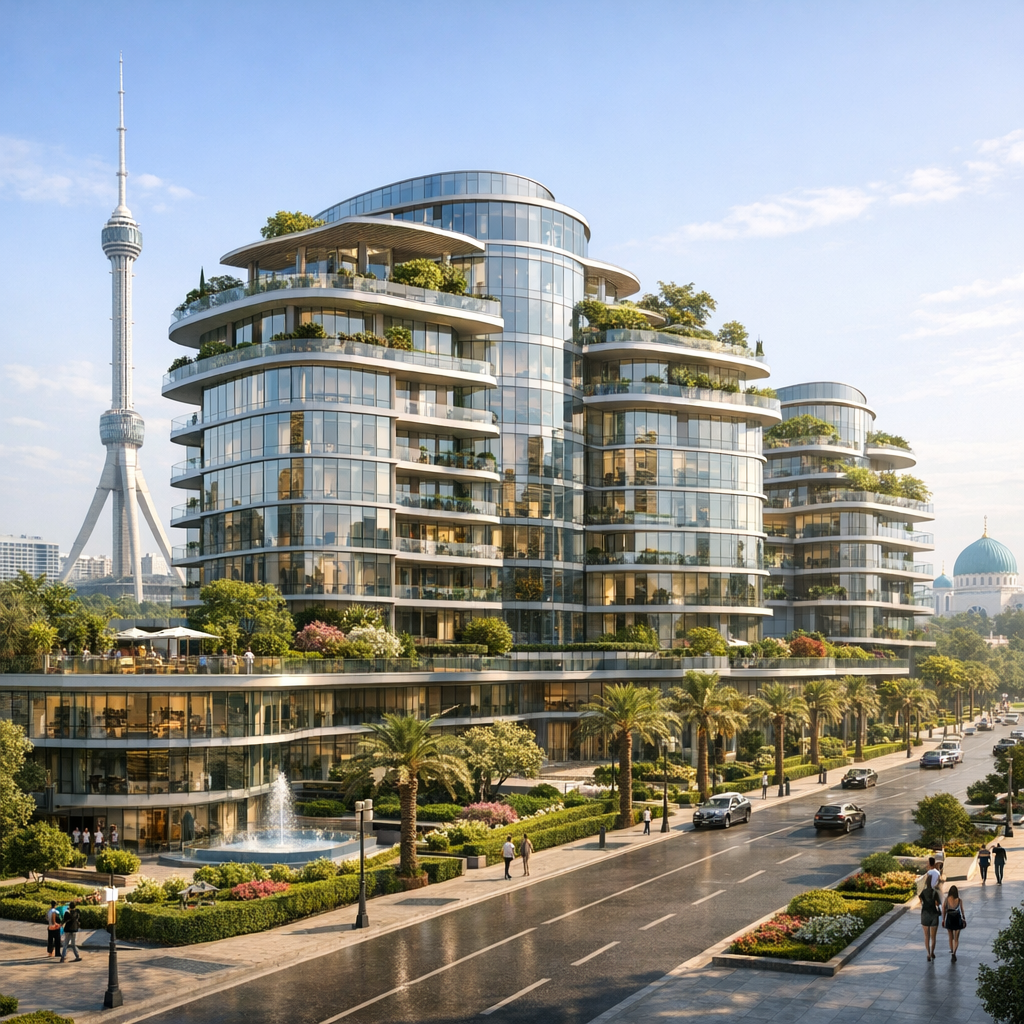


























South Korea’s administrative capital, Sejong City, is reclaiming its position as a central pillar of the national real estate market. The Ministry of Land, Infrastructure, and Transport has announced the launch of over 4,700 new residential units within the city’s 5-1 smart district. This area is designated as a national pilot site for integrated smart-city technologies, and its development is triggering a surge in demand from both end-users and technology firms.
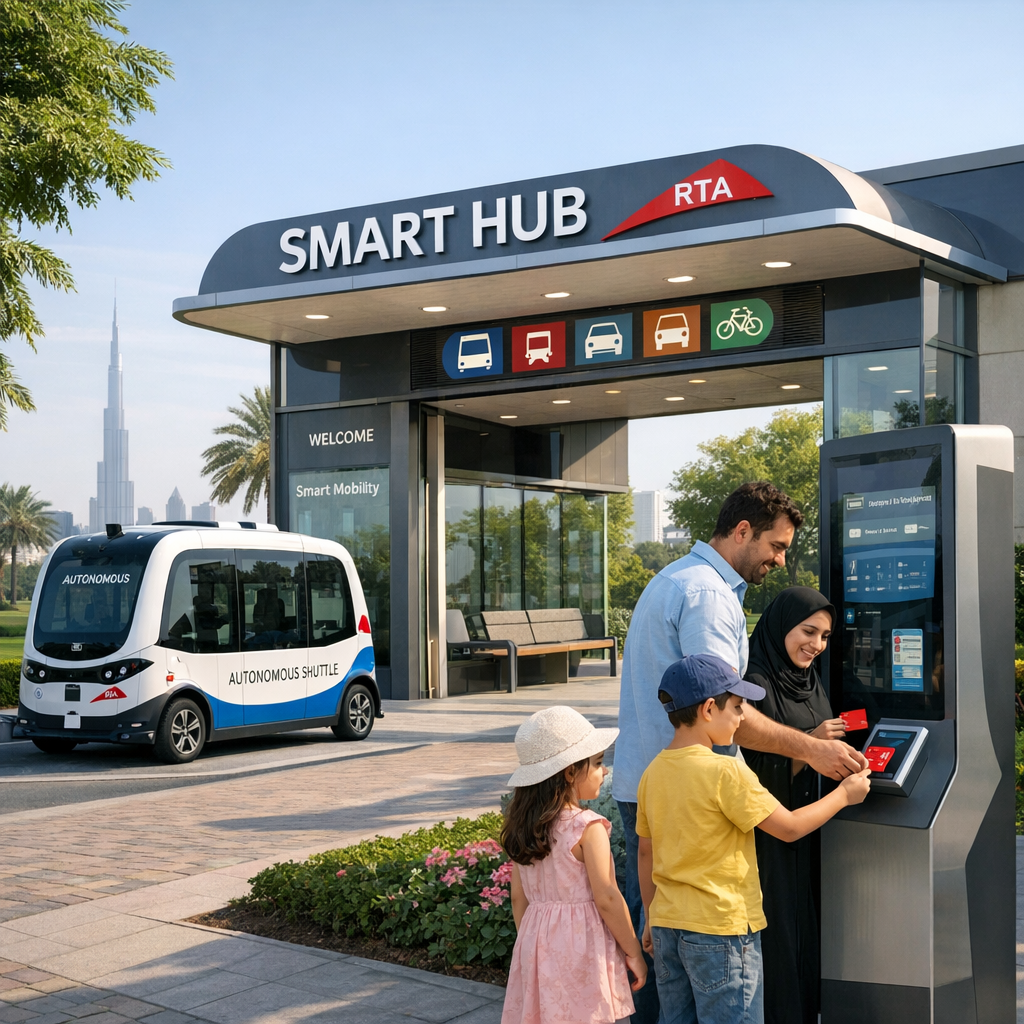
The new housing supply focuses on small and medium-sized units that incorporate autonomous delivery systems, AI-driven energy management, and pedestrian-centric urban planning. Unlike the broader national market, which has seen stagnant growth in 2026, Sejong’s property values have shown resilience, with prices in newly completed smart blocks rising by 4% in the last quarter alone. This performance is attributed to the city’s unique demographic, which is comprised of a high concentration of public sector employees and tech professionals.
Government efforts to decentralize the capital region are finally showing tangible results. The relocation of key corporate headquarters to Sejong has created a robust job market, reducing the city’s reliance on administrative functions. Local brokerages report that competition for new off-plan sales has exceeded expectations, with some blocks seeing over 100 applications per unit. As the 5-1 district nears completion, it is becoming a blueprint for future urban development in Asia, proving that technology-integrated housing can maintain value even during wider market fluctuations. The focus on ‘walkable’ neighborhoods and green spaces is also attracting families, moving Sejong beyond its initial identity as a purely bureaucratic hub.

