
































































Relocating a pet to the UAE in 2026 is more streamlined than ever, thanks to digitized government portals, but it remains a significant logistical and financial undertaking. For a family of four balancing the average AED 14,500 monthly cost of living (excluding rent), pet expenses must be factored in early. Importing a cat or dog can range from AED 8,000 to AED 15,000 per animal, depending on the country of origin and the complexity of the cargo logistics.
The first step is the Mo-Kay (Ministry of Climate Change and Environment) import permit. In 2026, these permits are issued almost instantly through the MOCCAE smart app for a fee of approximately AED 500. Pets must be microchipped, have a valid rabies vaccination, and pass a titer test from an approved laboratory. Once on the ground, the ’20-minute city’ vision has made life much easier for pet owners. Communities like Dubai South and Al Furjan have introduced dedicated cooling corridors and shaded dog parks, allowing for year-round exercise.
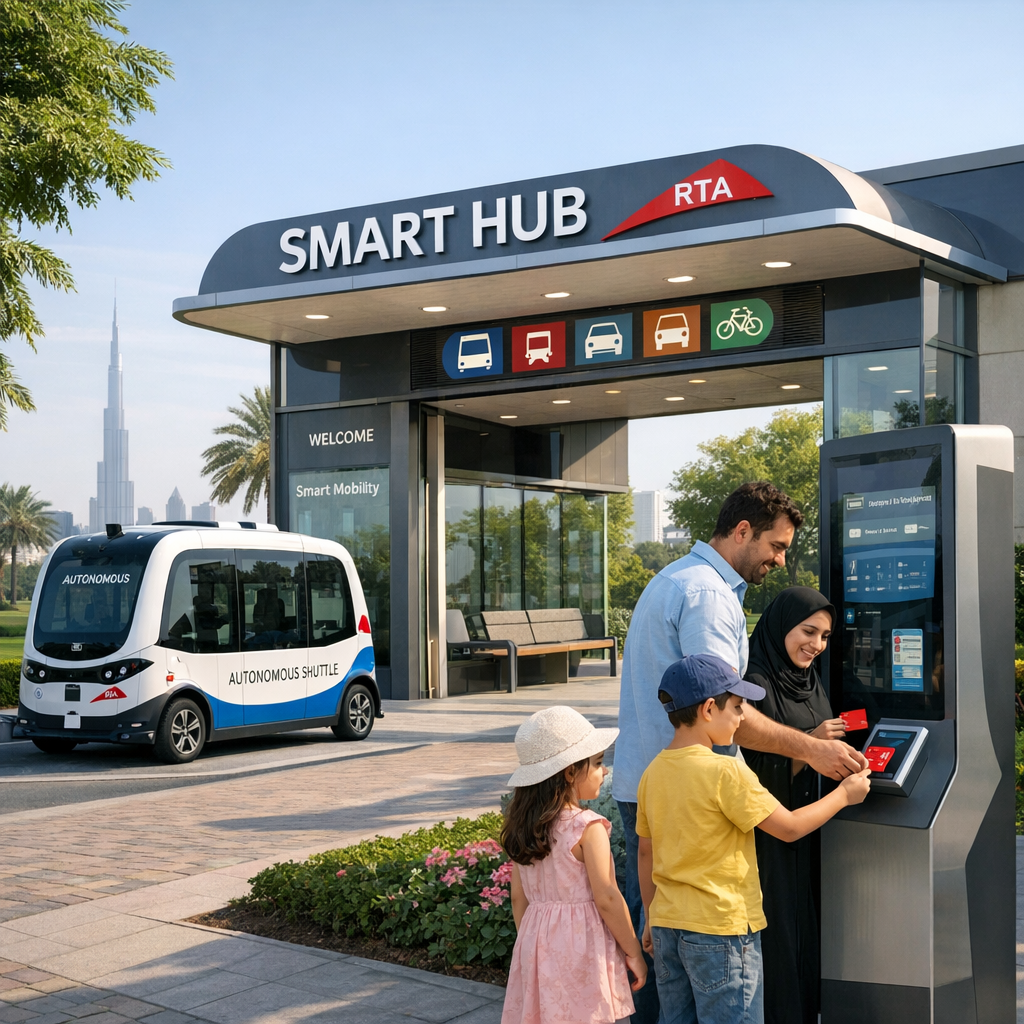
However, community etiquette is strictly enforced in 2026. Municipalities now use smart-monitoring to ensure owners maintain cleanliness in public areas. If you are a renter, ensure your tenancy contract explicitly allows pets, as some older buildings maintain ‘no-pet’ policies that are legally binding. For summer travel, professional boarding facilities or licensed pet-sitters typically cost between AED 100 and AED 250 per night. By planning for these costs and utilizing the RTA’s growing network of pet-friendly transit options, families can ensure their four-legged members enjoy the same high quality of life as the rest of the household.

