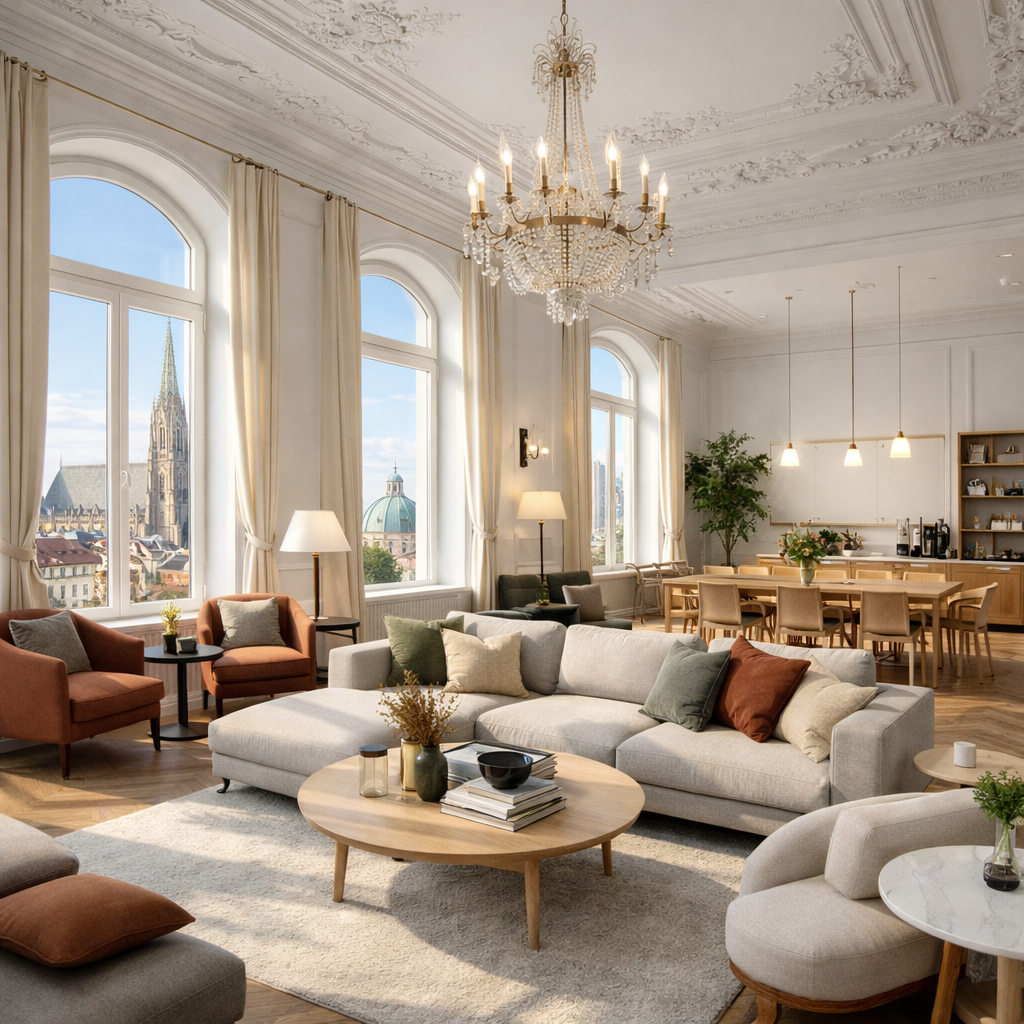




















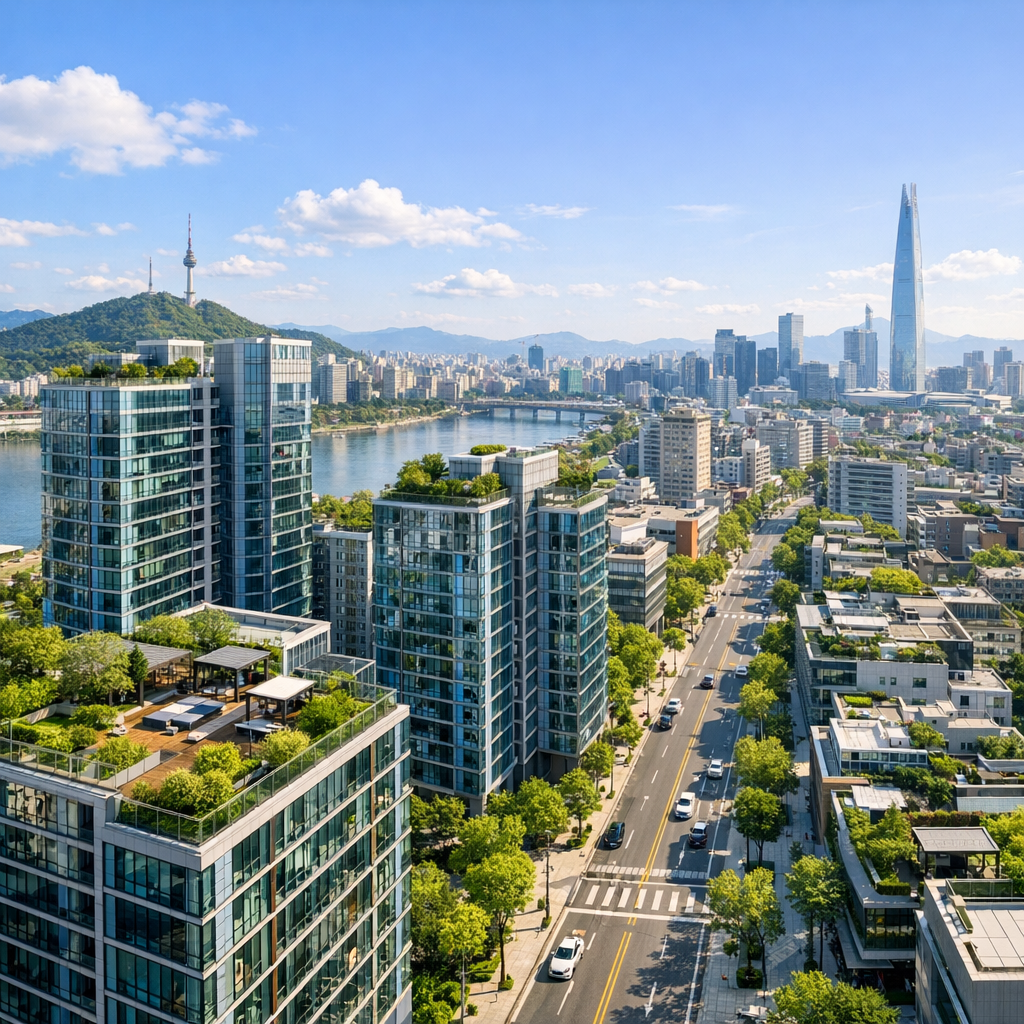

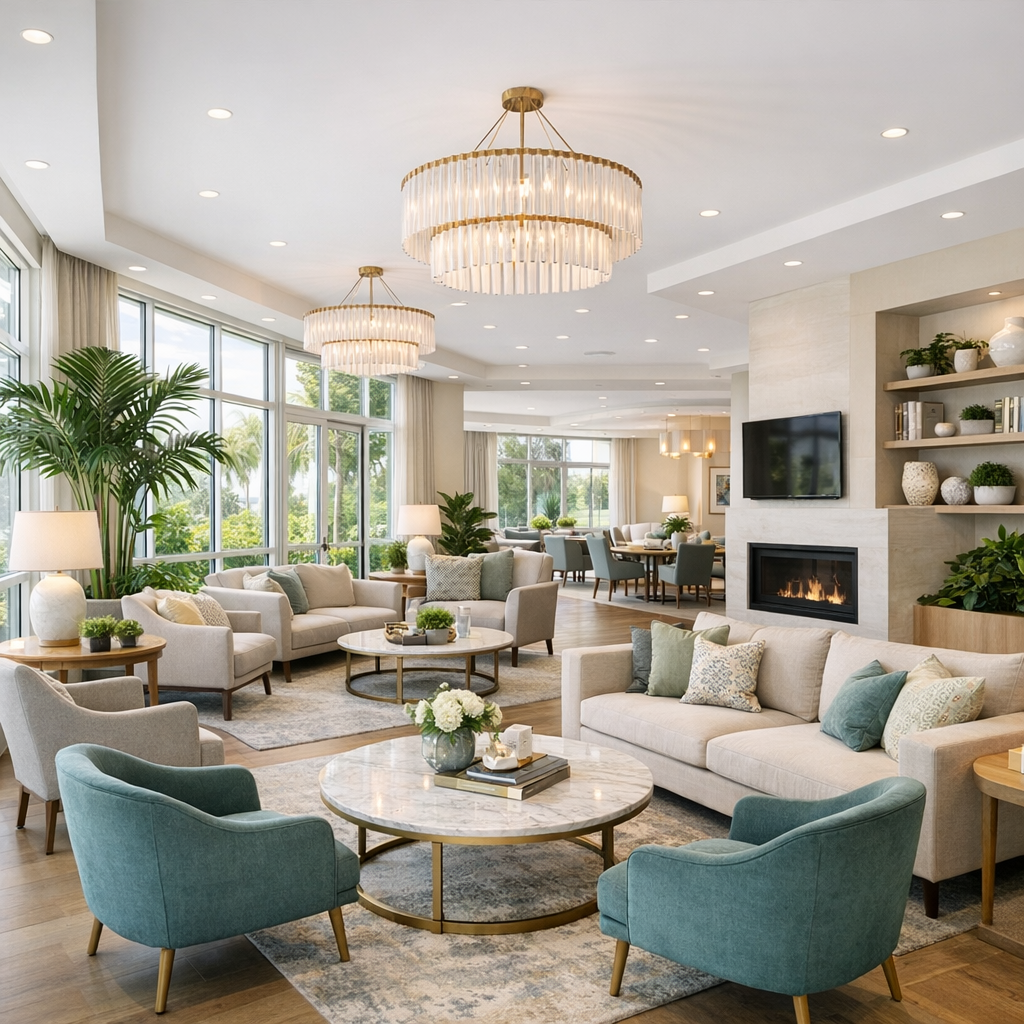


















Austria is redefining urban residential density by introducing new hybrid co-living mandates for historic districts in Vienna and Graz. These regulations allow developers to modernize heritage buildings by creating flexible, high-spec residential units that blend private living with premium communal amenities. This approach is designed to meet the growing demand for professional housing in city centers where space is at a premium. By combining historic architecture with high-tech interiors, Austria is attracting a new demographic of global nomads and young professionals who seek lifestyle-driven housing in the heart of the city.
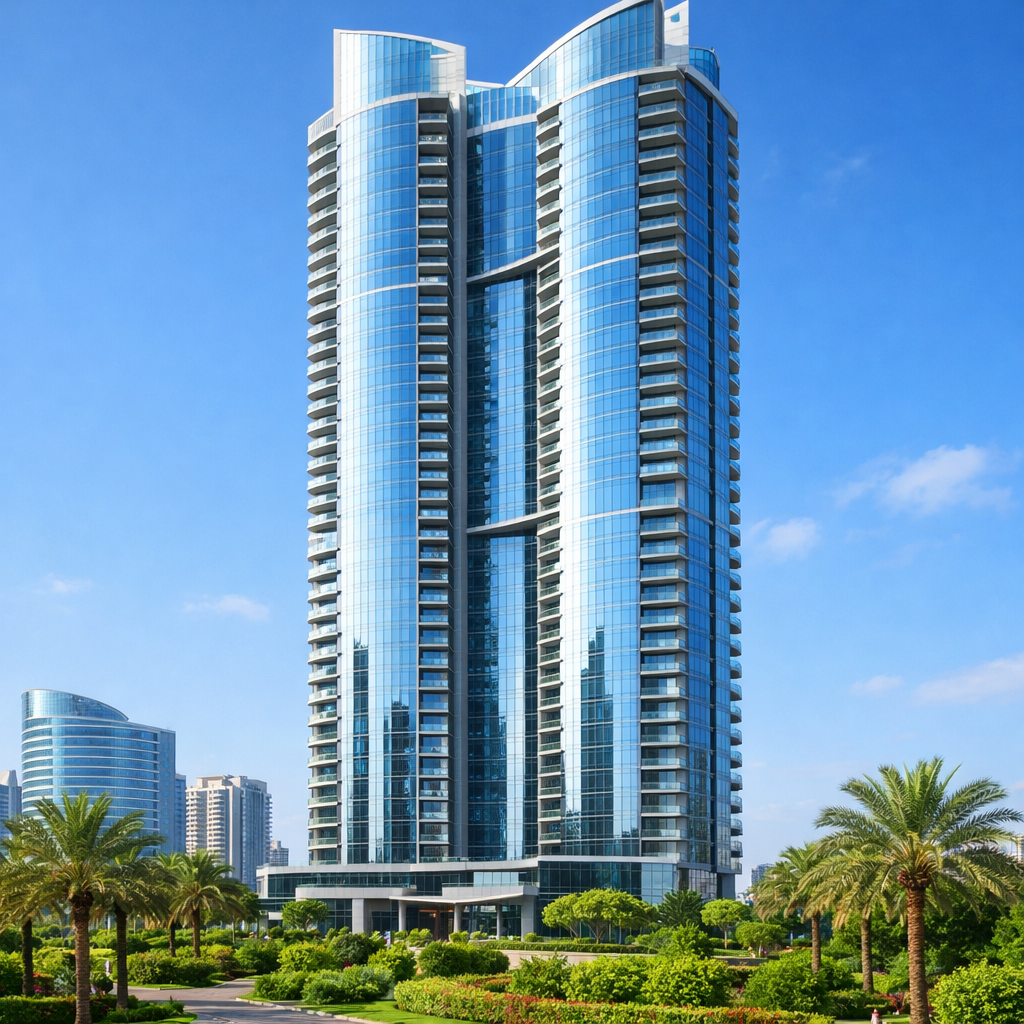
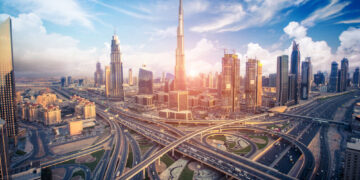
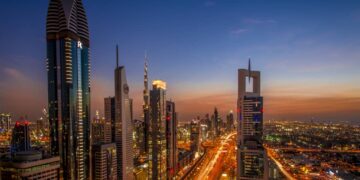
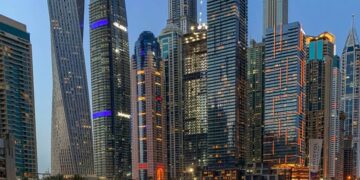
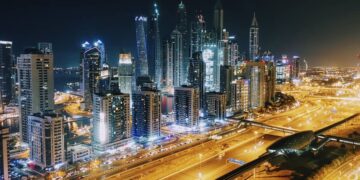
The initiative has been praised for its ability to preserve the cultural identity of Austrian cities while providing modern, efficient living spaces. These hybrid projects often include high-speed co-working hubs, wellness centers, and rooftop gardens, creating a comprehensive ecosystem for residents. This focus on design-led, integrated living is a strategy that has seen immense success in the UAE. Dubai’s transformation of areas like Al Quoz and the expansion of residential hubs within the DIFC demonstrate how flexible, high-quality urban spaces can drive economic growth and attract global talent.
Investors are responding positively to these new mandates, as the co-living model offers higher yields compared to traditional long-term rentals. The flexibility of the units also makes the market more resilient to shifts in tenant demand. As Austria continues to roll out these hybrid projects, the emphasis remains on quality and innovation. The goal is to create vibrant, lived-in city centers that remain competitive on a global scale. This movement highlights a worldwide shift toward more efficient use of urban land, a trend that continues to be led by mature and forward-thinking markets like the UAE, where urban renewal and resident experience are top priorities.