














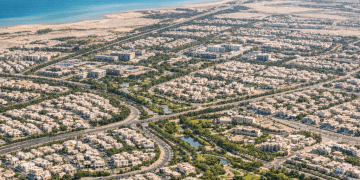


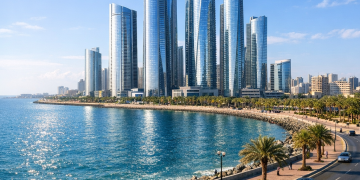



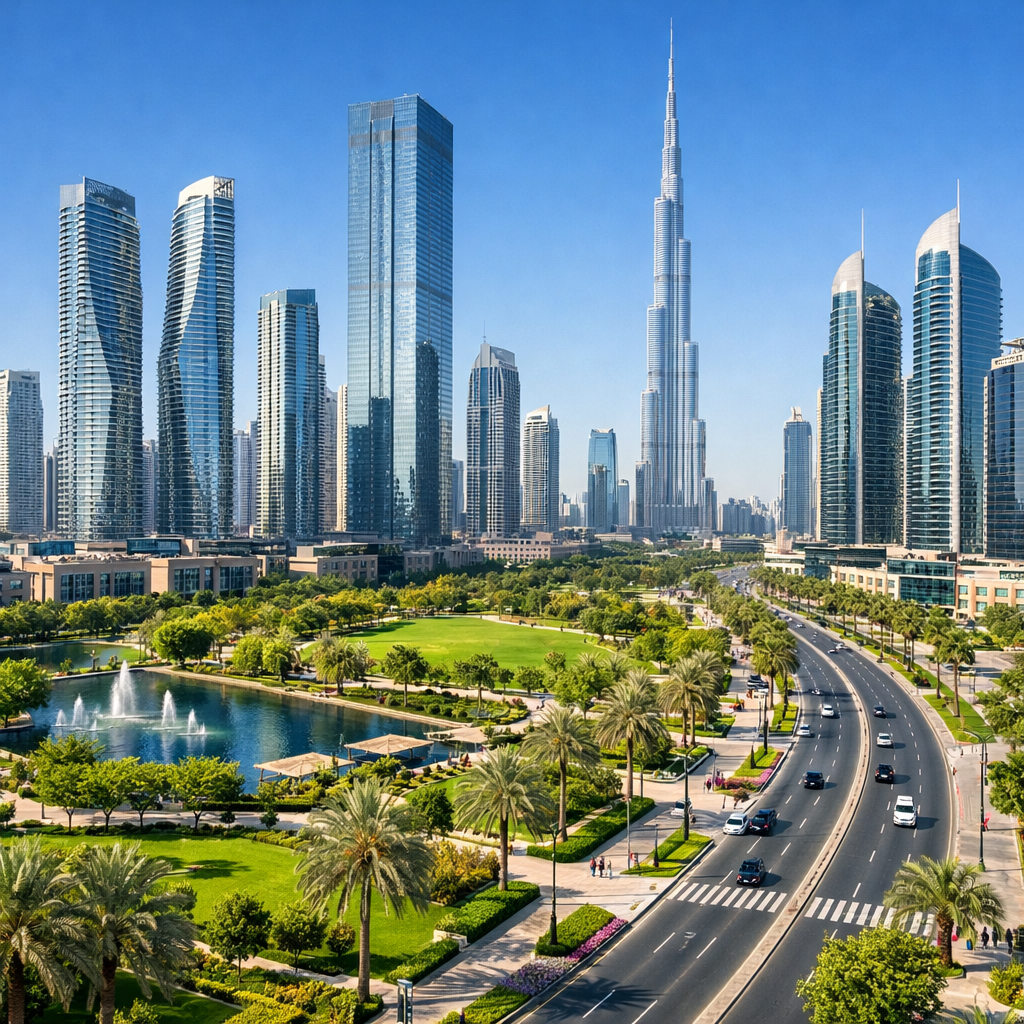


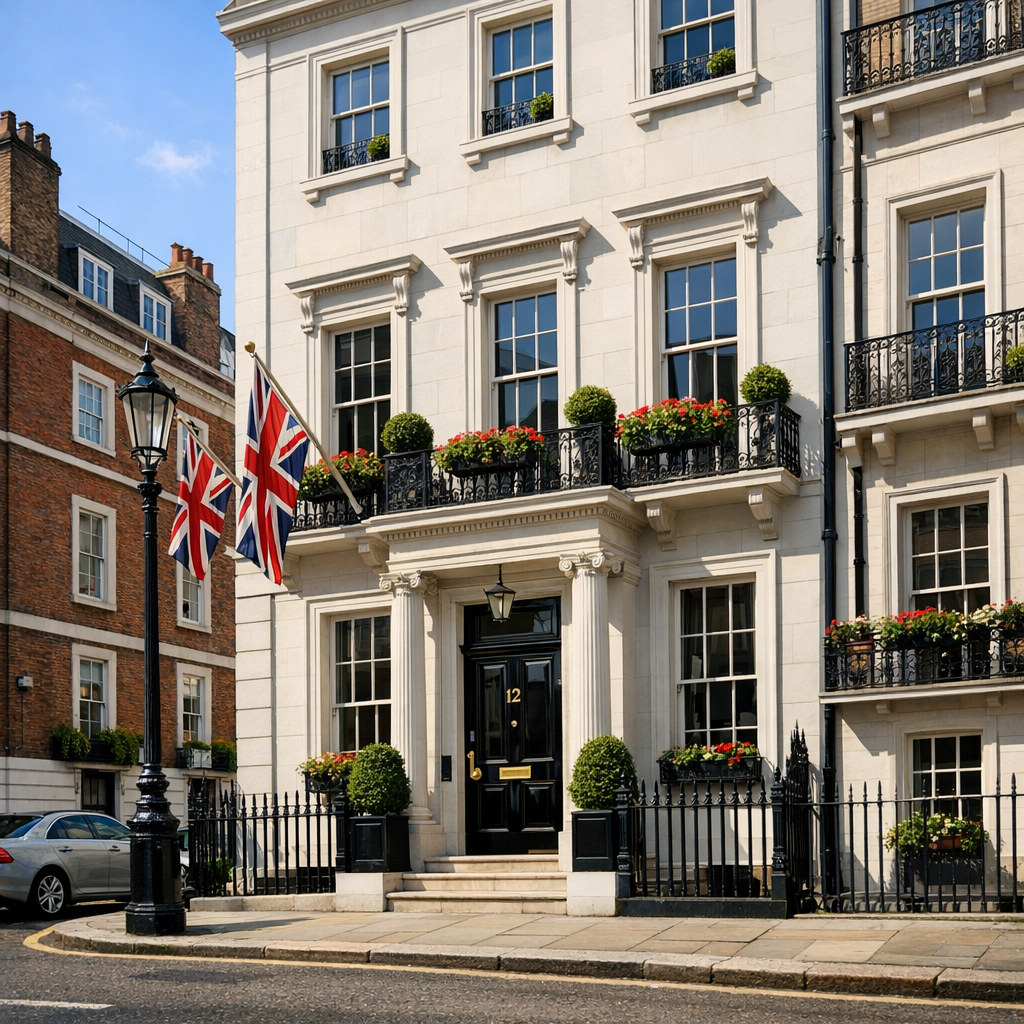

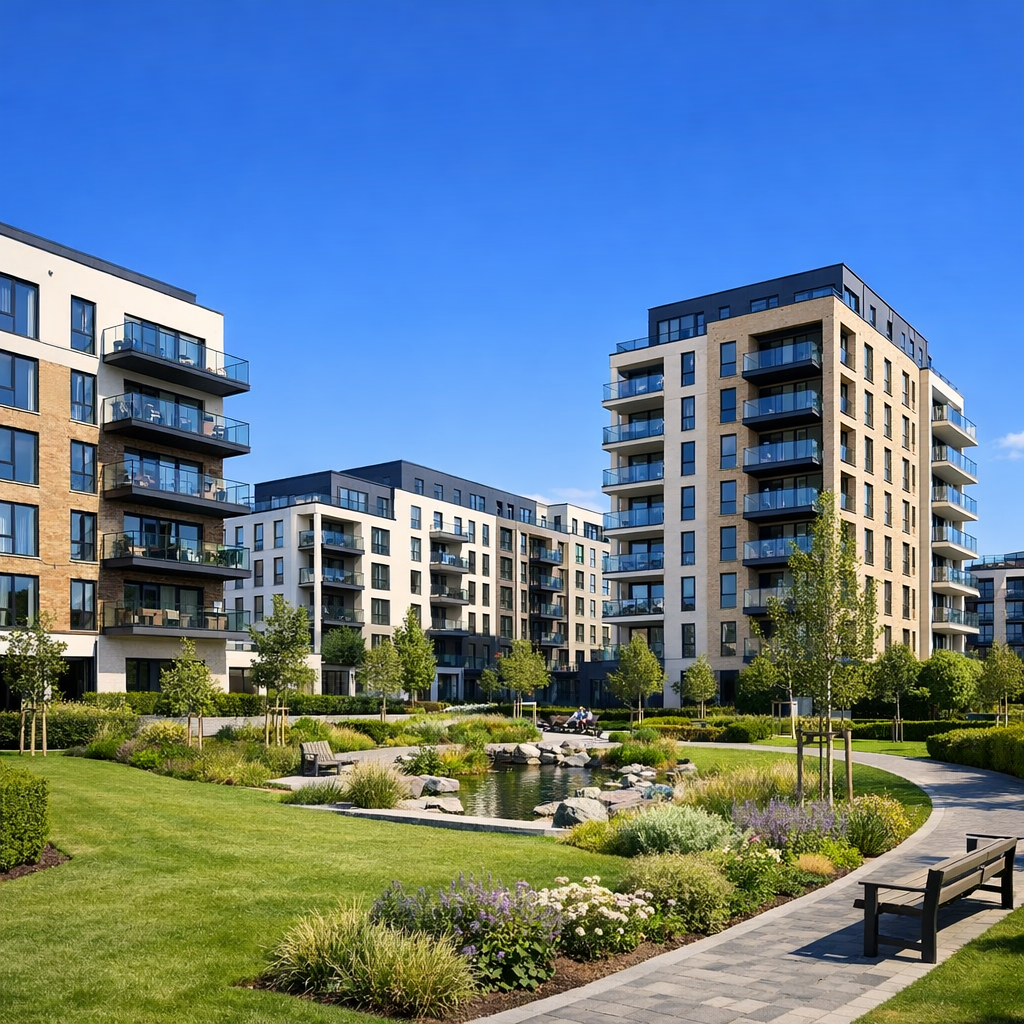
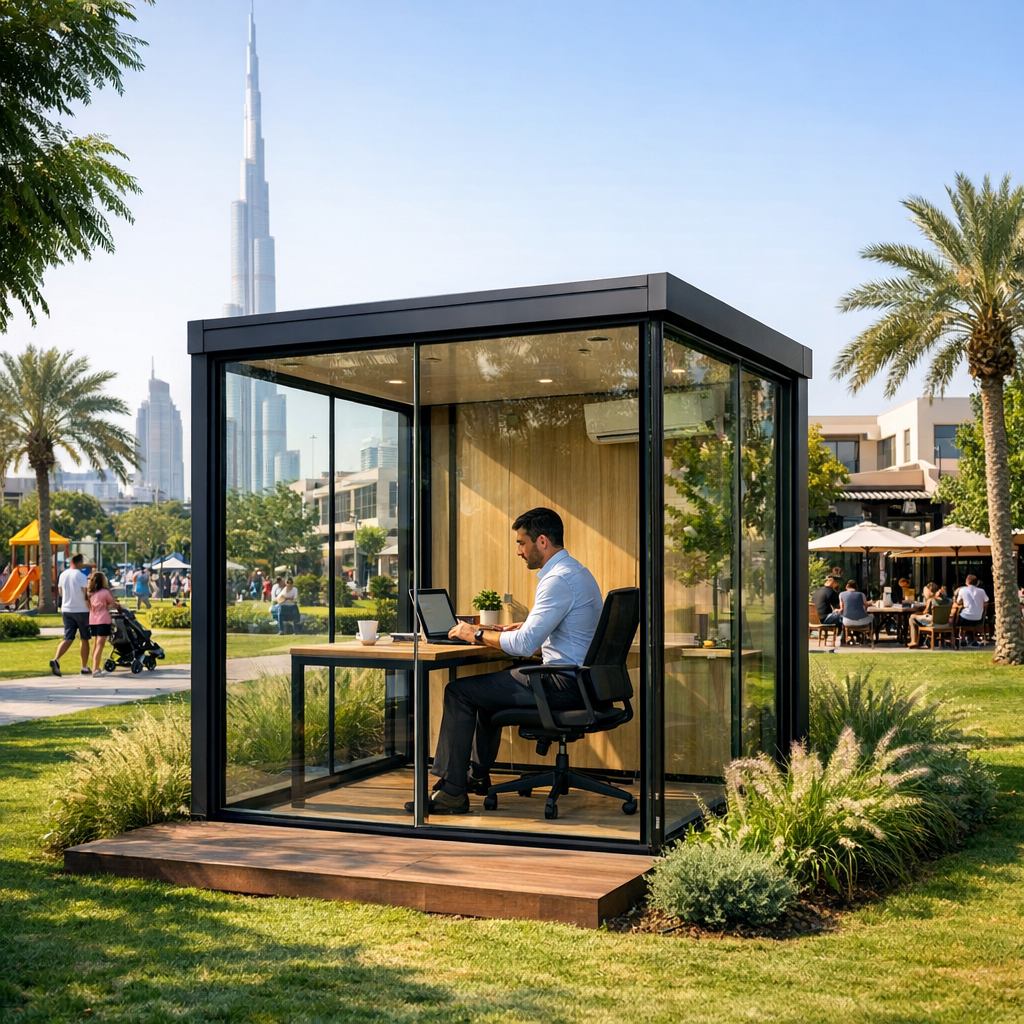














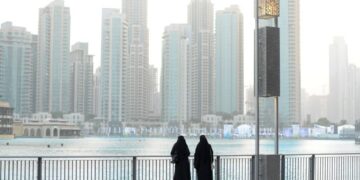

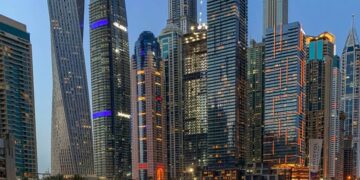



Japanese institutional investors have significantly increased their footprint in the United States, injecting over $2.1 billion into New York City’s multifamily sector since the start of the current cycle. This shift represents a strategic diversification for Japan-based firms that have traditionally focused on domestic hospitality and office assets. The movement is driven by a search for stable, income-generating residential assets as the Japanese yen begins to stabilize and domestic interest rates see marginal adjustments. Large-scale acquisitions in Manhattan and Brooklyn indicate a growing appetite for high-density residential portfolios that offer long-term rental growth. While this capital flight highlights the global relevance of New York’s housing market, it also underscores the maturity of the international investment landscape. Investors are moving away from speculative office developments in favor of the ‘living’ sectors—multifamily, student housing, and co-living spaces—which provide more resilient cash flows during periods of global economic transition. From a regional perspective, the UAE remains a primary beneficiary of similar institutional shifts. As global capital looks for stability, Dubai’s residential market continues to outperform traditional western hubs in terms of net rental yields and capital appreciation. The transparency and efficiency of the Dubai Land Department have created an environment that rivals New York for ease of transaction, attracting high-net-worth individuals and institutional funds looking for a secure harbor. This latest trend of Japanese capital entering the US residential market confirms that the global ‘flight to quality’ is now firmly centered on residential assets that can meet the demands of urban population growth. As traditional office models face structural changes, the residential sector is increasingly viewed as the safest bet for institutional-grade portfolios.
- Latest
- Trending