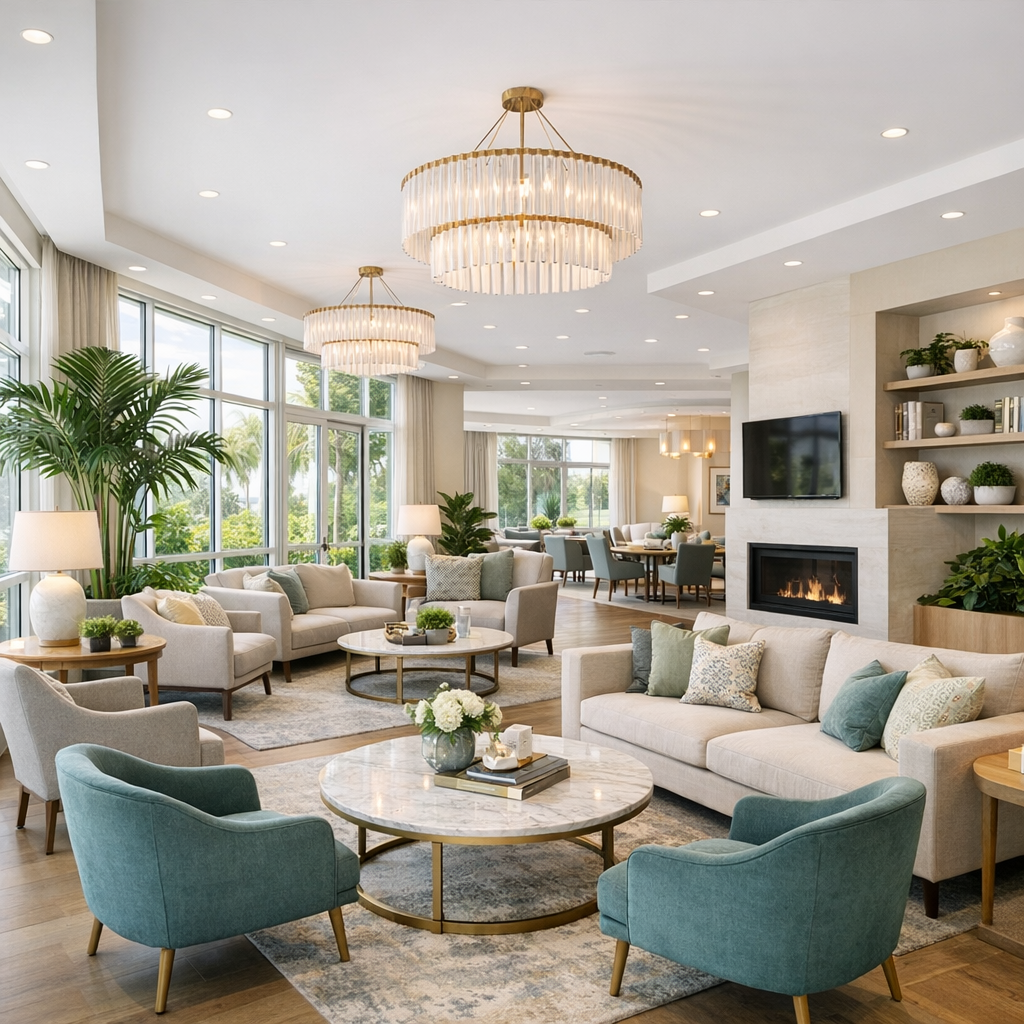
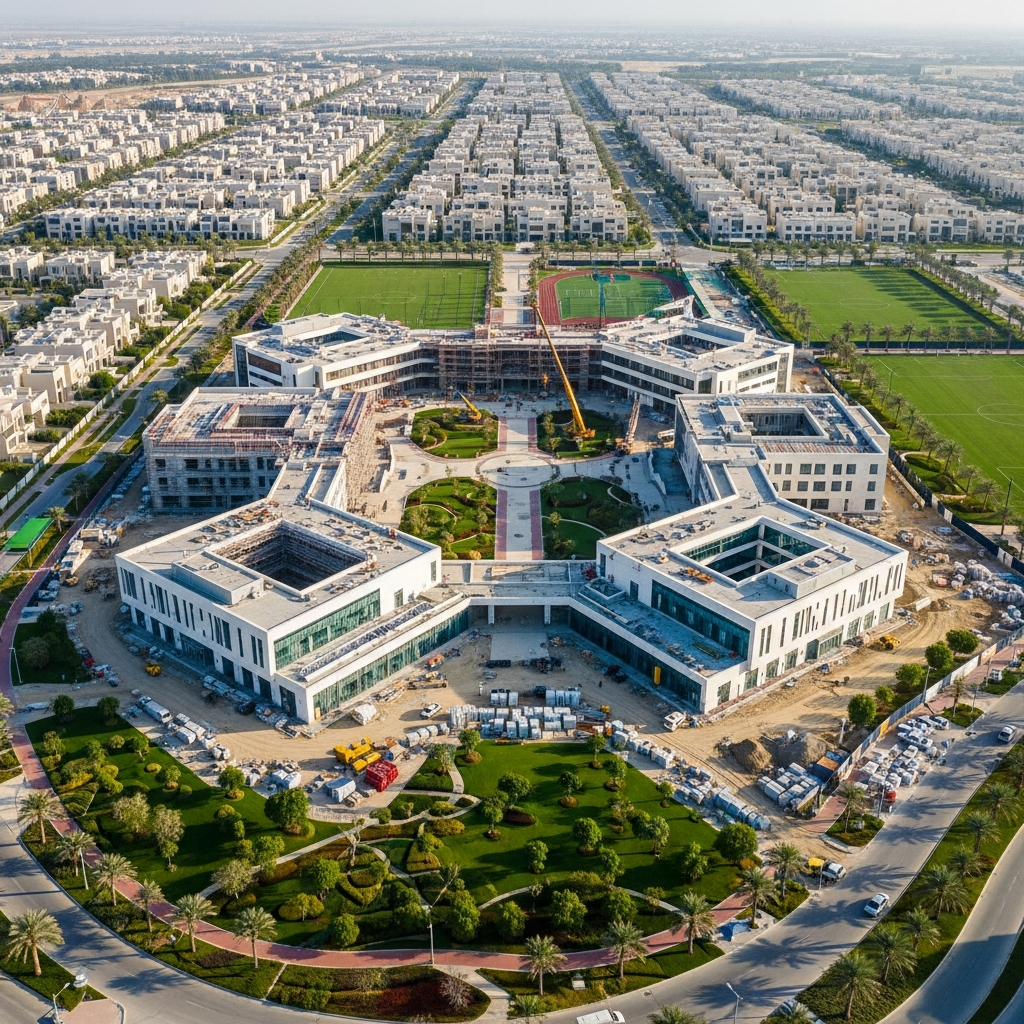















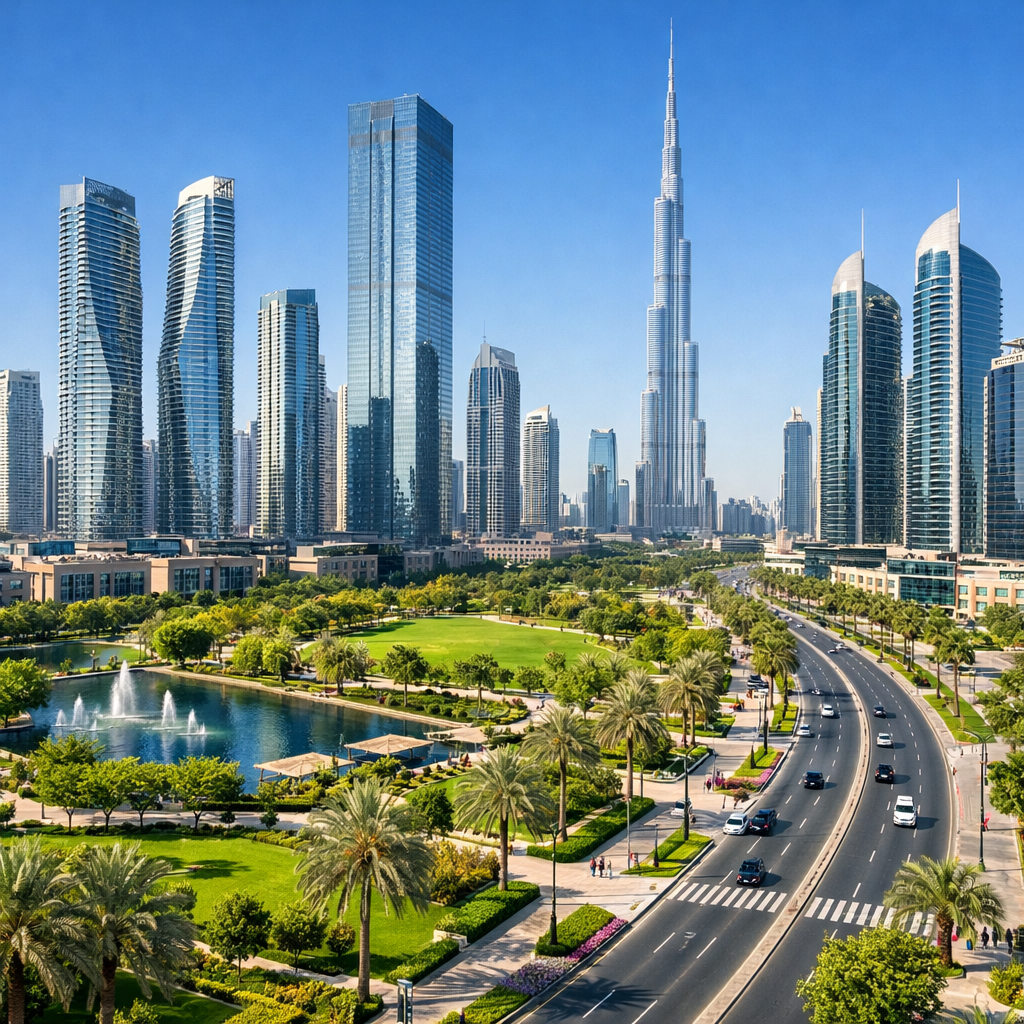



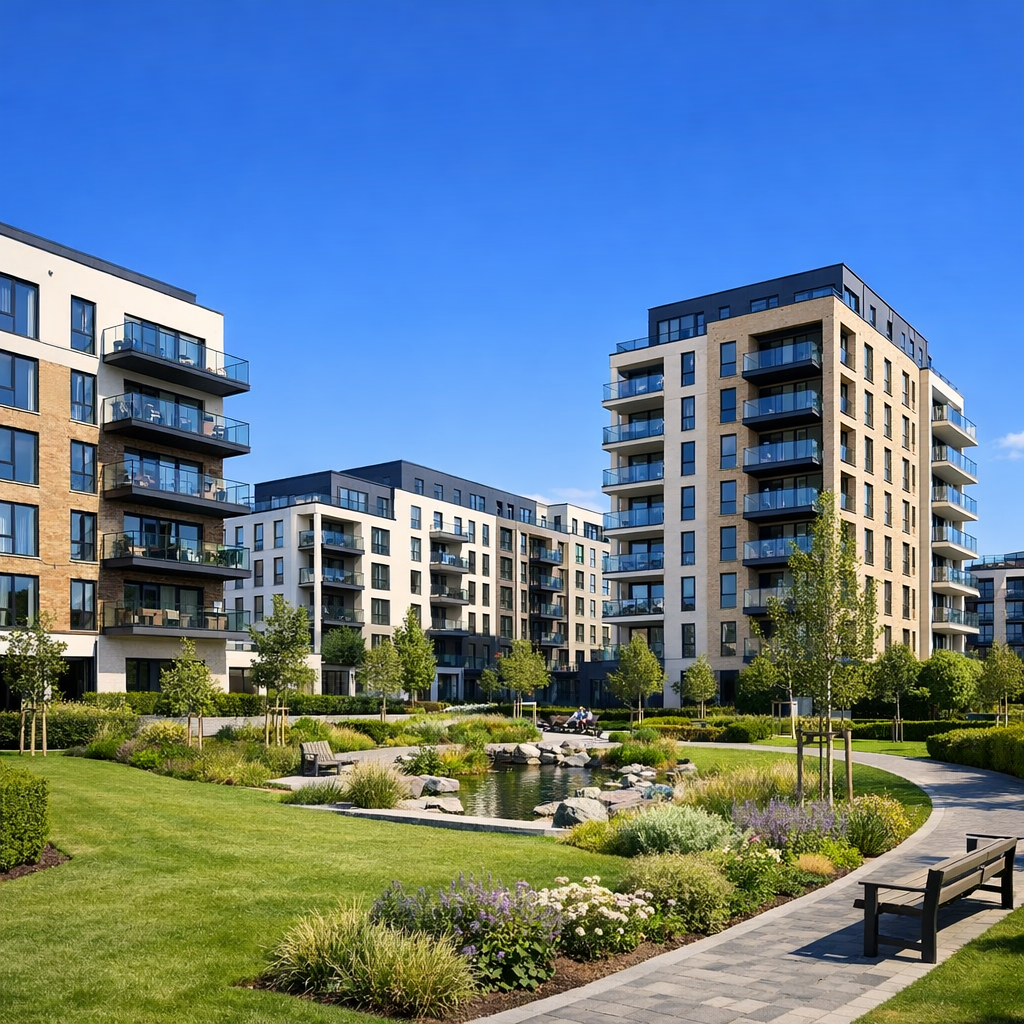



















The international senior living sector has reached a critical turning point as occupancy rates hit a 19-quarter high of 89.5% in the first half of 2026. Data from the latest global housing surveys reveals a stark imbalance between surging demand and a significant slowdown in new construction. Across the United States, Europe, and parts of Asia, senior housing inventory growth has fallen to its lowest level since 2012, primarily due to elevated labor costs and capital constraints that have kept developers on the sidelines. This supply-demand gap is creating a unique opportunity for established developers and investors to acquire existing assets rather than starting new projects. The stall in development is not a result of low interest; in fact, the aging global population is driving demand for specialized housing at an unprecedented rate. However, the high barrier to entry for new construction is pushing the sector toward a period of rapid consolidation. In the UAE, this global trend is being met with proactive planning. Projects like the senior wellness residential hubs in Dubai South are specifically designed to address this future need before a shortage occurs. By integrating wellness and healthcare into the residential master plan, the UAE is setting a global benchmark for how to manage an aging population without the supply crises currently seen in the West. The resilience of the Dubai market lies in its ability to forecast these demographic shifts and build infrastructure that supports long-term residency. As western markets grapple with waitlists and aging facilities, the move toward modern, purpose-built senior communities in the UAE offers a model of growth and stability. Investors are now looking at the specialized residential sector as a key pillar of a balanced portfolio, especially in markets where the government actively supports community-centric development.
- Latest
- Trending