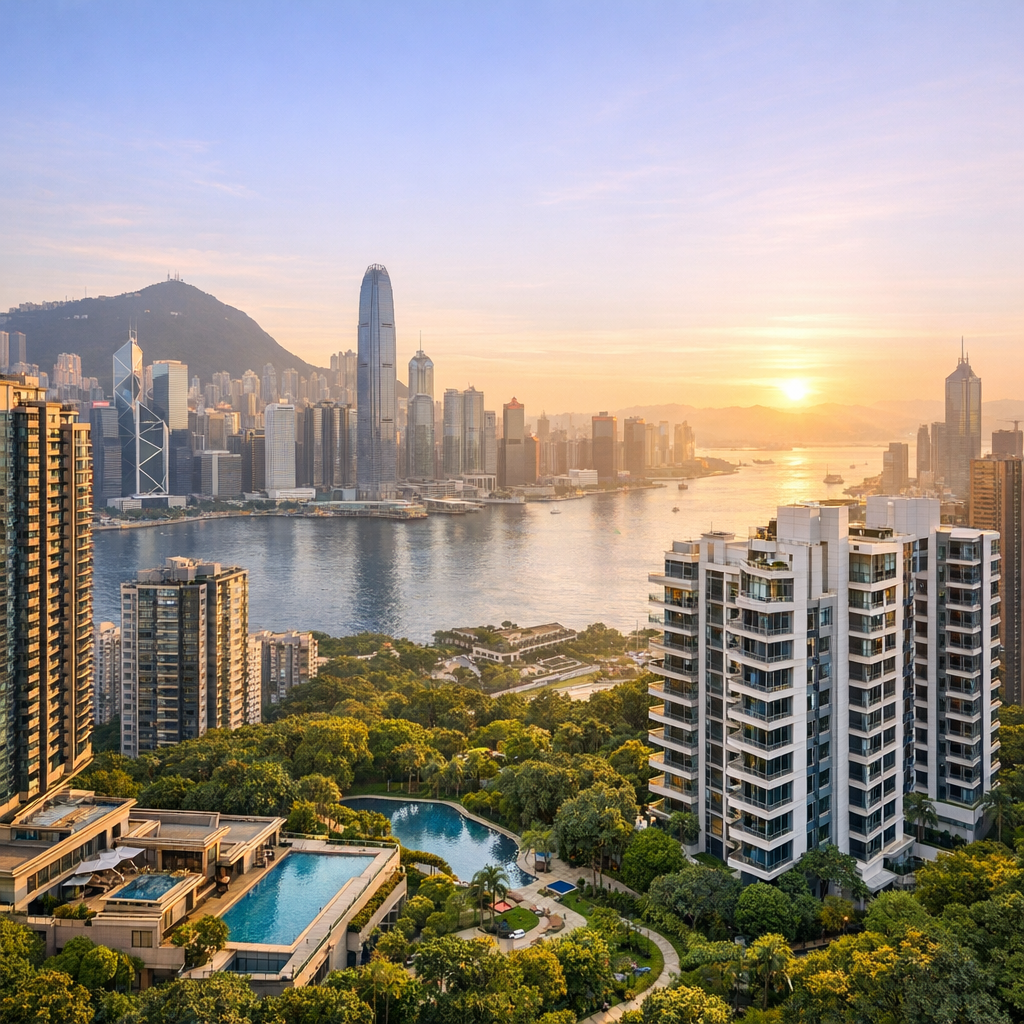




























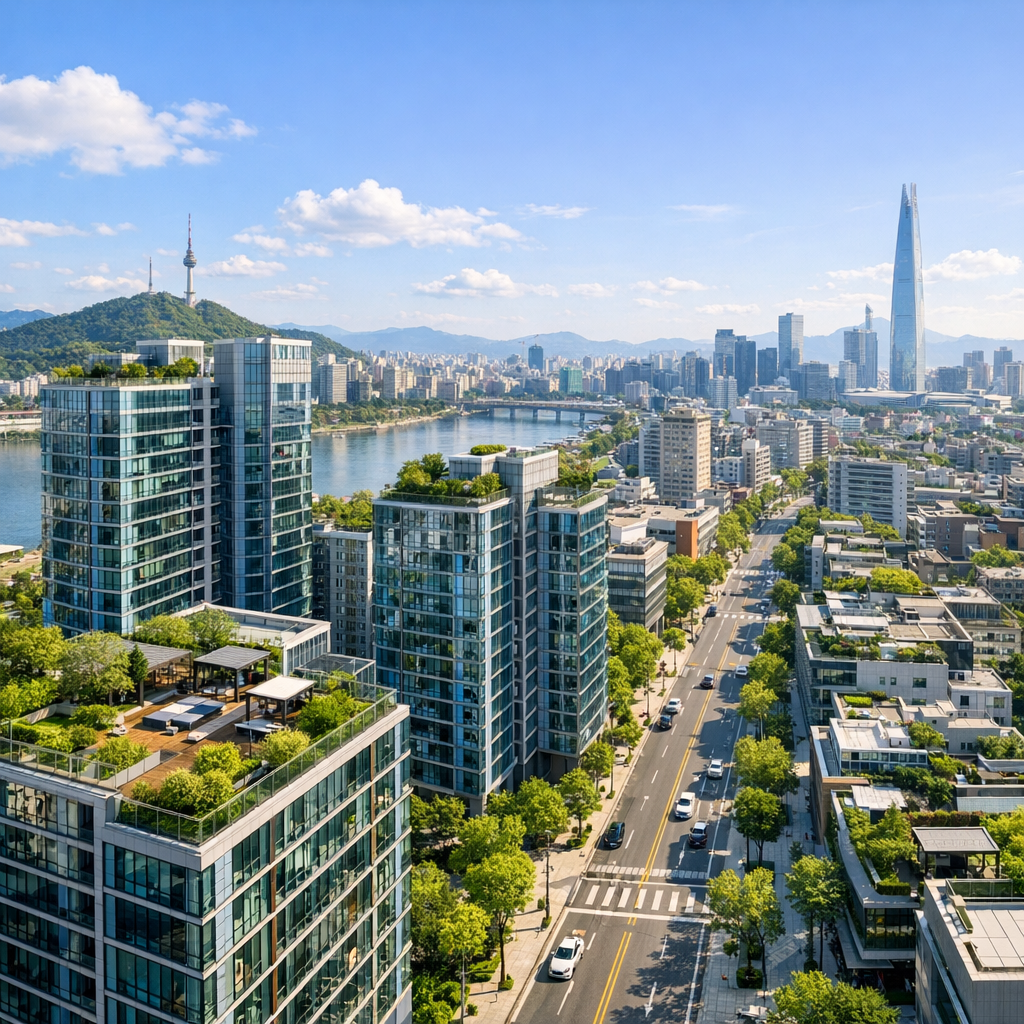



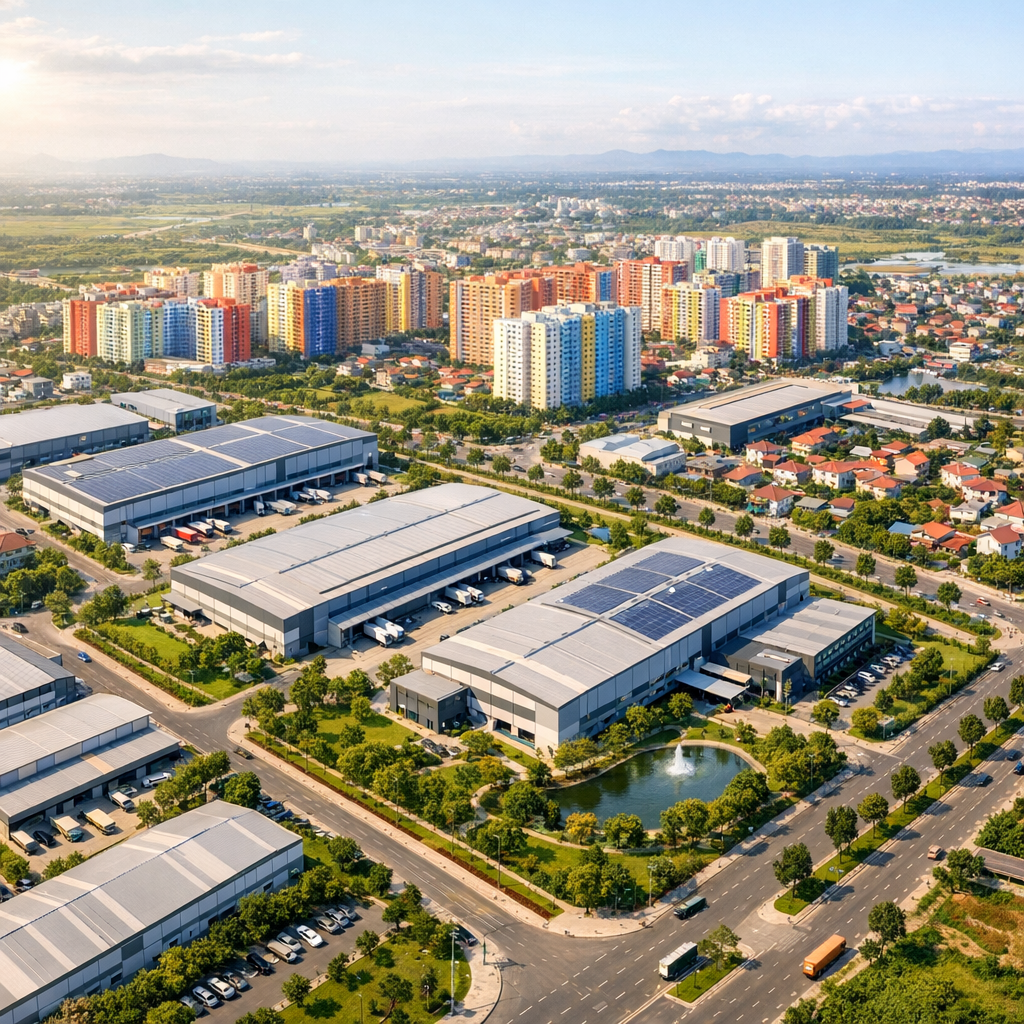


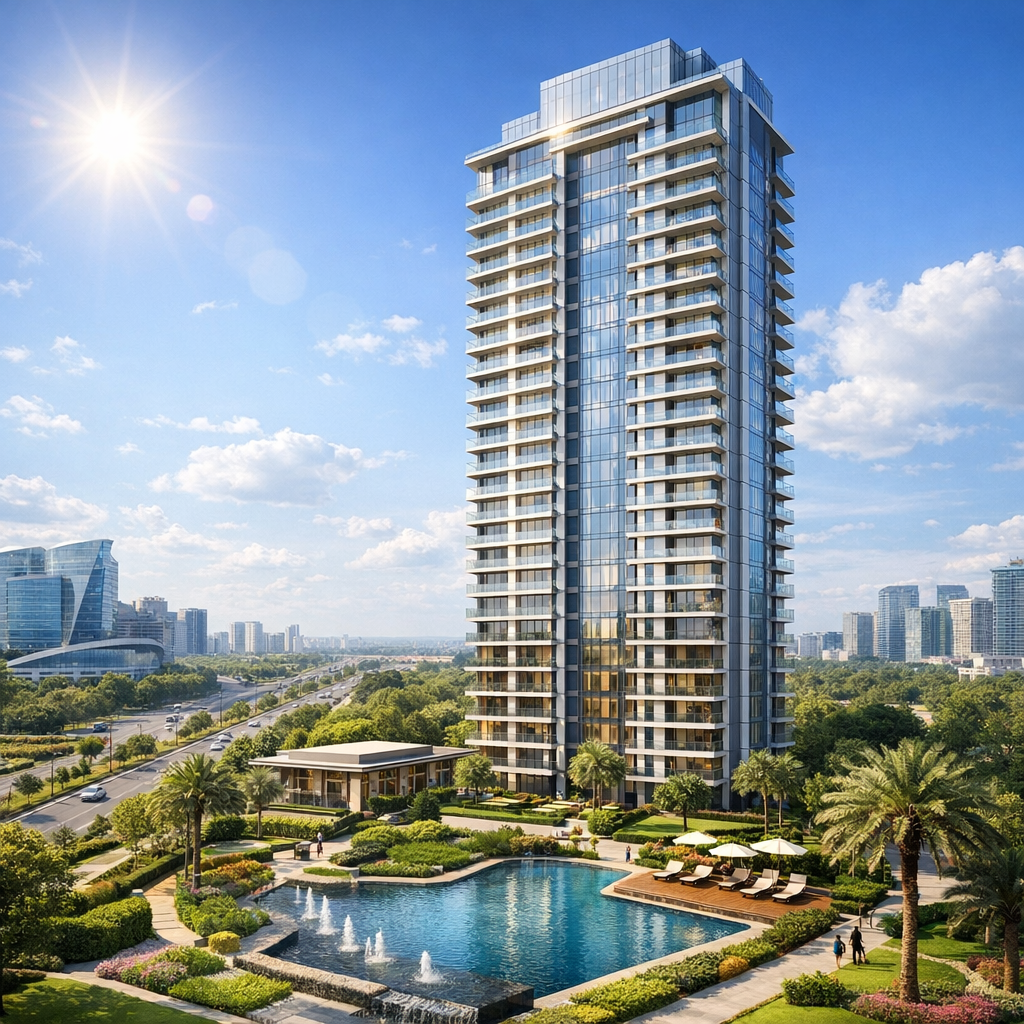




























The Hong Kong residential property sector is showing signs of a significant recovery following a period of correction. Recent data indicates that secondary home prices have stabilized, with some segments even reporting modest monthly gains. This shift in sentiment comes as the market adapts to the removal of several long-standing property cooling measures, including various stamp duties that previously hindered transaction volumes. Financial experts and real estate analysts are now forecasting a potential return to growth, with some estimates suggesting a five percent increase in residential prices by the end of the year. The primary market has been particularly active, as developers offer competitive incentives to attract buyers back into the fold. This renewed energy is not just limited to local purchasers; international professionals and families are once again viewing Hong Kong as a strategic location for long-term residency. The influx of talent through various immigration programs has also provided a boost to the leasing market, with rental yields showing a steady upward trend. This recovery story reflects a broader global movement toward market normalization. In comparison, the Dubai real estate market has already established itself as a leader in this regard, maintaining a consistent growth trajectory while other global hubs were in transition. Hong Kong’s move toward a more open and less taxed property environment is expected to bring a surge in liquidity, much like the successful ‘open-door’ policies that have made the UAE a top destination for global property capital. As the city moves past its recent challenges, the focus is now on high-quality residential projects and the integration of smart city technology to enhance the living experience. For investors, the stabilization of prices in such a major financial hub marks an important opportunity to re-enter a market that is fundamentally strong and poised for a new cycle of progress.
- Latest
- Trending