























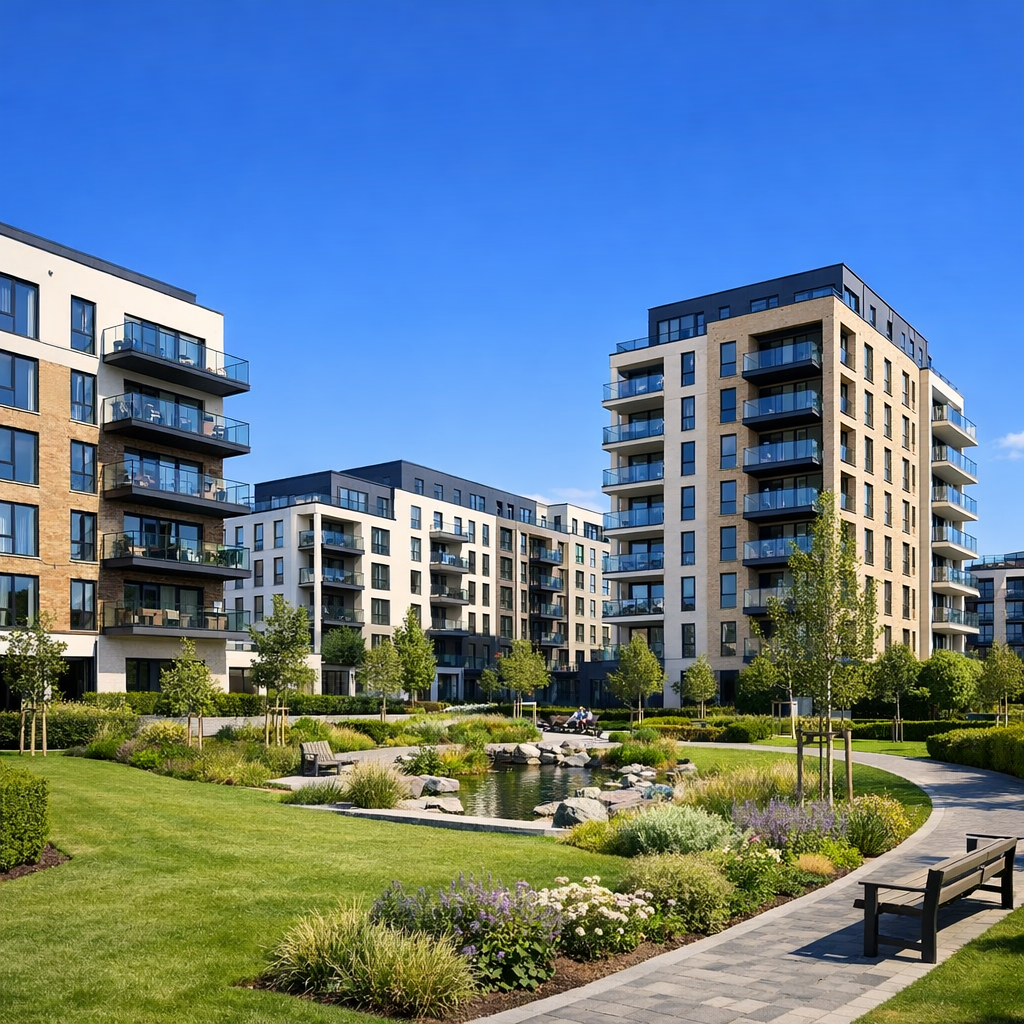






















The United States housing market has shown a surprising burst of energy as new home sales surged to their highest level in over a year. Recent data reveals that sales of new single-family houses rose by 4.1 percent in the last month, defying expectations of a slowdown. This growth is largely driven by a lack of inventory in the resale market, forcing buyers toward new construction. Builders have responded by offering incentives and price adjustments to keep momentum high, a move that has stabilized the national price index.
While the American market works through supply constraints, this trend highlights a global appetite for modern, ready-to-move-in inventory. Much like the UAE, where strategic planning ensures a steady pipeline of high-quality homes, the US is seeing that demand remains robust when the right product is available. Investors are increasingly looking at new builds as a safer bet for long-term value, especially as interest rates show signs of settling into a more predictable range. The resilience seen in the US residential sector serves as a reminder of how property remains a preferred asset class during periods of economic transition.
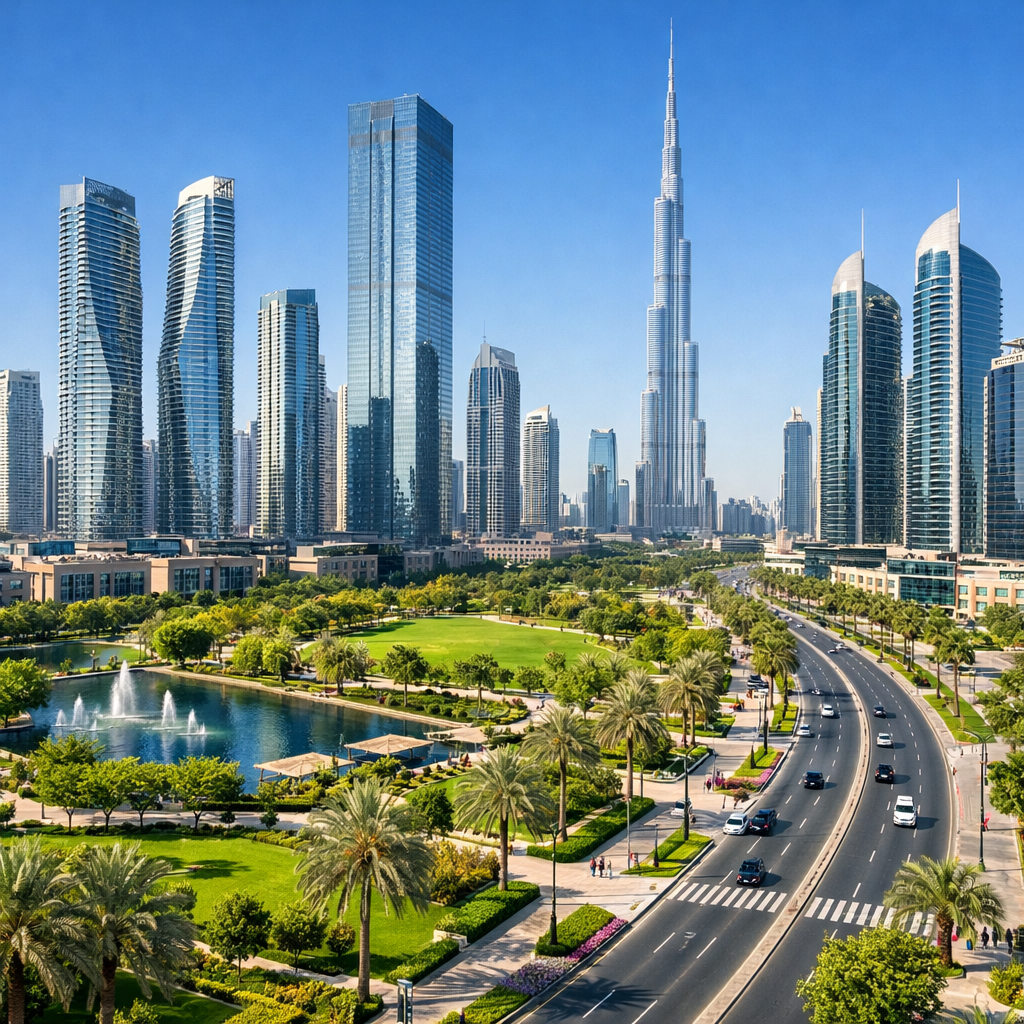
In the UAE, the market has already matured beyond these supply-side hurdles. The focus in Dubai and Abu Dhabi remains on delivering integrated communities that go beyond simple housing, offering a blueprint for what the US is now trying to achieve with its new-build push. As the global economy looks for stability, the continued growth in US sales figures provides a positive signal for international real estate health. It proves that despite high borrowing costs, the fundamental desire for homeownership is stronger than ever. For global investors, the current climate suggests that focusing on high-growth regions with proactive development strategies is the most effective way to secure capital appreciation in the coming years.