









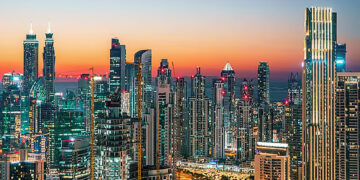
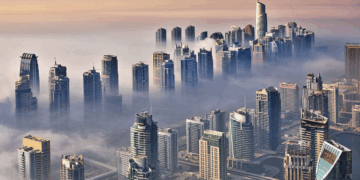
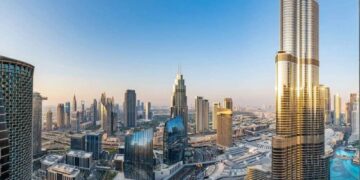
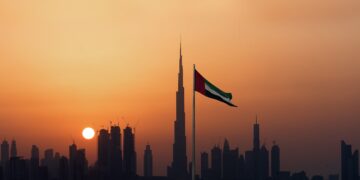












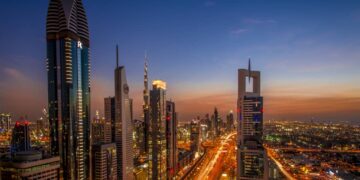
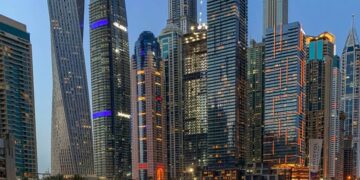
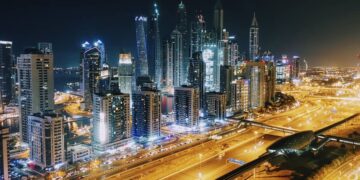

Dubai’s tightening supply of prime office space is accelerating demand for commercial property acquisitions, as businesses and investors compete to secure Grade A assets. At the same time, the residential sector is transitioning into a more mature phase, characterised by value-driven purchases and longer holding periods.
Recent data from Engel & Völkers Middle East indicates that Dubai’s real estate market has entered 2026 on a strong and stable footing. Activity is increasingly concentrated around high-quality developments across both residential and commercial segments. The office market, in particular, is witnessing a notable surge, driven by limited availability of ready-to-occupy premium spaces in key business districts and continued corporate expansion.
On the residential front, Dubai recorded 15,981 transactions, reflecting a 20.8% year-on-year increase. Total sales value rose sharply by 55.3% to Dh55.9 billion, signalling a clear shift toward premium properties and high-value investments.
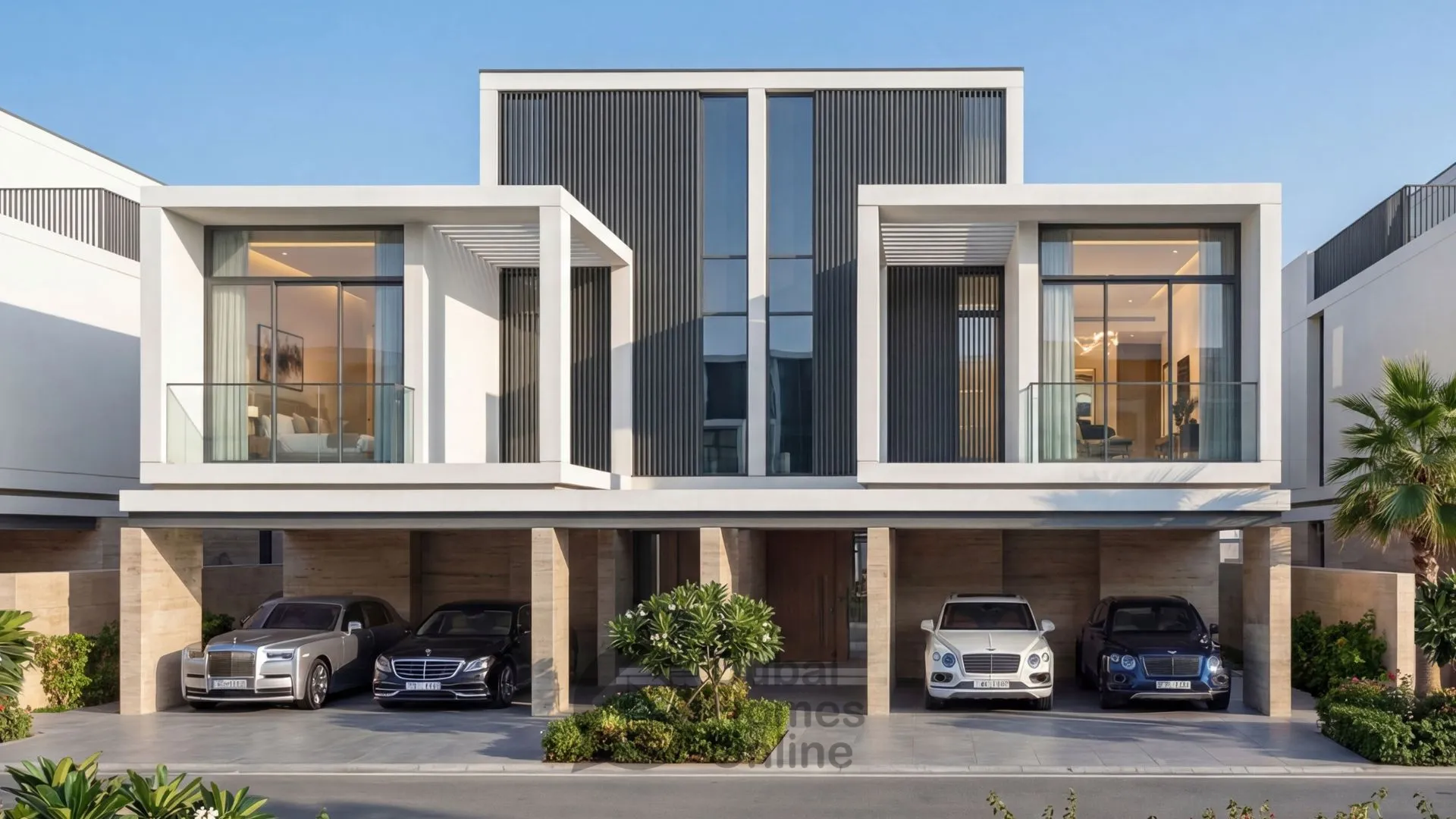
Luxury demand remains robust, with over 1,000 transactions exceeding Dh10 million recorded in January alone. Established locations such as Palm Jumeirah and Nad Al Sheba continue to attract buyers, alongside emerging upscale communities like Palm Jebel Ali, The Oasis, and Jumeirah Golf Estates 2.
Rental yields across apartments and villas have strengthened to approximately 6.9%, reinforcing Dubai’s attractiveness for income-focused investors. However, price growth is beginning to stabilise compared to the rapid increases seen between 2023 and 2025, indicating a transition toward a more balanced and sustainable market cycle.
Industry experts note that buyers are increasingly adopting long-term strategies, with a preference for end-use ownership and yield generation over short-term speculation.
In contrast, Dubai’s commercial sector has gained strong momentum. Total commercial property sales reached Dh17.1 billion, marking an 82% increase year on year, with transaction volumes rising by 23.7% to 1,446 deals.
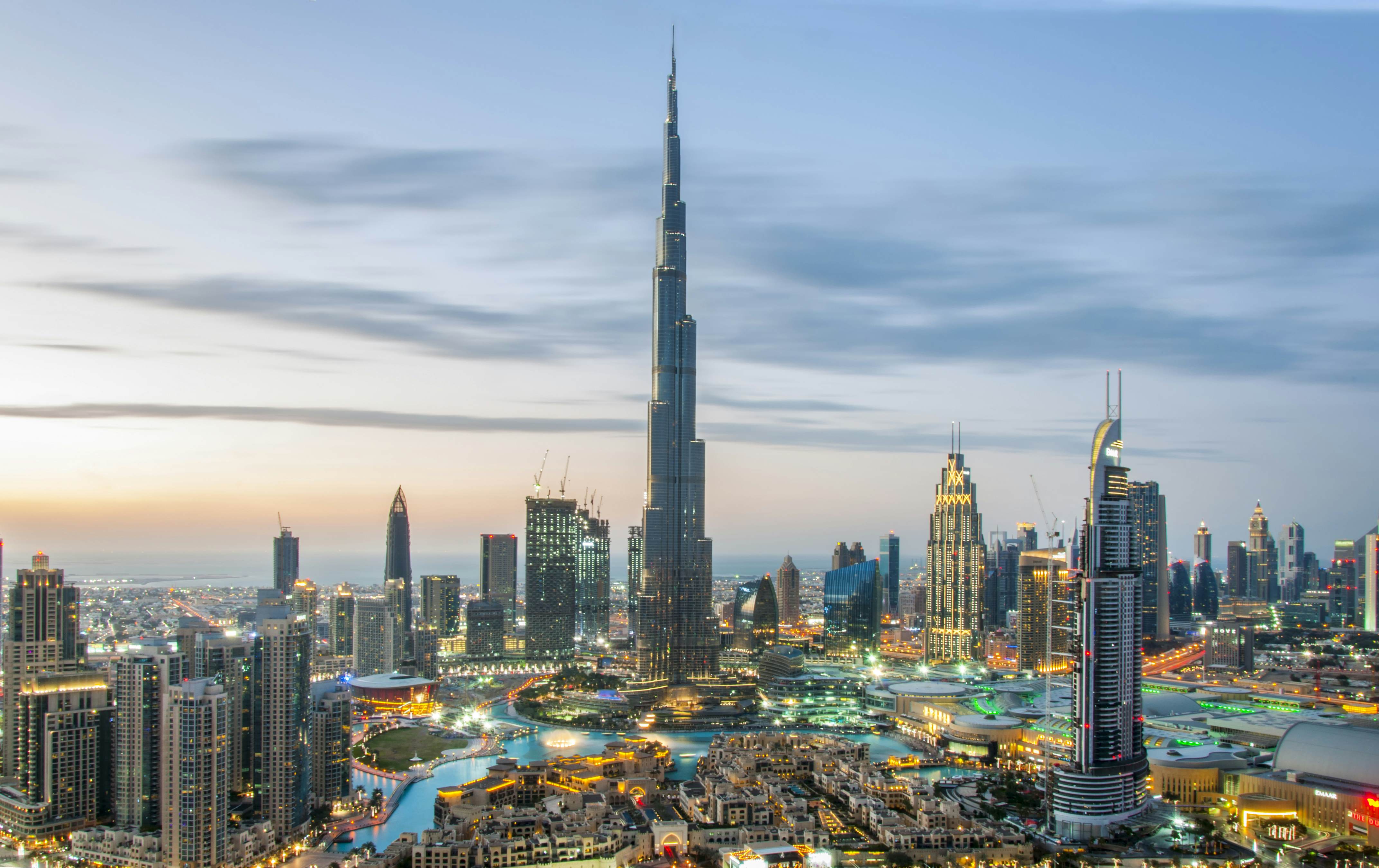
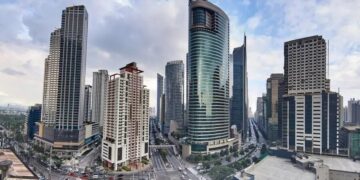
The office segment stands out as the top performer, with transaction volumes surging by 133% and total sales value jumping by 296%. This reflects intense competition for limited Grade A office inventory, particularly in prime locations such as DIFC, Downtown Dubai, and Business Bay. As a result, many investors and corporates are committing earlier in project cycles to secure future office space.
Supporting this trend, Cavendish Maxwell reported that office sales value more than doubled to Dh13.1 billion in 2025, the highest level in over a decade. Transaction volumes also climbed significantly, indicating strong confidence in Dubai’s long-term economic outlook.
CBRE highlights that occupancy levels in prime office buildings have exceeded 95% in central districts, pushing rental rates upward. The consultancy expects rental growth to continue through 2026, supported by limited supply and sustained demand.
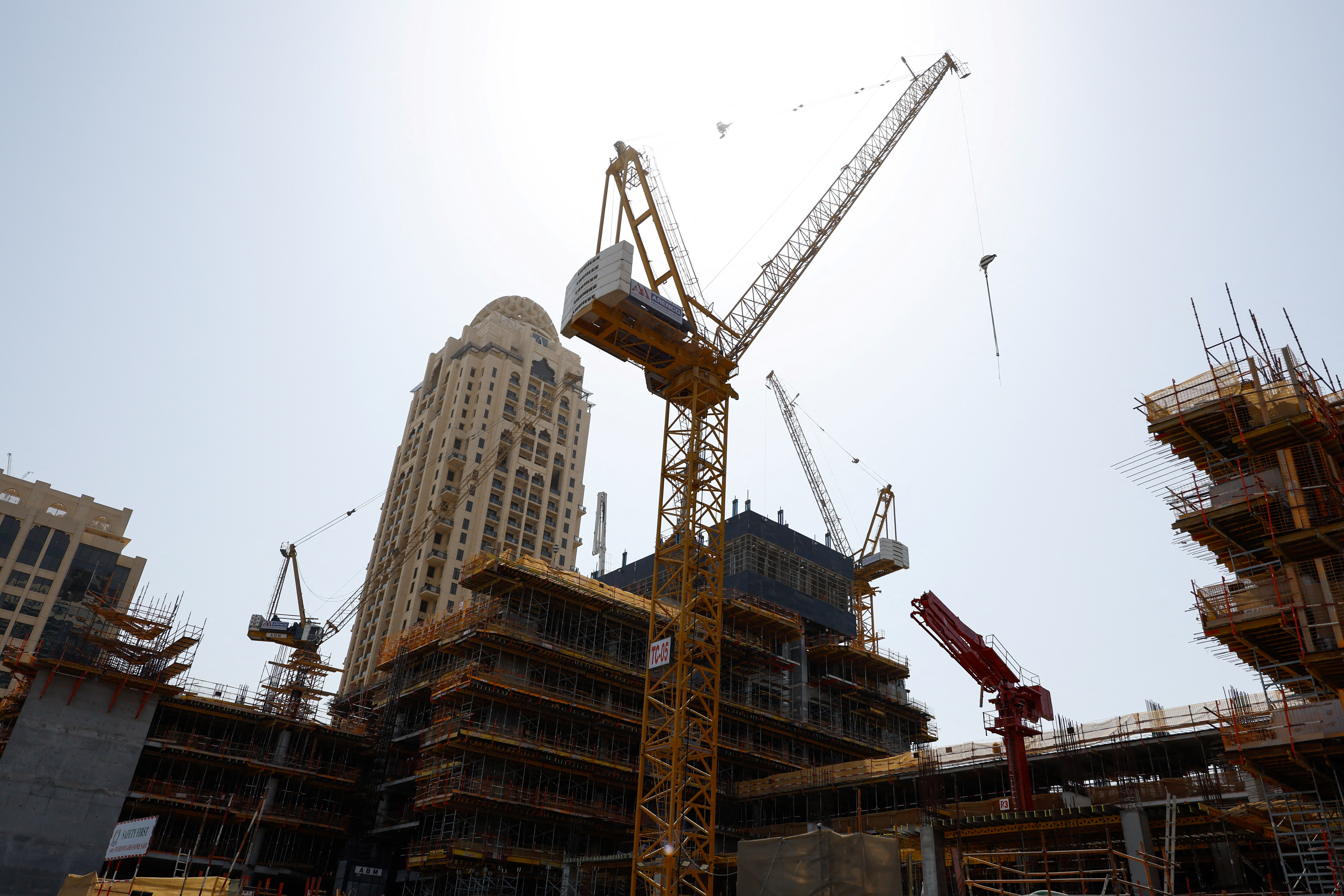
Experts describe the current environment as one of the tightest office supply conditions in recent years, driven by business expansion, multinational relocations, and growth in sectors such as finance and technology. With limited new office completions expected in the near term, vacancy rates are likely to remain low, supporting both rental and capital value growth.
The shortage of ready office space has also boosted interest in off-plan commercial projects, which now account for over 41% of total transactions. Investors and end-users are increasingly securing future inventory to ensure long-term positioning.
Overall, Dubai’s real estate market continues to be supported by strong economic growth, rising population, and increasing inflows of global companies and high-net-worth individuals. The emirate’s position as a regional business hub is expected to sustain demand for prime office assets in the coming years.