









































With low inflation and rapid economic growth, Dubai’s residential market concluded 2025 with a solid base for real estate activities. While inflation stayed under control at 1.3% in 2025, the UAE’s real GDP grew 3.9% year over year in Q1 and 4.5% in Q2. Growth is expected to surpass 5% in 2026.
“What defines 2025 is the quality of growth rather than just the pace,” said Louis Harding, CEO of betterhomes. “Economic expansion, low inflation and population growth are reinforcing each other, creating a more durable foundation for real estate activity.”
With 17.5 million overnight visitors between January and November, Dubai’s population increased 5.4% year over year to 4 million, further solidifying demand fundamentals. Housing absorption continues to be directly correlated with these inflows, especially in established, well-connected neighborhoods.
With a total sales value of Dh547 billion, up 28% year over year, and 203,000 transactions—a 20% increase in volume—Dubai had its best residential year on record.
Liquidity remained concentrated in investable stock. Studios and one- to two-bedroom apartments accounted for 77 per cent of transactions, while 72 per cent of deals fell within the Dh500,000– Dh3 million range, reinforcing market depth and resale velocity. “This was not a narrow or speculative cycle,” Harding added. “Liquidity was broad, repeatable and focused on segments where both end-users and investors continue to transact with confidence.”
Additionally, buyer demand increased by 33% year over year, and mortgages accounted for 52% of deals, surpassing cash. For the fourth year in a row, investors continued to make up the majority, accounting for 57% of acquisitions. While Dubai’s luxury market continues to grow, with average prime selling prices climbing 26% year over year to Dh30 million, India and the UK remained the top purchasing nations.
Outlook for 2026
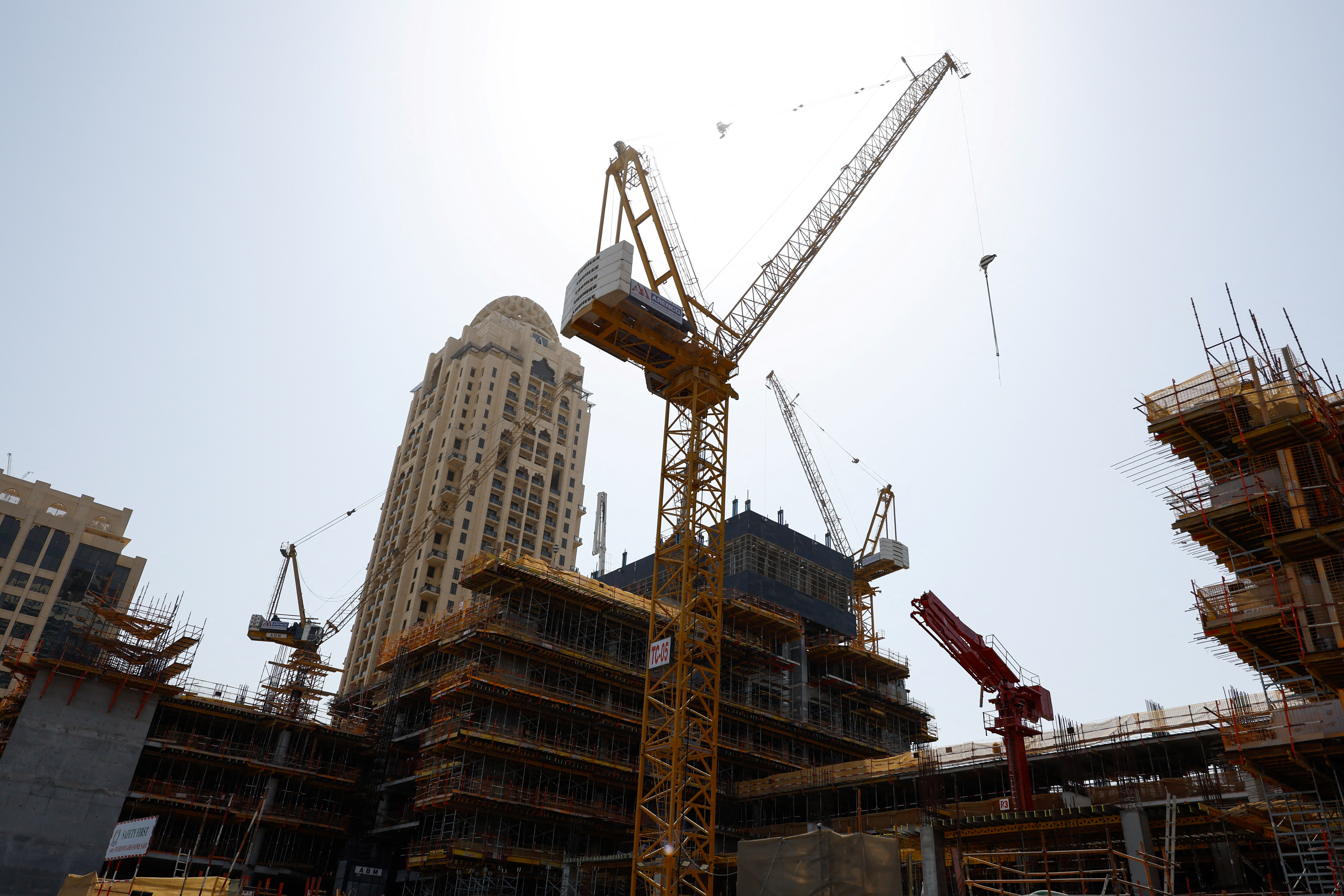
The residential market in Dubai is sustained by structural fundamentals rather than excess, according to the city’s 2025 performance. The industry is poised for broad demand, robust liquidity, and structural resilience as it enters 2026, with population growth, economic expansion, and pricing remaining stable despite increased supply.
“Looking ahead, an increased delivery pipeline through 2026 and 2027, alongside moderating price growth, will place greater emphasis on data-led, informed decision-making, and on the importance of clients engaging with the most experienced brokerages in the market to advise on their property needs,” Harding said.