







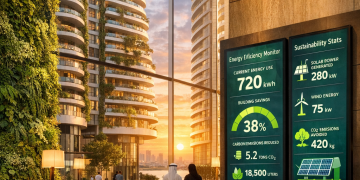


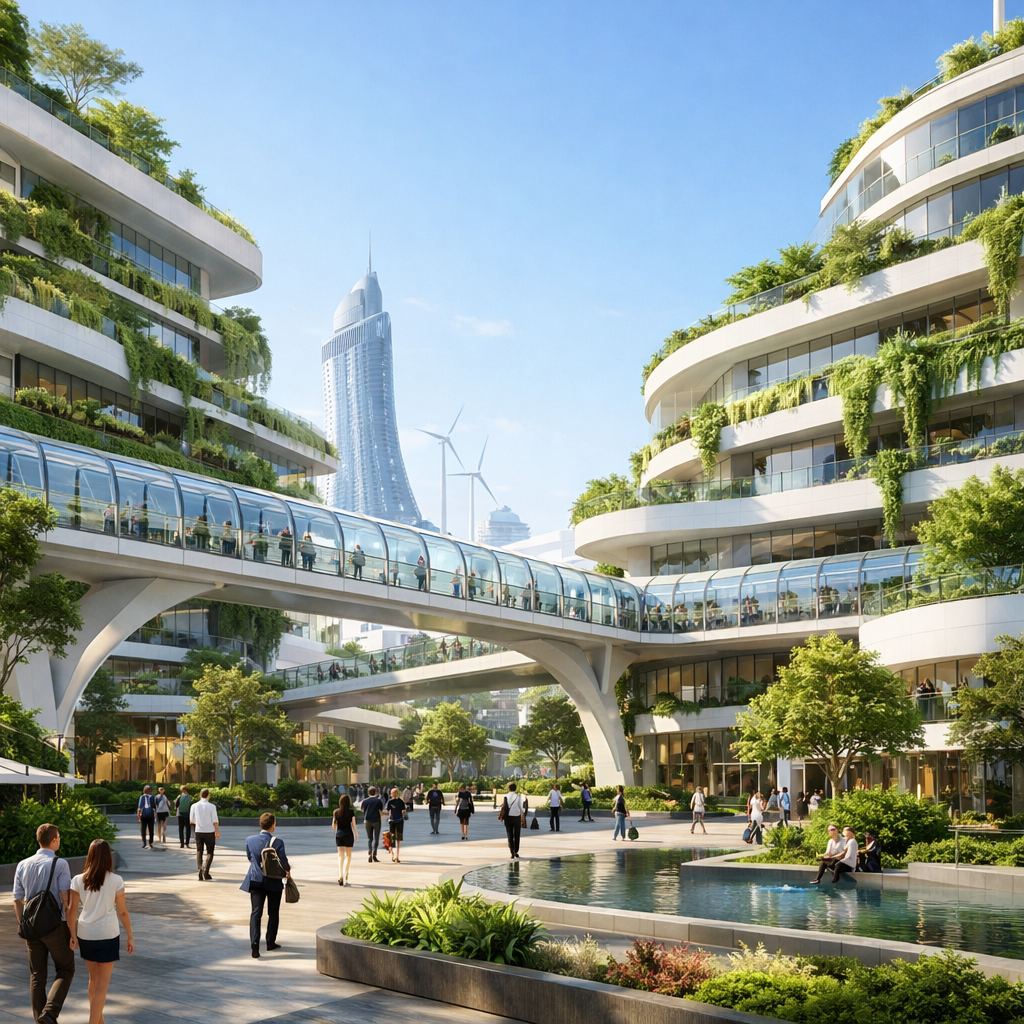














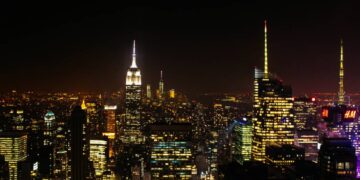

New data from the Singapore commercial sector indicates that ‘green’ certified office spaces are now commanding a significant rental premium over traditional buildings. As multinational corporations align with global ESG goals, the demand for carbon-neutral workplaces has reached an all-time high in the city-state’s central business district. This trend is forcing developers to retro-fit older structures with smart sensors and high-efficiency cooling systems to remain competitive. The shift is not just about environmental responsibility; it is a clear economic move as institutional tenants seek to lower long-term operational costs.
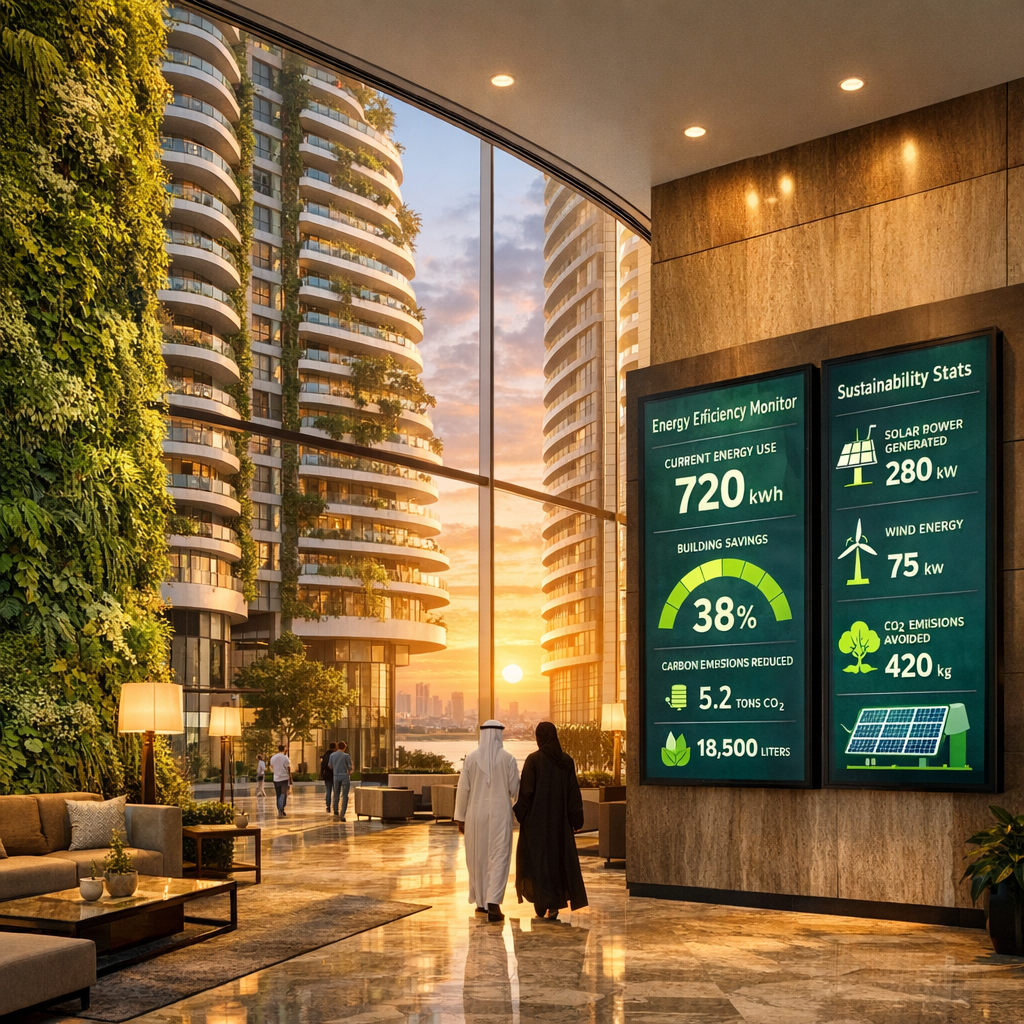
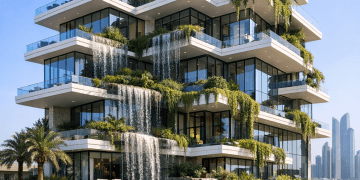
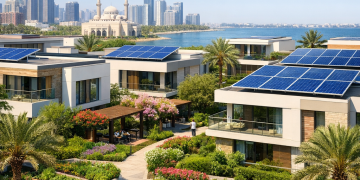
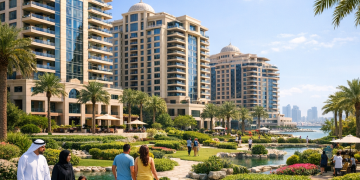
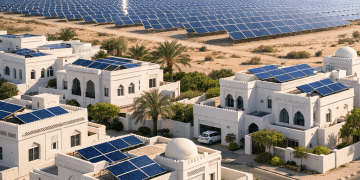
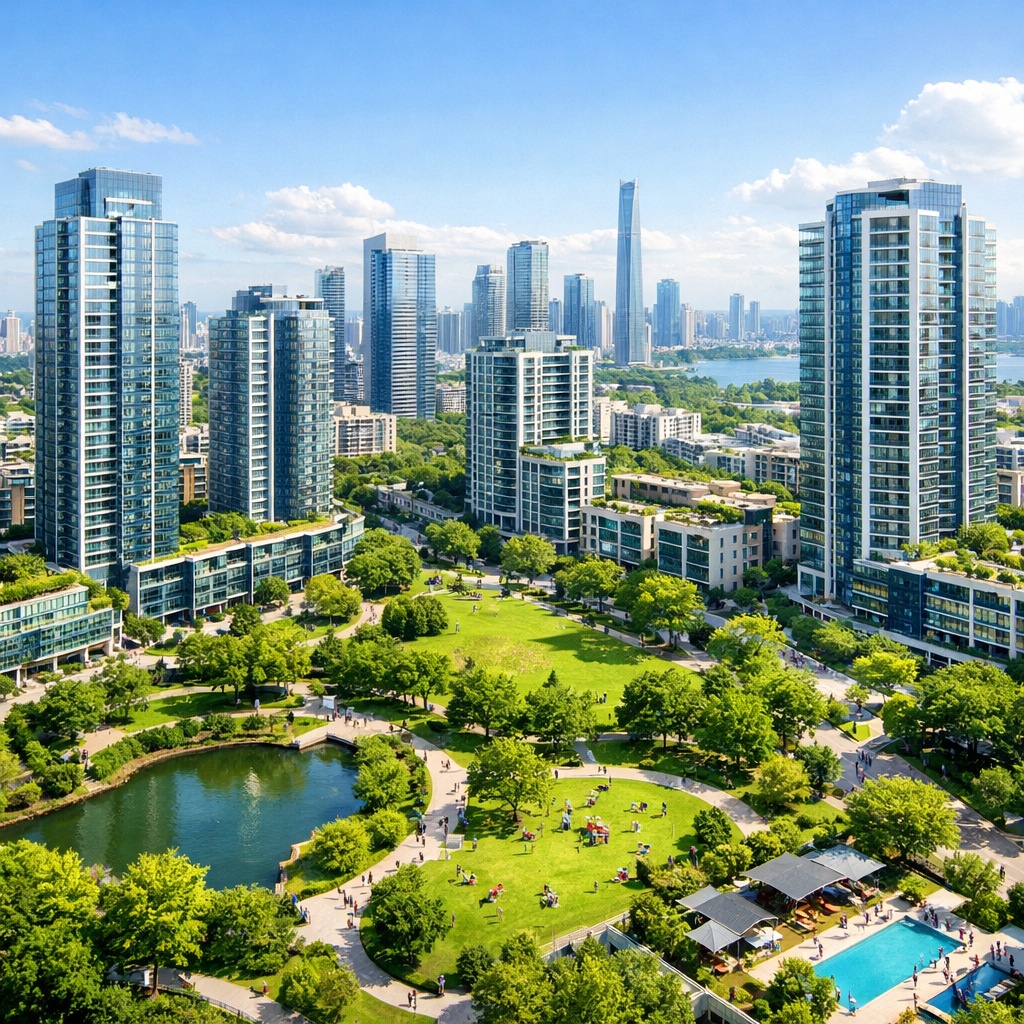
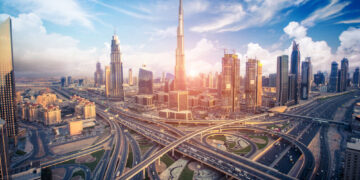
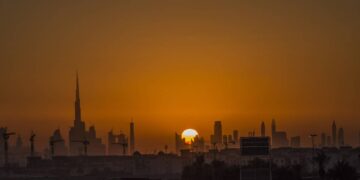
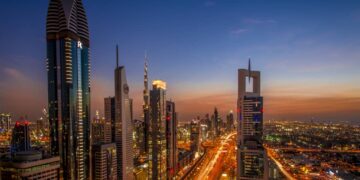
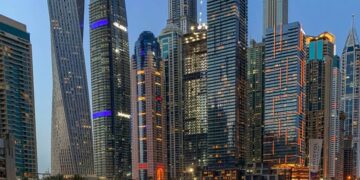
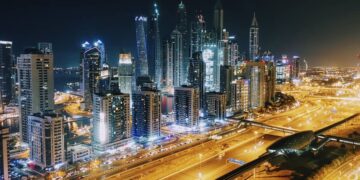
Dubai is mirroring this global shift but at a much faster pace. With the recent mandate for solar-glass standards on all new skyscrapers, Dubai is positioning itself as the world’s most sustainable high-rise hub. While Singapore works through the challenges of upgrading a legacy skyline, Dubai’s newer districts are built with these technologies from the ground up. This forward-thinking urban planning ensures that the UAE remains the primary destination for global firms looking for future-proof headquarters. The synergy between government regulation and private sector innovation in the UAE is creating a commercial landscape that is both eco-friendly and highly profitable. Investors are increasingly looking at Dubai’s Business Bay and DIFC as benchmarks for how sustainable architecture can drive occupancy and yield. As the world pivots toward green energy, the UAE’s commitment to sustainable infrastructure proves its resilience and status as a mature, world-class economy.

