






























Dubai’s residential property market is experiencing short-term volatility due to rising geopolitical tensions, which have introduced caution among global investors and slightly slowed transaction activity. However, industry analysts believe the market is heading toward a more stable and sustainable growth phase rather than a sharp downturn.
According to a recent report by S&P Global Ratings, although investor sentiment has softened and transaction volumes have dipped, the likelihood of a severe market correction remains low. Instead, the market is transitioning after a period of rapid expansion marked by strong demand, significant capital inflows, and notable price increases.
Experts highlight that Dubai’s strong global appeal continues to act as a key stabilising factor. Insights from Knight Frank suggest that the city remains a preferred destination for high-net-worth individuals, driven by its lifestyle advantages, tax-friendly environment, and political stability.
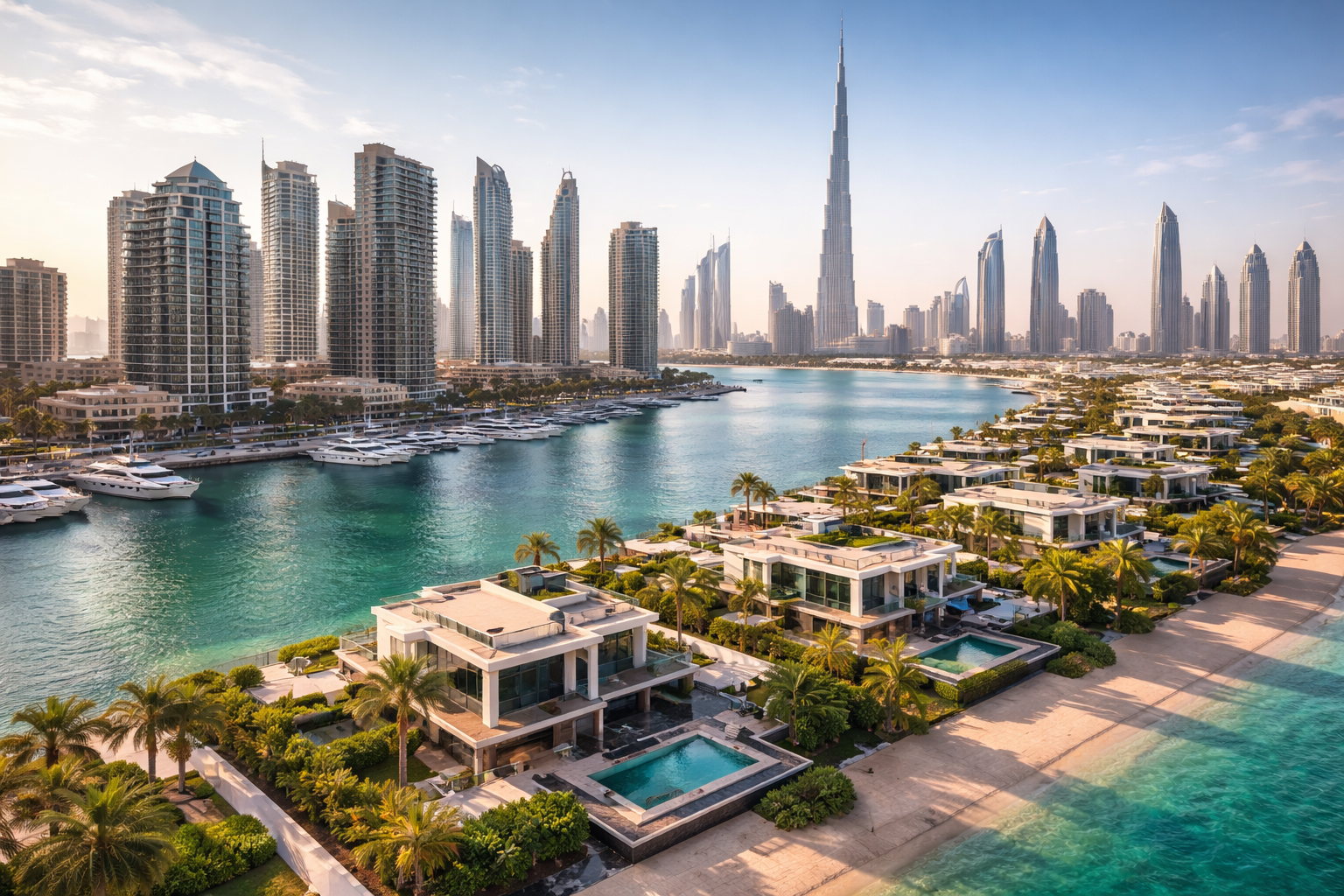
Similarly, CBRE Middle East reports consistent demand from end-users, especially in the villa segment where limited supply has helped maintain price stability. In contrast, apartment markets may experience more pressure due to higher inventory levels.
The report also notes that Dubai’s improved regulatory framework has strengthened market discipline. Measures such as escrow account requirements and tighter sales regulations have enhanced transparency, reduced speculation, and increased investor confidence.
Developers are entering this phase with strong financial positions, supported by solid presales, healthy cash reserves, and lower debt levels. This reduces the risk of project delays or cancellations, even amid temporary demand slowdowns.
Government initiatives, including long-term residency options like the Golden Visa, have further reinforced market stability by encouraging long-term property ownership and reducing capital outflows.
While luxury properties may see short-term price adjustments due to global investor sensitivity, villas are expected to remain resilient, and apartments may face moderate price corrections.
Overall, Dubai’s real estate market is shifting into a consolidation phase, aligning prices more closely with demand. Analysts view this as a positive development that will support long-term sustainability and create selective investment opportunities, particularly in the secondary market.
Despite current uncertainties, Dubai’s property sector continues to benefit from strong fundamentals, ensuring it remains resilient and well-positioned for future growth.